Water Damage Restoration for San Gabriel Homes
In San Gabriel, from Country Club East houses to Valley Boulevard storefronts, crews pull standing water, open wet walls and dry the structure with daily readings before a small leak becomes a bigger loss.
(888) 578-6508Tell a crew where the water is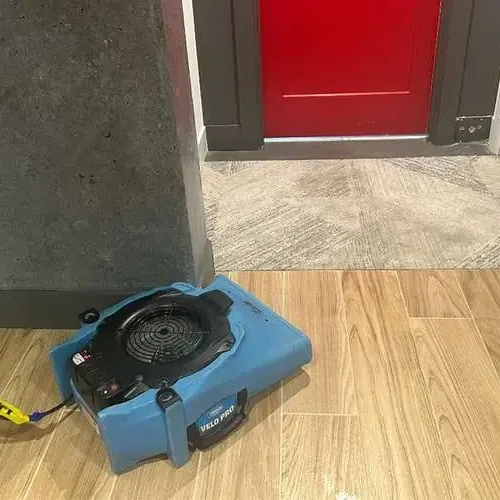
Four moves that limit the damage
- 1
Stop the source. Close the fixture stop or the main water valve. In a building with several units, tell the neighbors below so they can check their ceilings.
- 2
Keep power away from water. Leave wet outlets and appliances unplugged, and stay out of rooms where water reaches sockets. Sewage water should never be handled by hand.
- 3
Photograph everything. Take wide and close photos of the wet floors, walls and belongings before anything is moved, and note when the leak started and what failed.
- 4
Call for drying. Give the crew the damage type and the rooms affected. Lift small rugs and move furniture off wet carpet while waiting.
Water problems handled across town
Each service page explains how the crew handles that kind of water loss.
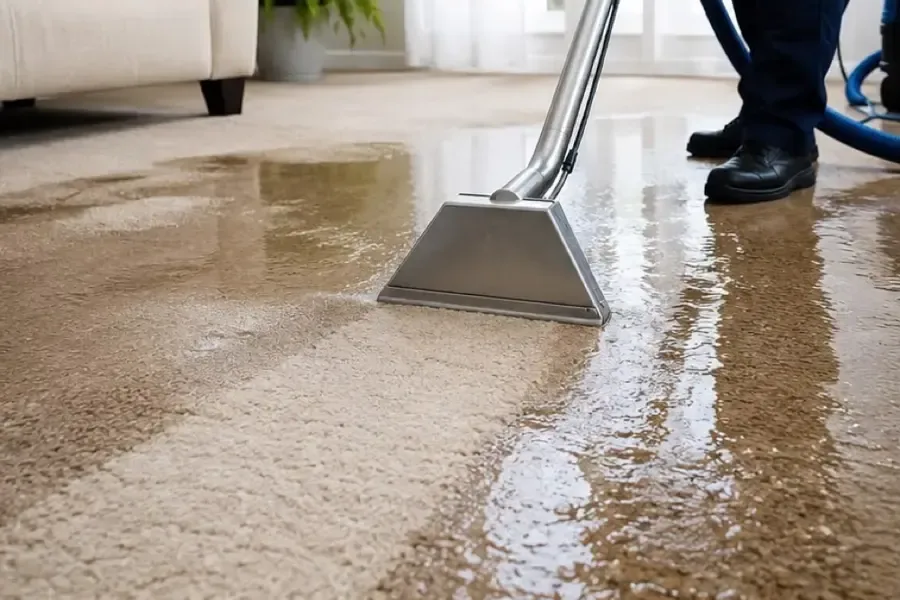 01Water Extraction and RemovalTruck-mounted and portable extractors pull standing water from floors and carpet before it reaches neighboring units.See the service
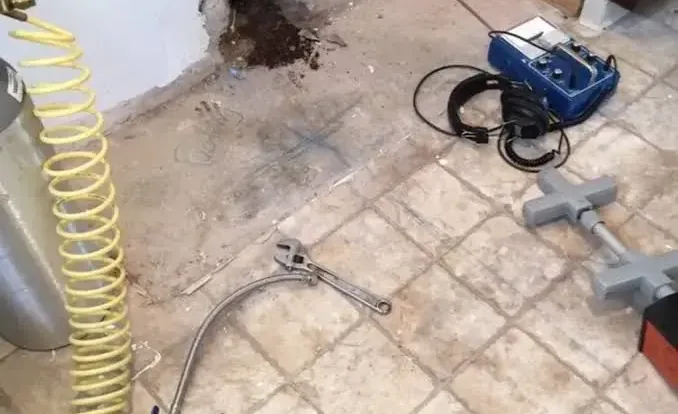 02Slab Leak Water DamageWhere a home has a slab, the leak is traced and wet flooring and concrete are dried.See the service
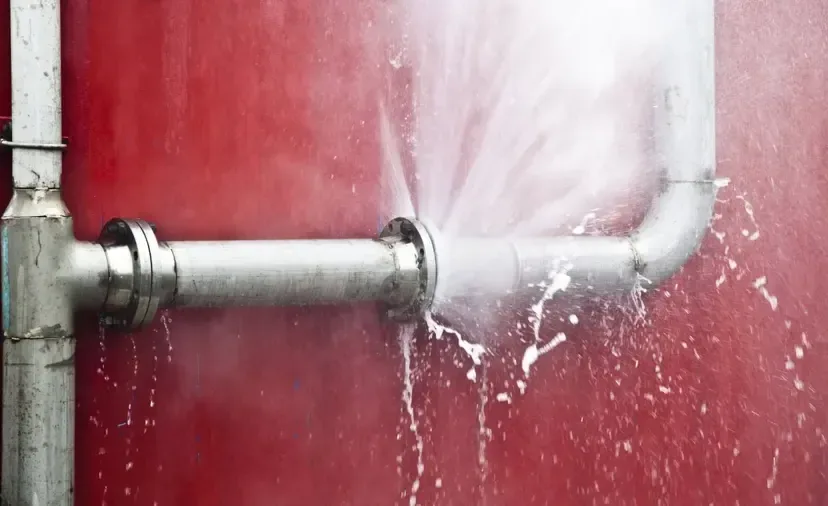 03Burst and Pinhole Pipe LeaksA split or pinhole pipe inside a wall is found, then the wet cavity is opened and dried.See the service
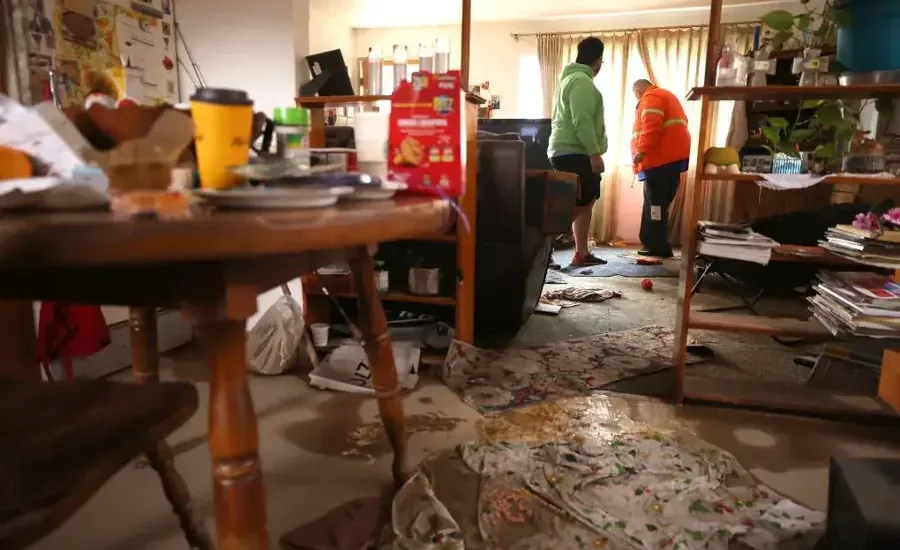 04Storm and Street Flooding CleanupRain runoff that reaches a garage or ground floor is treated as contaminated, then extracted, cleaned and dried.See the service
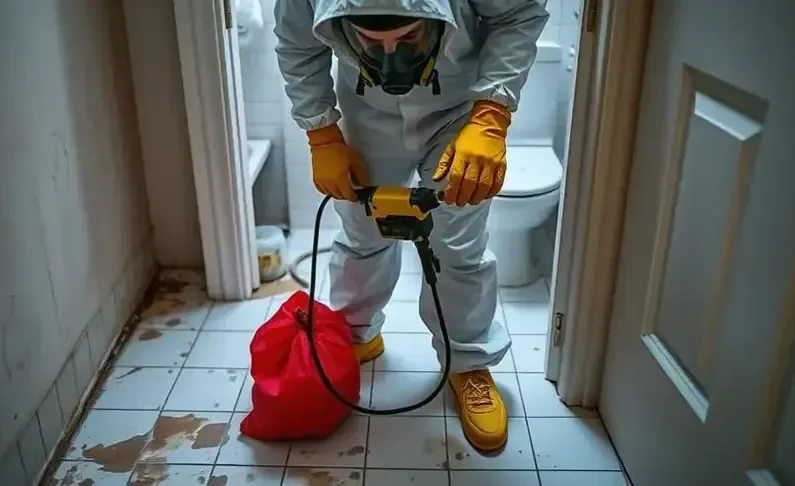 05Sewage Backup CleanupA backup is contained, removed and cleaned with protective gear, and the affected materials are treated and dried.See the service
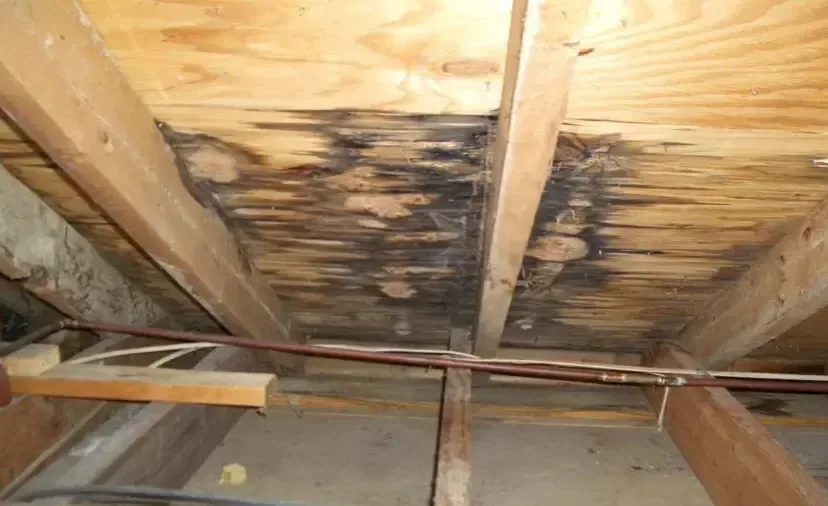 06Roof Leak Water DamageWinter rain finds weak spots in a roof, so wet insulation and ceilings are dried or opened up.See the service
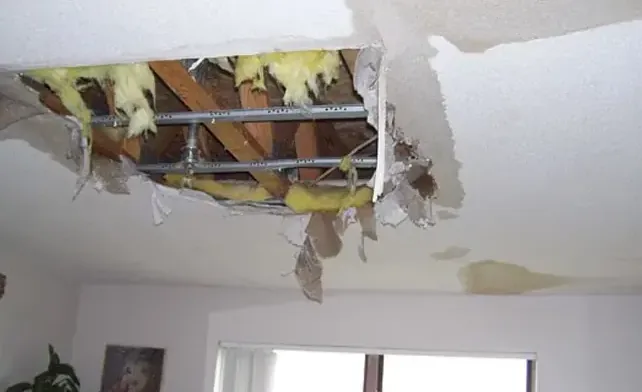 07Ceiling Leak Water DamageA stained or sagging ceiling is traced to its source, and the joist bays above it are dried.See the service
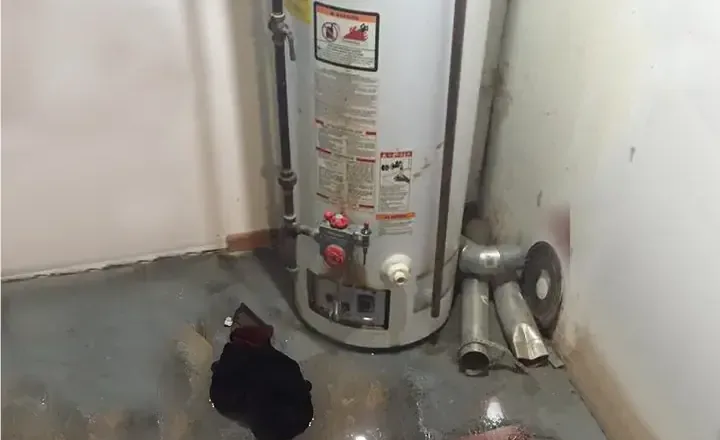 08Water Heater Leak CleanupA leaking tank is shut down, pooled water is extracted and the nearby floor and walls are dried.See the service
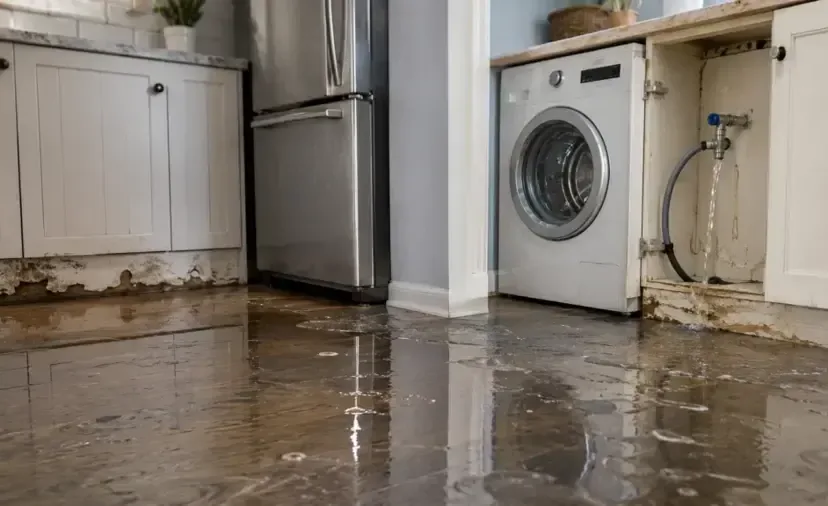 09Appliance and Supply Hose LeaksWasher, dishwasher and refrigerator leaks soak cabinets and floors, and can reach the unit below.See the service
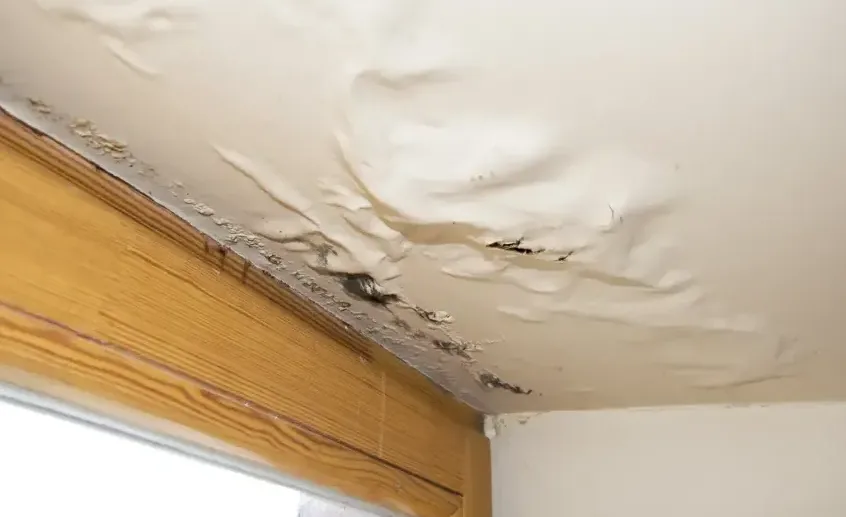 10AC and Condensate Leak DamageA clogged condensate drain can overflow into ceilings and walls, so the wet insulation and drywall are dried.See the service
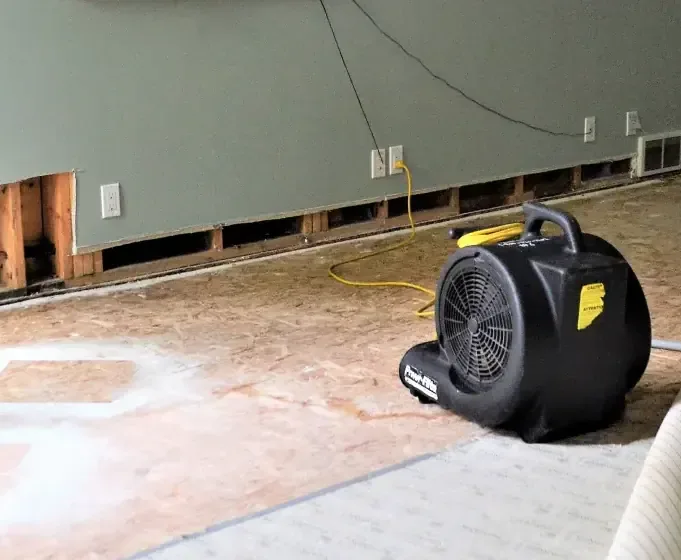 11Structural Drying and DehumidificationAir movers, dehumidifiers and daily readings dry framing, subfloors and older materials to dry standards.See the service
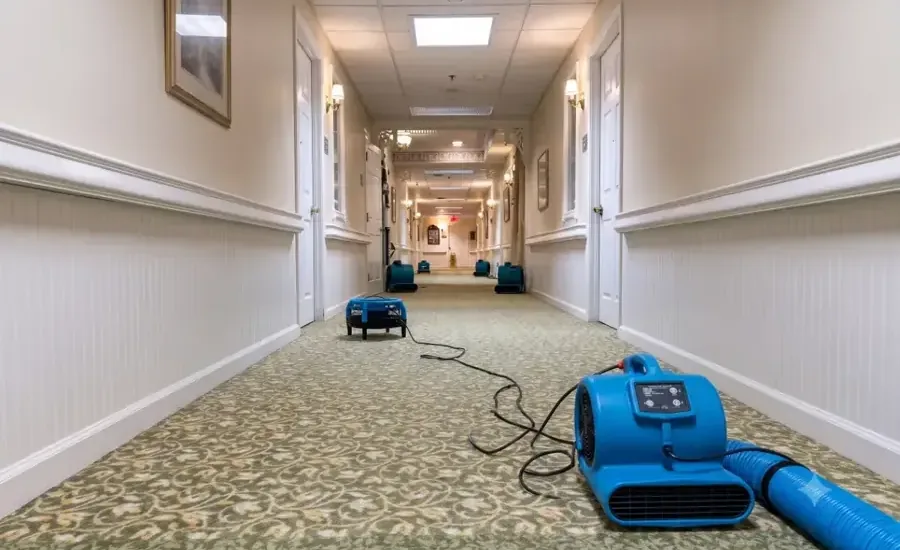 12Commercial and Industrial Water DamageShops, restaurants and offices get drying plans that fit how the business runs and protect neighboring suites.See the service
A drying plan built around the readings
- 1
Find the wet spots
A moisture meter and thermal camera trace water behind baseboards, under flooring and inside wall cavities, and the readings are recorded.
- 2
Remove the water
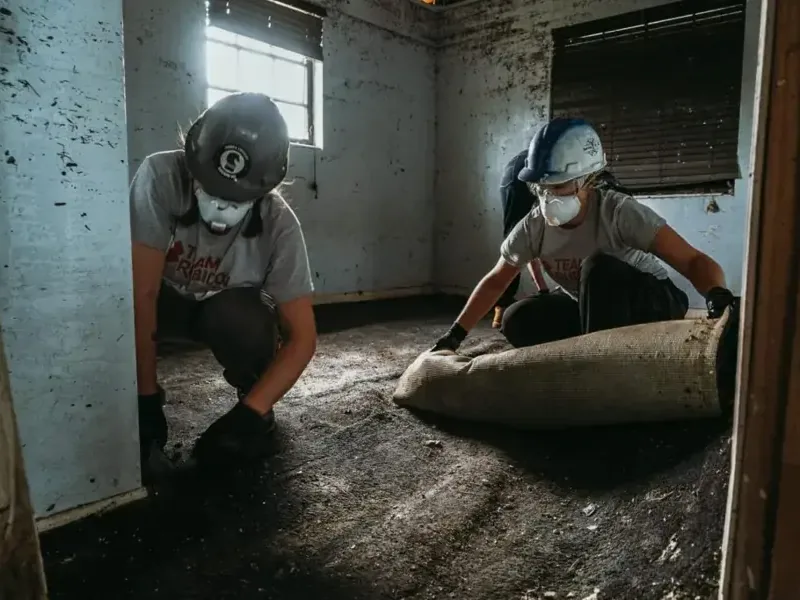
Wands and extractors lift standing water, and soaked carpet pad or swollen trim is pulled out when it cannot be saved.
- 3
Place the equipment
Air movers and dehumidifiers go where the readings point, and the crew adjusts their spots as the walls and floors give up moisture.
- 4
Confirm it is dry
Daily visits compare readings with dry standards, and the equipment stays until every wet material tests dry.
Water work built around records and dry standards
Crews who know the housing
Technicians work in houses and apartment buildings across town, and they plan around shared walls, older trim and tight access.
Gear sized to the job
Truck-mounted extractors handle large losses, while portable units and compact dehumidifiers fit small rooms and upstairs apartments.
Claim-ready records
Photos, readings and equipment logs are kept for each visit so the owner and the adjuster can see what was done and why.
Plain answers
Owners hear what is wet, what has to come out and how long drying usually takes before any work begins.
Why a local crew matters after a leak
San Gabriel has houses built from 1908 to 1938, thousands of homes from the 1940s and 1950s, and apartment buildings with shared walls and ceilings. Water behaves differently in each, so the first visit starts with readings, not guesses.
Everything is documented, from the first moisture map to the final dry readings, so the owner has clear records for the claim. Extraction and structural drying are planned together, not as separate visits.
See where the crews workWhat water damage cleanup costs in typical cases
Most jobs land between $1,200 and $15,000 or more, depending on how much is wet, how long it sat and whether the water was clean or contaminated. Bigger numbers usually mean more rooms, more material removal or sewage in the water.
Small and contained
$1,200 to $3,500- One room or a single wall
- Extraction and spot drying
- Two to four days of drying
Several rooms
$3,500 to $7,500- Wet carpet and pad removed
- Flood cuts where walls are wet
- Dehumidifiers and daily readings
Large or contaminated loss
$7,500 to $15,000+- Category 2 or 3 water
- Wide material removal and cleaning
- Whole-structure drying
Ranges are typical, not a quote; the real figure depends on what the readings show.
Equipment that does the drying
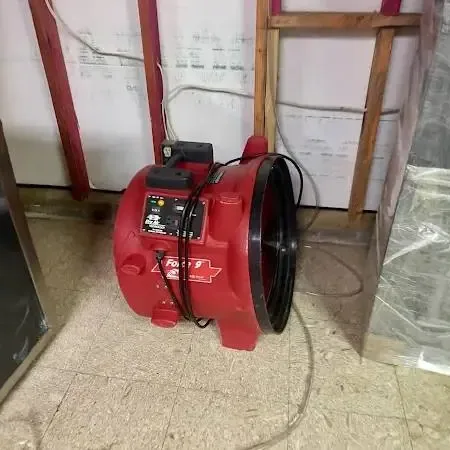
Air movers push dry air across wet floors, baseboards and lower walls to speed evaporation.
LGR dehumidifiers pull moisture out of the air so wet framing and drywall can keep releasing it.
Truck-mounted and portable extractors remove standing water before drying begins.
HEPA air scrubbers and containment barriers protect the rest of the home during sewage work.
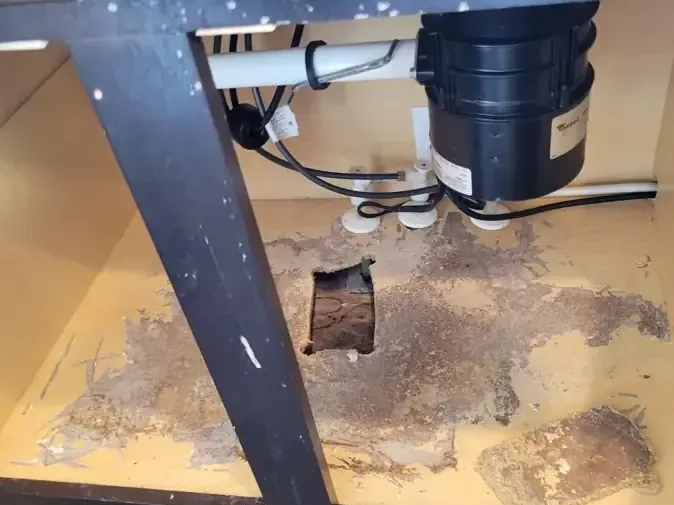
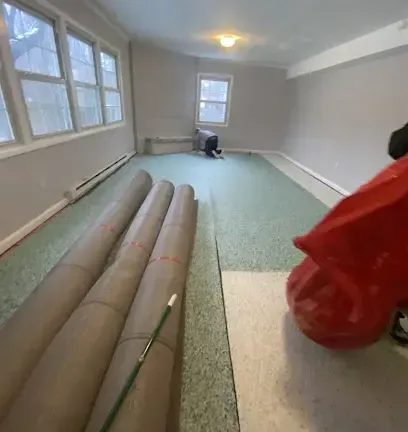
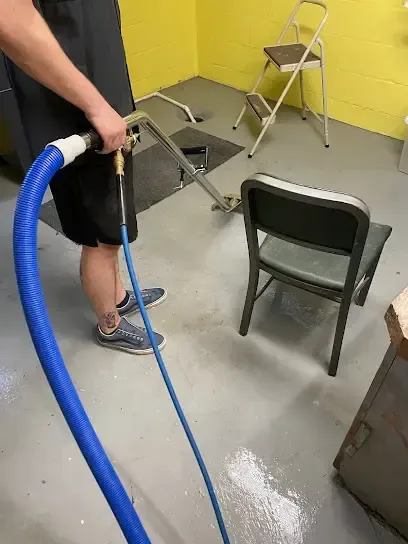
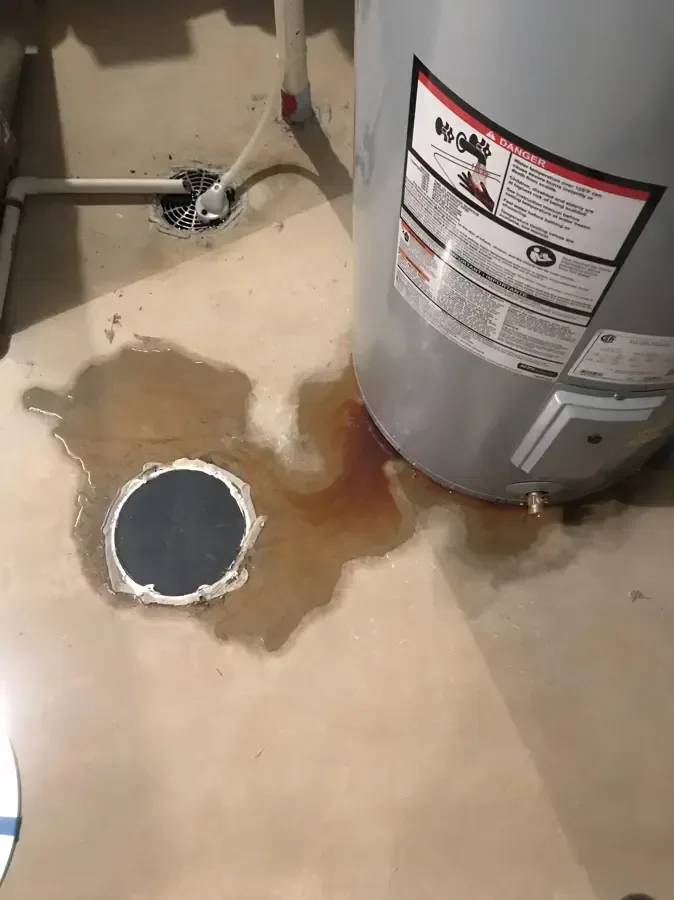
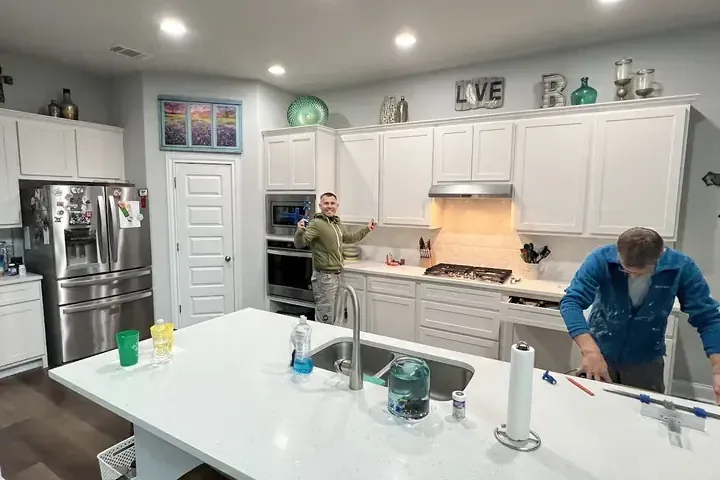
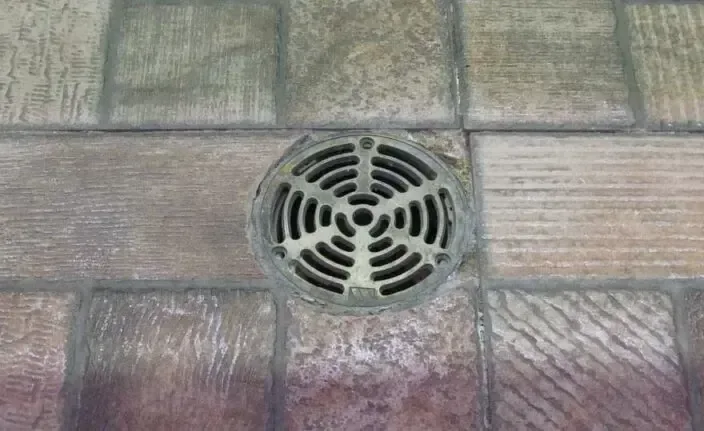
Photos from typical water damage jobs
Areas and ZIP codes served
Crews cover the whole city, from older residential districts to apartment blocks and the Valley Boulevard business strip.
ZIP codes covered
Neighborhoods
- Mission District
- Country Club East
- Country Club West
- Rosemont Park
- Oak Knoll Unit
- Gerona Avenue
Landmarks and corridors
- Valley Boulevard
- Plaza Park
- Vincent Lugo Park
- Las Tunas Drive
Nearby communities
Reach a crew when water is where it should not be
Call and describe the type of loss, the rooms affected and whether water is still running, so the crew can bring the right equipment to the first visit.
Common kinds of water loss in local homes
Standing water
Extraction comes first, since water left standing keeps soaking into carpet, pad and lower walls.
Water extractionHidden leaks
Washer, dishwasher and refrigerator hoses leak where nobody sees it, and the water can reach the unit below.
Supply hose leaksSewage backups
A backup is contaminated water, so the crew contains it first, and public sewer spills are reported to the city's Public Works Department.
Sewage backup cleanupWhat tends to cause water damage in town
The city's stormwater page describes San Gabriel as flood zone C, a non-flood hazard area, yet flood control channels run through or along the city, and older buildings and shared walls add their own risks.
- Flood channels. Three flood control channels run through or along the city, so storm water reaching a home is treated as contaminated.
- Shared walls. About 3,541 units sit in buildings of five or more units, so one leak can reach a neighbor's ceiling.
- Older homes. The median home dates to 1957, so a split or pinhole leak inside a wall is a fair concern.
- Dry summers, wet winters. February averages 4.22 inches of rain after a nearly dry summer, and August highs near 87.6 degrees keep air conditioners busy.
Water damage questions from local owners
How fast should drying start after a leak?
As soon as possible, since wet drywall, carpet pad and framing can start to develop mold in the first day or two. Extraction and equipment go in before anything else.
Does the crew work in apartments and condos?
Yes. About 6,261 homes are renter-occupied, so many jobs involve a landlord, a neighbor below or shared walls, and the crew plans access, containment and drying around all three.
Is storm water from a wash treated differently?
Yes. Water that comes from outside, especially near a flood control channel, may carry sewage and debris, so it is handled as contaminated and the affected materials are removed.
What does the crew do about sewage backups?
The area is contained, standing waste is removed in protective gear, porous materials are discarded and hard surfaces get a cleaning and antimicrobial treatment. Public sewer spills are reported to the city.
Who is responsible for a sewer backup?
The city says homeowners are responsible for the sewer pipe from the house to where it joins the main, and the city owns the public sewer under streets and some rear easements. Either way, sewage backup cleanup can start before responsibility is sorted out.
Why do roof leaks appear with the first big storms?
June through September bring almost no rain, so the first strong winter storms often reveal roof leaks that stayed hidden all summer, usually as a ceiling stain. The crew traces the water upward and dries the wet insulation.
What paperwork does the crew keep for a claim?
A running file holds dated photos, day-by-day moisture numbers, the equipment placed and the items removed. It is ready to hand to the adjuster, and it keeps the claim from turning into a memory contest.
Can drying happen without tearing out walls?
Often. Wet drywall can sometimes be dried in place through small holes and steady airflow, but soaked insulation, sewage contaminated materials and swollen trim usually have to come out, and readings decide which.
Do older homes dry differently from newer ones?
Often. Older wood floors and thick trim can hold water longer, so the crew dries them in place with care for original materials, which matters in districts like Country Club East and Country Club West.
How is the final price decided?
Moisture readings set the scope: how many rooms are wet, what materials must come out and how many days of equipment the drying needs. The crew explains each of these before major work begins.
Wet walls or floors need attention now
Describe the leak or backup, and the crew will plan extraction, drying and documentation around your home, your building and your claim.