Water Extraction for San Gabriel Homes and Shops
Standing water is pulled out first, because wet carpet, pad and lower walls keep absorbing it. Crews in San Gabriel then dry the structure and log the readings.
(888) 578-6508Ask a crew to pull the water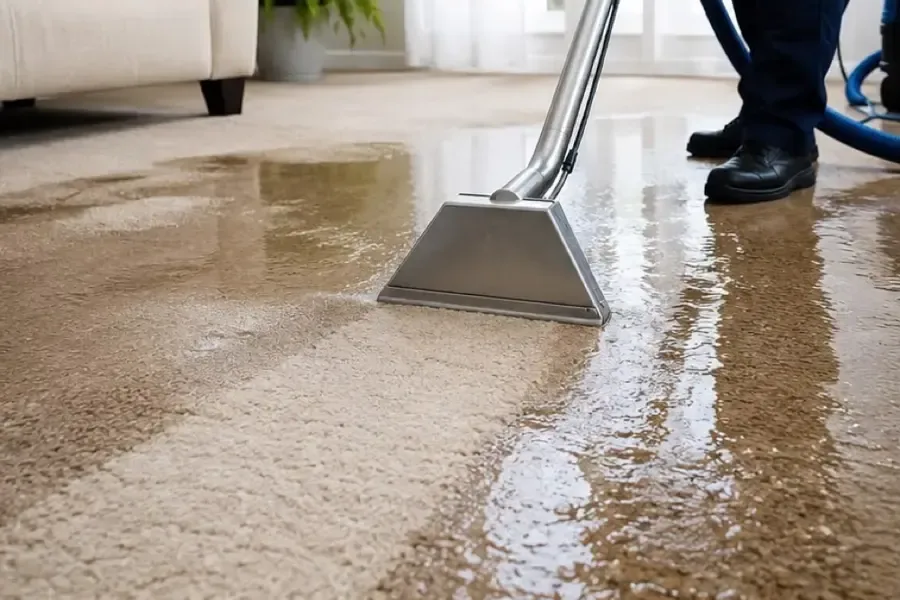
First steps for water extraction and removal
Stop the source
Shut the valve or fixture stop and tell any neighbor whose ceiling or wall may be wet.
Clear the floor
Move small furniture, rugs and electronics out of the wet area so the extractor can reach every corner.
Document the water
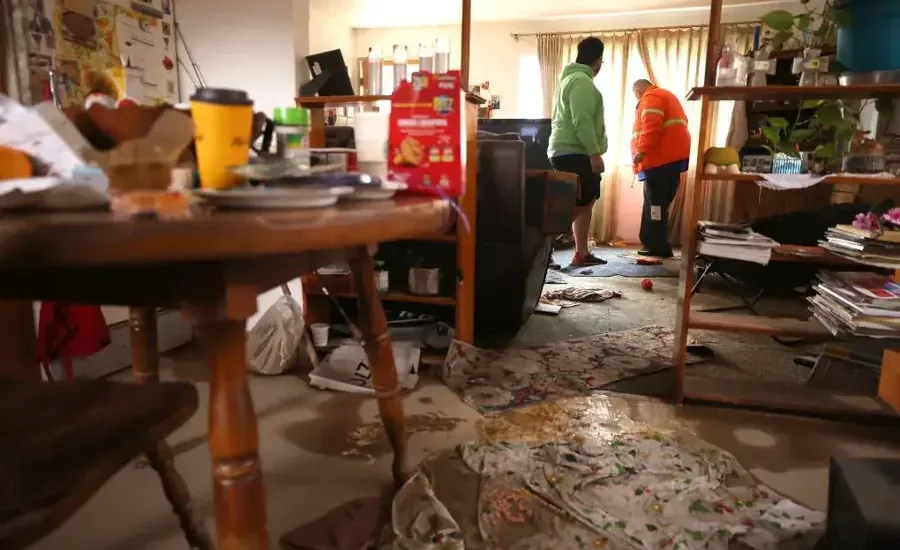
Photograph the standing water, the wet walls and any damaged belongings before extraction begins.
Extract and measure
The crew pulls the water, then takes moisture readings to find what the extractor could not reach.
How water extraction and removal is handled
When water covers a floor, the clock starts on carpet pad, baseboards and the wall bottoms. Extraction in San Gabriel homes begins with removing what is standing, then moves to what has soaked in.
Rapid local response
Active water is treated as urgent at any hour, so the extraction crew starts while the water is still on the surface.
IICRC S500 drying standard
Moisture mapping comes first, then extraction, air movers and LGR dehumidifiers sized to the class of loss.
Claim-ready documentation
The mitigation team keeps a moisture map, daily psychrometric logs and timestamped photos for the adjuster.
Valley water know-how
Slab floors, copper under concrete, hard water and storm runoff with nowhere to drain shape each drying plan.
What does water extraction and removal cost in San Gabriel, CA?
Extraction alone usually runs $400 to $1,800 for a small area, and $1,500 to $4,500 when drying is added for two or three rooms. Contaminated or large losses reach $4,500 to $9,000 or more, mostly from removal and cleaning.
A single wet area
$400 to $1,800- One room or hallway floor
- Extractor wand passes on carpet
- Readings taken at the start and end
Extraction plus drying
$1,500 to $4,500- Two or three rooms affected
- Air movers and dehumidifiers set
- Several days of daily readings
Large or contaminated loss
$4,500 to $9,000+- Category 2 or 3 water
- Wet pad and baseboards removed
- Antimicrobial treatment and full drying
Ranges are typical, not a quote: the water category, square footage, material class and how fast drying started move the number most. The water damage cost calculator gives a closer planning range.
Water Extraction and Removal, step by step
- 1
Inspect the loss
A moisture meter and thermal camera show how far the water traveled under carpet and behind baseboards.
- 2
Lift the standing water
Truck-mounted or portable extractors remove surface water, with weighted passes over carpet to draw moisture from pad.
- 3
Remove what cannot dry
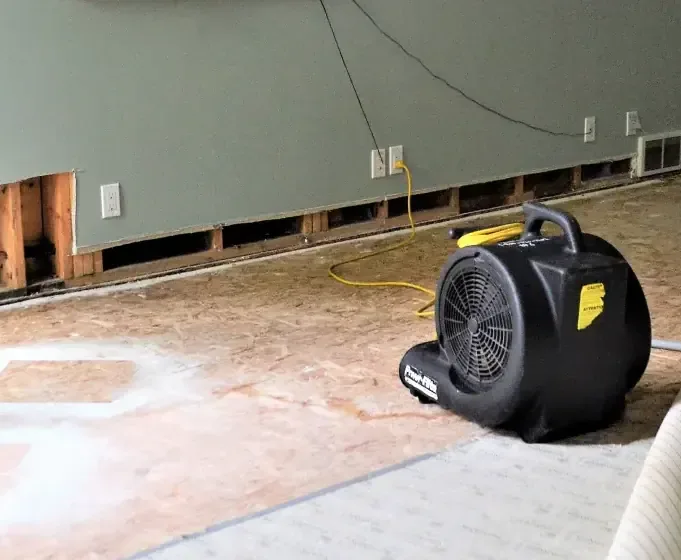
Soaked pad and swollen baseboards come out so they stop holding water against the structure.
- 4
Hand off to drying
Air movers and dehumidifiers go in, readings continue daily and the job closes when materials reach dry standards.
What the crew removes first
The first pass targets water that can still be lifted before it spreads under doors, into closets and across into other rooms.
- Standing water on tile, vinyl, laminate and hardwood floors
- Water held in carpet and cushion, using weighted extraction
- Puddles trapped under furniture or inside cabinet bases
- Wet debris that would keep releasing moisture
- Water pooled in low corners and at door thresholds
Why shared walls change the plan
About 3,541 housing units are in buildings of five or more units, and 6,261 homes are renter-occupied. In that kind of building, water from one kitchen or bathroom can pass into a neighbor's ceiling, so extraction is paired with a quick look at the walls and units below.
Equipment, then the handoff to drying
Truck-mounted units suit large floors and long hose runs, while portable extractors fit upstairs apartments, narrow hallways and small bathrooms. The crew picks the tool by the space, so the corners do not stay damp.
Pulling water is only the first half. Once the surface water is gone, readings show what is still wet in the subfloor, baseboards and wall cavities, and structural drying takes over with air movers and dehumidifiers.
Contaminated water is different
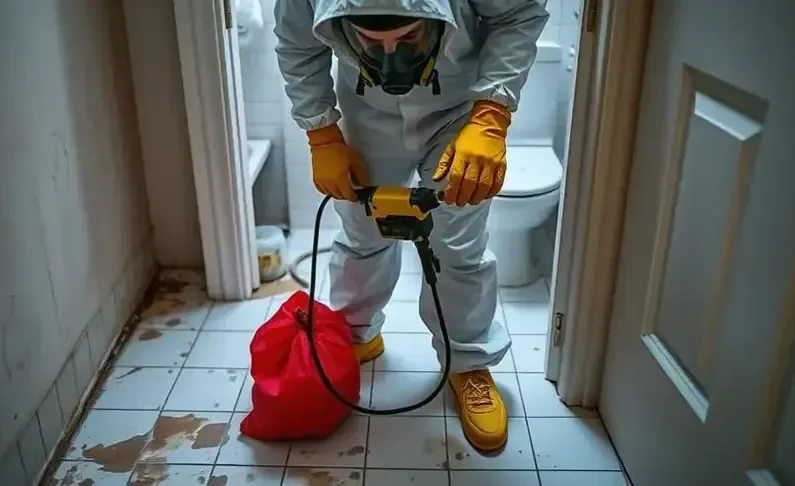
Water from a backup or from outside during a storm is not handled like a clean supply leak. It is removed with protective gear, porous materials go out, and sewage backup cleanup steps apply. Hard surfaces are cleaned and treated, and the owner is told which items can be kept.
Water extraction and removal coverage and nearby areas
Extraction crews work in all three local ZIP codes, 91775, 91776 and 91778, from older houses in the Mission District to apartment buildings and Valley Boulevard shops, with equipment sized to each space.
The same service nearby: water extraction and removal in Sun Valley, San Marino, Alhambra.
Water damage restoration in San Gabriel · every town covered
Related water damage services in San Gabriel
Water Extraction and Removal: common questions
Can wet carpet be saved after extraction?
Sometimes. Clean water caught early can leave carpet dry enough to keep, but the pad underneath is usually removed, and any carpet touched by sewage or storm water is discarded.
Do neighbors need to be told about a leak?
Yes. With thousands of apartments and attached homes in the city, water often reaches a ceiling or wall next door, so the crew asks owners to alert neighbors below and beside the leak.
What is the difference between extraction and drying?
Extraction removes liquid water from surfaces and soaked materials. Drying removes the moisture left inside framing, subfloors and walls, using air movers and dehumidifiers over several days.
Is storm water extracted the same way as a pipe leak?
The equipment is the same, but the water is treated as contaminated. Crews wear protective gear, remove porous materials and clean hard surfaces afterward, because runoff can carry sewage and debris.
When should extraction start?
As soon as the source is stopped. Water left standing keeps soaking into pad, baseboards and drywall, and the first day or two decide how much has to be torn out.
Does the crew move furniture and belongings?
Light items are moved out of the wet area first, and heavy furniture is lifted onto blocks so water under it can be reached. Valuables and documents stay with the owner.
Pull the water out before it spreads
Extraction crews can start with the wet floor, then move to the walls, pad and framing behind it.