Water Damage Restoration in San Marino
When a leak, a failed hose or a storm soaks a San Marino house, water moves through floors and walls quickly. Crews extract it, dry the structure and log every reading for the claim.
(888) 578-6508Call for help with a San Marino leak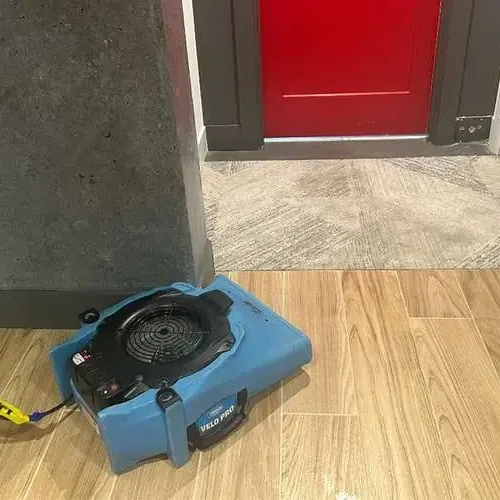
First moves that limit the damage
- 1
Stop the source. Close the fixture valve or the main shutoff. A main break or meter leak outside is a Cal-American Water matter, per the city.
- 2
Kill power near water. Switch off breakers for wet rooms and stay out from under sagging ceilings. Lift small electronics, rugs and books onto dry surfaces.
- 3
Photograph everything. Take wide and close photos of the damage, the water source and any ruined belongings before anything moves. Keep receipts for emergency repairs.
- 4
Call for drying. A crew extracts standing water, opens wet cavities and sets equipment so older flooring and wall framing do not sit damp.
Services for every kind of water loss
Each service starts with stopping the source, then extraction and drying matched to the house.
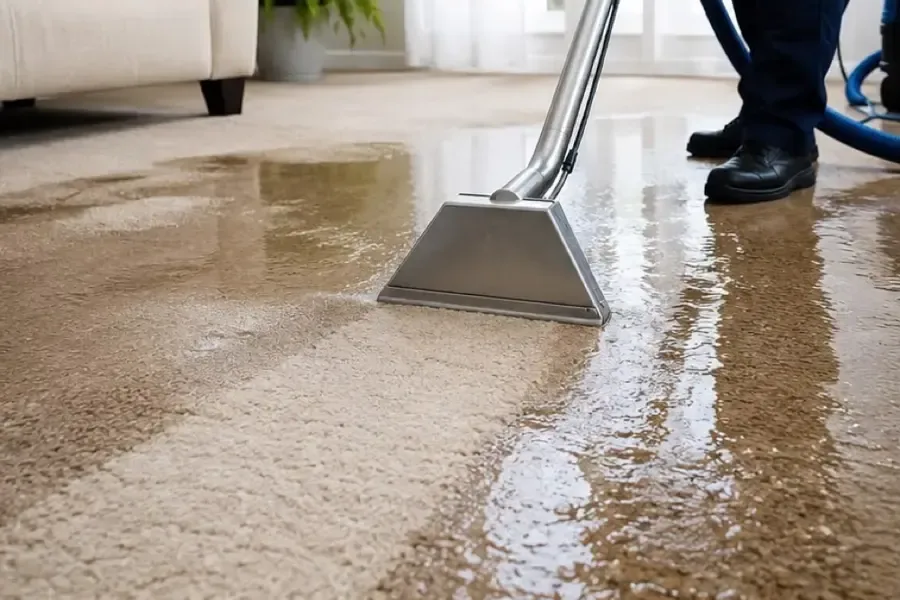 01Water Extraction and RemovalPumps and extractors remove standing water from floors and carpet so drying can start on a clear base.See the service
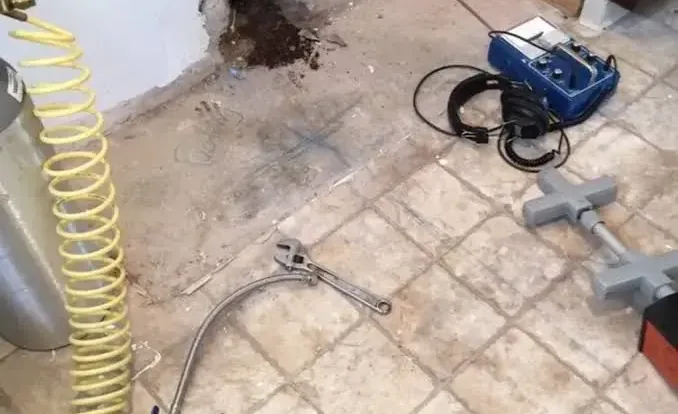 02Slab Leak Water DamageSlab leaks are traced, flooring is lifted and the concrete and nearby walls get dried.See the service
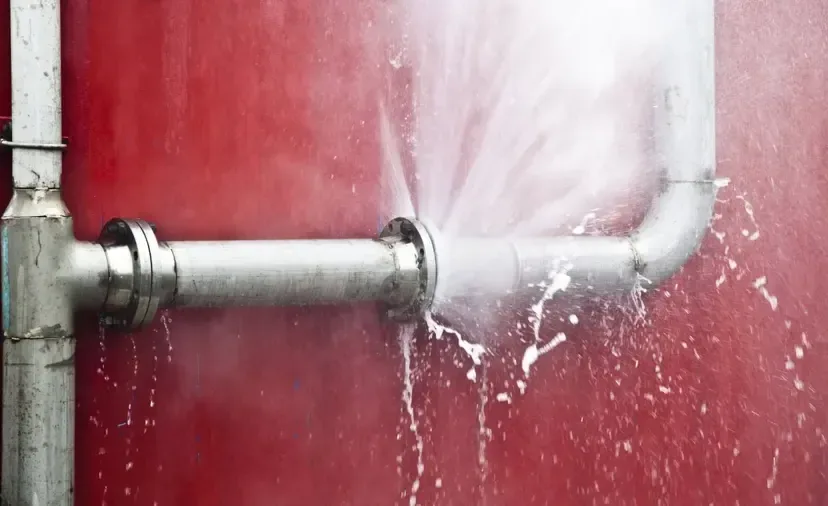 03Burst and Pinhole Pipe LeaksSplit pipes inside walls mean opening the cavity, removing wet insulation and drying the framing.See the service
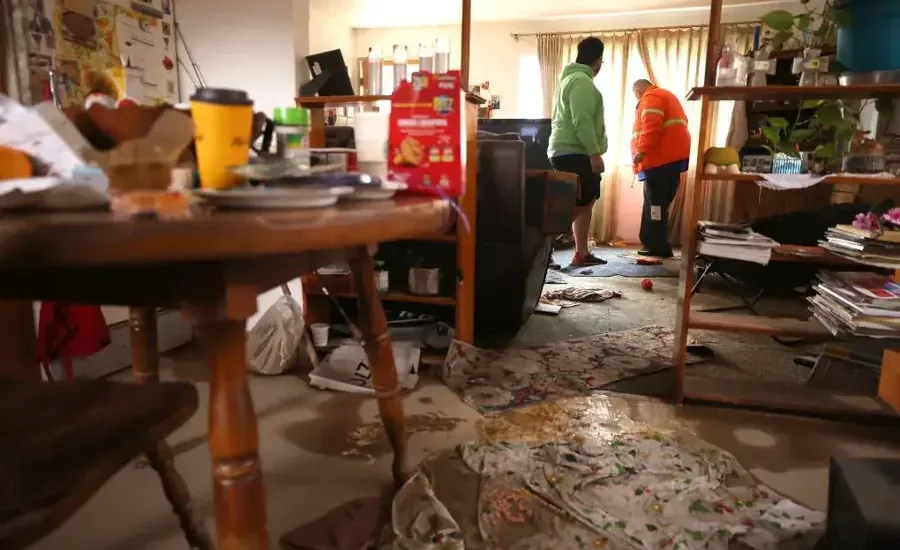 04Storm and Street Flooding CleanupStorm water is treated as contaminated, so debris comes out and surfaces are cleaned before drying.See the service
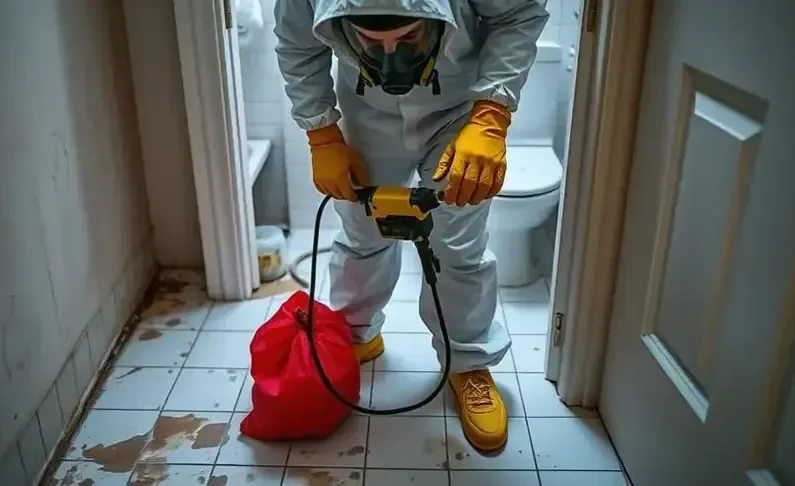 05Sewage Backup CleanupBackups are handled as Category 3 water, with containment, removal, cleaning and treatment of affected framing.See the service
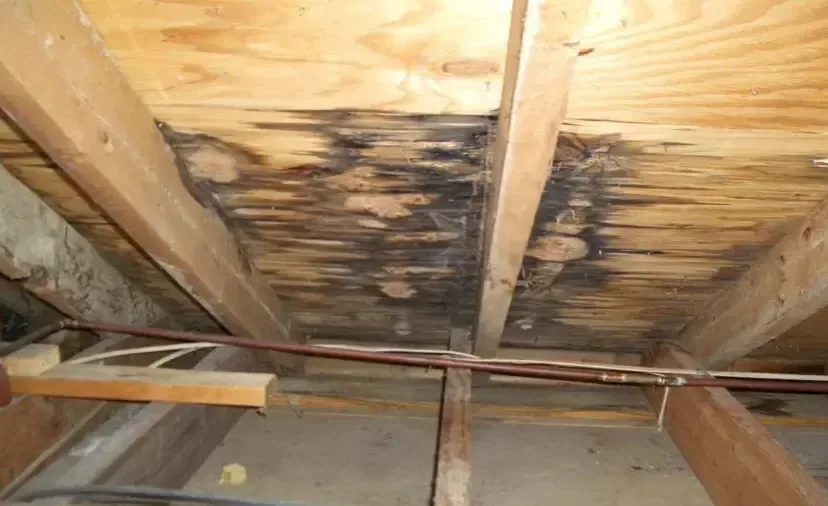 06Roof Leak Water DamageRain through a worn roof spot is traced, wet insulation comes out and the attic and ceiling dry.See the service
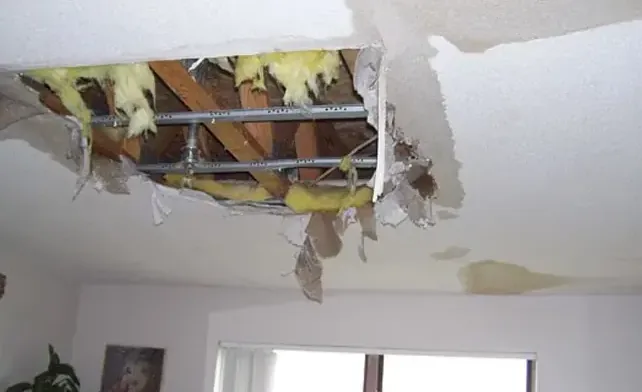 07Ceiling Leak Water DamageCeiling stains are opened, traced to the roof, bath or attic pipe, then dried with moisture readings.See the service
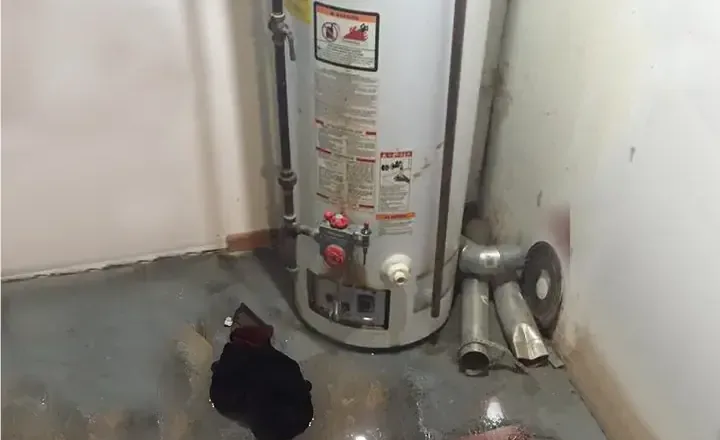 08Water Heater Leak CleanupA leaking tank in a garage or closet is extracted, then the floor and wall bottoms are dried.See the service
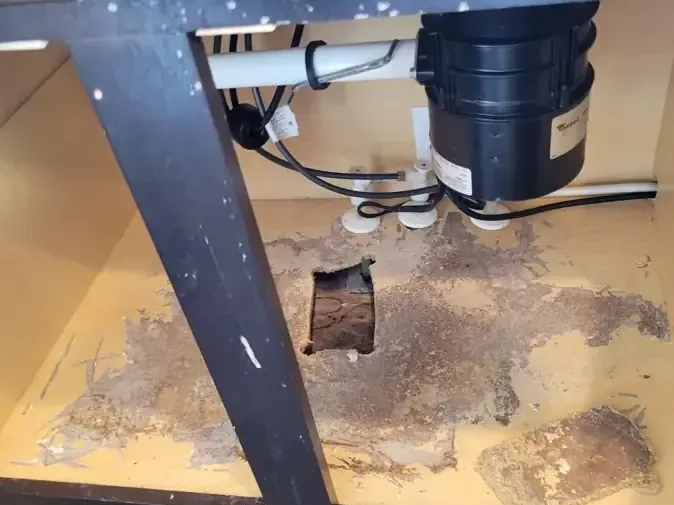
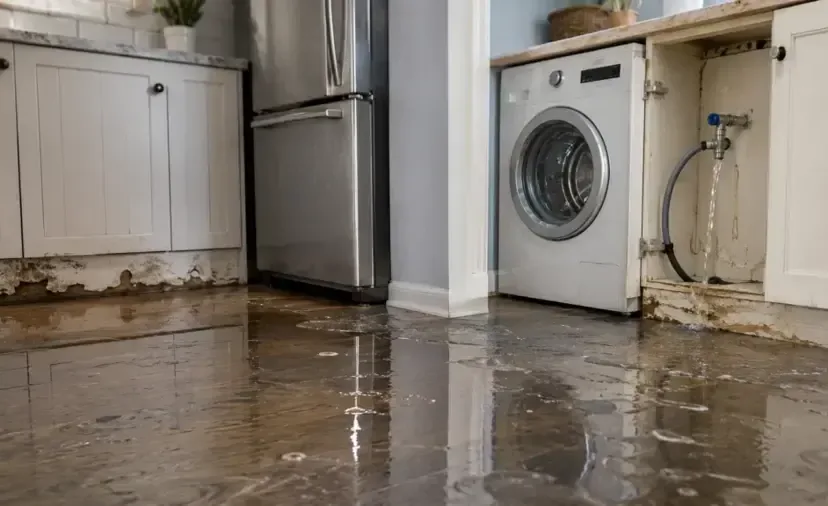 09Appliance and Supply Hose LeaksWasher hoses, dishwasher supply pipes and ice maker leaks mean floors and cabinet bases need drying.See the service
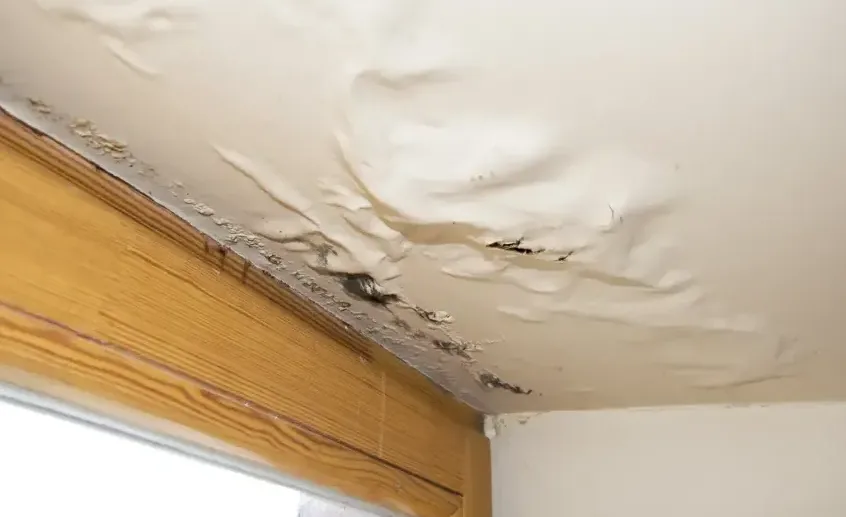 10AC and Condensate Leak DamageA clogged condensate drain or cracked pan can soak ceilings and walls, which are opened and dried.See the service
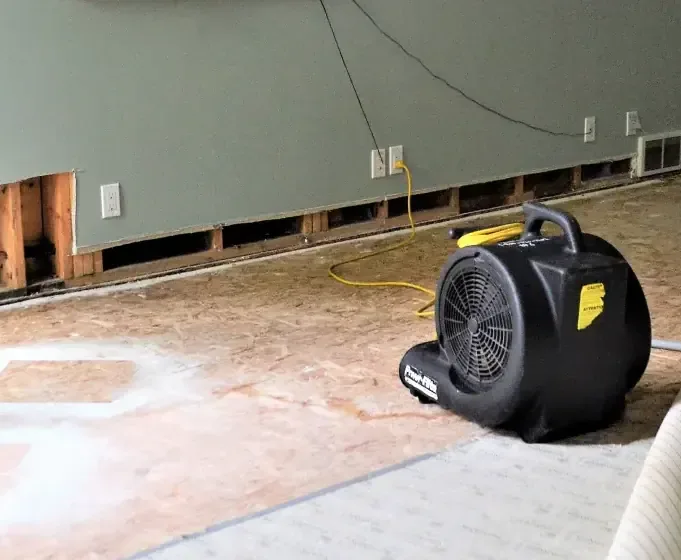 11Structural Drying and DehumidificationWalls, floors and framing dry with measured equipment until readings reach the dry standard.See the service
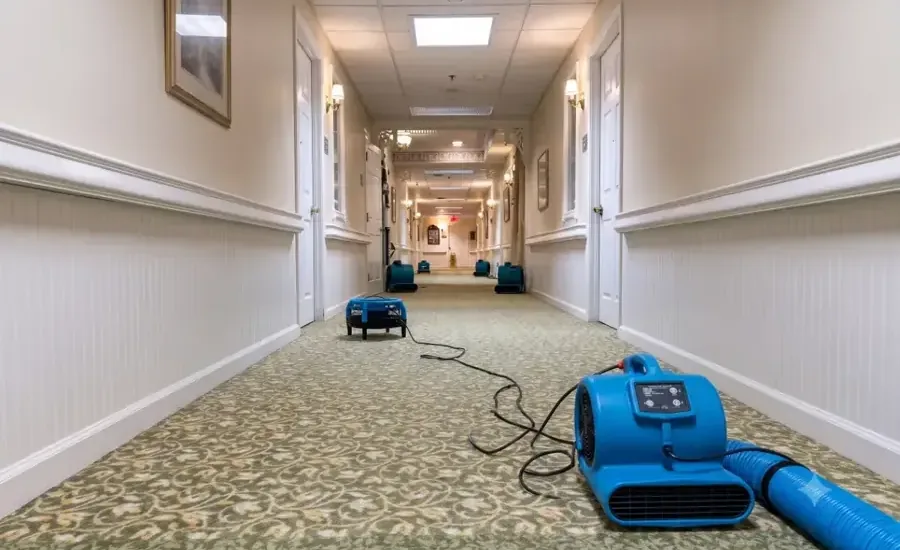 12Commercial and Industrial Water DamageShops, restaurants and offices get low-disruption extraction and phased drying, with records per space.See the service
A drying plan built around the house
- 1
Scan every surface
Meters and a thermal camera find wet drywall, baseboards and subfloor, so the plan covers hidden damp as well as visible stains.
- 2
Remove the water
Extractors lift standing water, and carpet pad or soaked insulation is pulled out when it cannot dry in place.
- 3
Place the equipment
Air movers and LGR dehumidifiers go where the readings are highest, with airflow aimed to pull moisture out of framing and flooring.
- 4
Check, adjust, repeat
Daily visits log temperature and moisture, equipment gets repositioned, and the job closes only when materials meet the dry goal.
Careful, documented work in every wet room
Local dispatch
Calls reach a dispatcher who knows the San Gabriel Valley and sends the crew and equipment the loss calls for, with a clear plan for the first visit.
Equipment sized to the job
Extractors, air movers and LGR dehumidifiers are matched to the room count and the materials involved, not set out by habit or guesswork.
Records adjusters can use
Moisture logs, photos and equipment records are kept for every visit and handed to the owner when drying ends, ready to attach to a claim.
Older houses understood
Houses here skew old, with most built between 1920 and 1950, so crews plan around aged framing, flooring and wall materials that dry slowly.
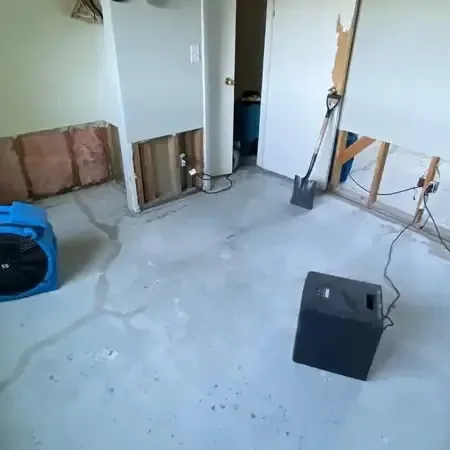
Local crews, careful drying, clear records
Nearly every home here is a single-family house, 4,446 of 4,501 units in SCAG housing data, so a leak usually travels from one room into the next. Water extraction removes the bulk first, then drying follows the moisture.
Most of those houses were built between 1920 and 1950, and 40.9 percent date to 1939 or earlier, so crews expect aged materials and plan structural drying around them. Each visit adds moisture readings to the record.
See the full service areaWhat water damage work costs in a typical house
Most jobs here land between $1,200 and $3,500 for a small, caught-early loss, and the total climbs with the area wet, the water category and the days of drying. Photos and readings settle the scope, and a written estimate comes before any wall is opened.
Small wet area
$1,200 to $3,500- One room or a hallway
- Extraction and a few air movers
- Two to four days of drying
Several rooms
$3,500 to $7,500- Wet carpet and pad removed
- Baseboards and lower drywall cut out
- LGR dehumidifiers and daily readings
Whole floor or serious loss
$7,500 to $15,000+- Category 2 or 3 water
- Wide flooring and wall removal
- Whole structure drying
Ranges are typical for single-family houses; the written scope after the walkthrough sets the real figure.
Equipment that does the drying
Portable extractors pull water from carpet and hard floors, room after room.
LGR dehumidifiers pull moisture from the air so wet framing can give it up.
Air movers skim airflow across floors and walls, and angled units push it into cavities.
Moisture meters and a thermal camera show where water hides, and confirm when it is gone.
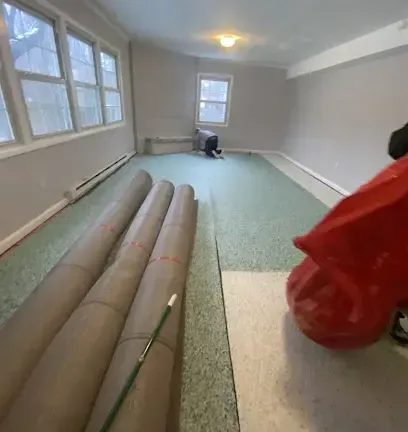
Water loss work in pictures
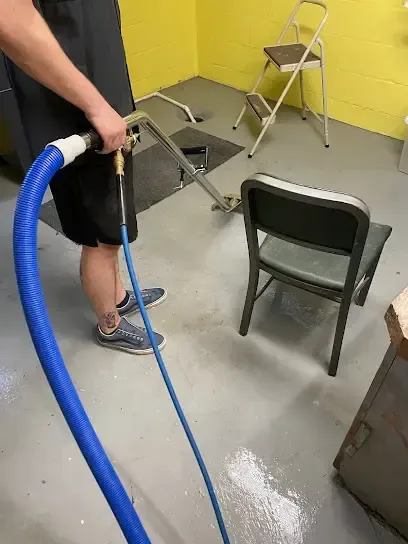
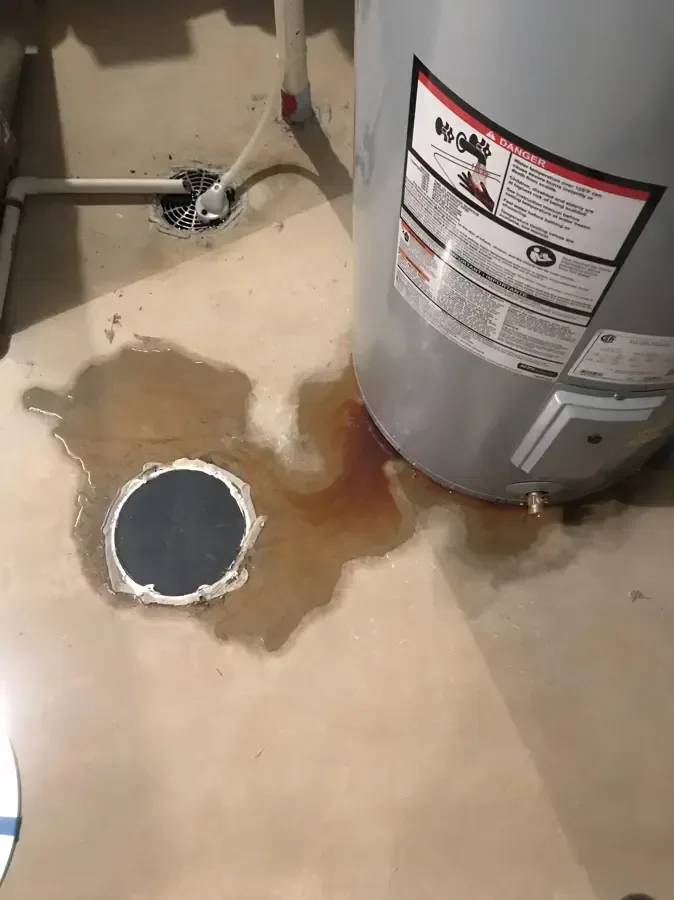
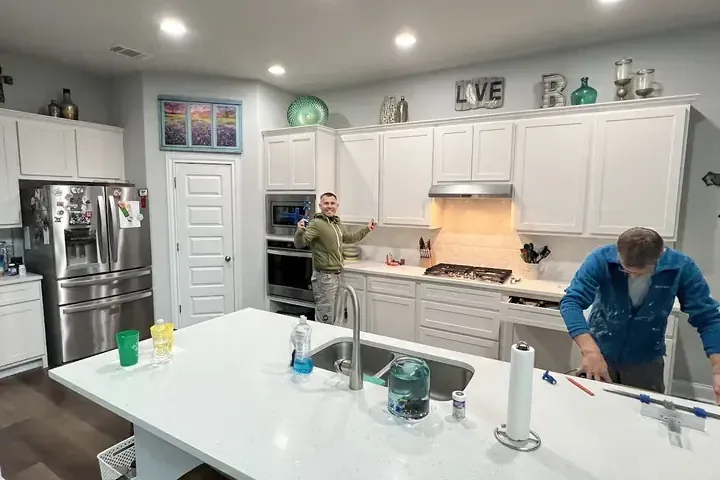
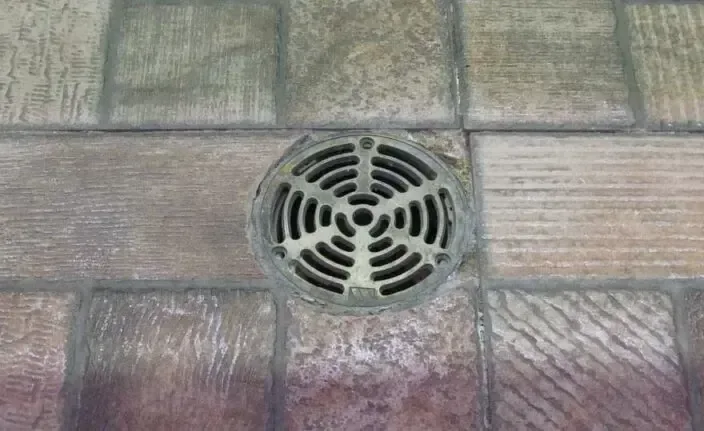
Service across San Marino
Crews cover both of the city's ZIP codes, from Old Town to the Old Mill area and the streets that run between.
ZIP codes covered
Neighborhoods
- Old Town
- Old Mill
Landmarks and corridors
- Mission Street
- Huntington Drive
- Lacy Park
- Old Mill Road
- City Hall
- Crowell Public Library
- Centennial Clock
Nearby communities
Water in the house? Talk to a crew now
Call with a description of the water, where it came from and what it touched. The dispatcher sets up the visit and tells the homeowner what to shut off while waiting.
Match the water to the cleanup it needs
Clean water from a leak
Supply pipes, tanks and hoses release clean water that is easiest to save when extraction starts early.
Water extractionAppliance and hose leaks
A washer hose or dishwasher supply pipe can soak floors and cabinet bases for days before anyone notices.
Appliance leak cleanupSewage and storm water
Backups and flood water are contaminated, so removal, cleaning and treatment come before any drying.
Sewage backup cleanupHow age, drains and storms affect local homes
The city's housing is nearly all single-family and mostly dates from 1920 to 1950. Water problems here tend to trace back to aging plumbing, a private sewer pipe or a heavy storm that finds a weak spot on an older roof.
- Aging plumbing. With 40.9 percent of units built in 1939 or earlier, older pipes inside walls can split and soak a cavity unnoticed.
- Private sewer pipes. Owners maintain the sewer lateral that joins the house to the city main, so a blockage there backs up into the home.
- Heavy rain events. In November 2025 the city's fire department staffed an extra pump vehicle ahead of a storm, and flash flood warnings covered the county.
- Older roofs, soaked ground. The November 2025 storms left Southern California grounds saturated, and older roofs can show a weak spot after a soaking.
Water damage questions, answered
How fast does water spread through a house?
Faster than most owners expect. In a single-family house, water crosses floors, runs down wall cavities and wicks into baseboards, so the sooner water extraction starts, the less material needs to be removed.
Should I call my insurance company first?
Stop the water and take photos first, then call the adjuster. The adjuster decides coverage, and a mitigation crew can begin drying so the loss stays small while the claim opens.
Who handles a water main break or meter leak?
Water emergencies, main breaks and meter leaks on the supply side are sent to Cal-American Water, per the city. A leak inside the house, past the meter, is the homeowner's to stop and dry.
What if sewage backs up into a bathroom?
Keep everyone away and do not run drains. Sewage is Category 3 water, so porous materials come out and hard surfaces are cleaned and treated, and the owner's private sewer pipe may need a plumber's check. See sewage backup cleanup.
Can drying happen without tearing out walls?
Often yes. Readings decide it. Drywall that is only damp can dry in place with airflow, but saturated insulation, soaked baseboards and swollen material usually have to be opened.
How long does structural drying take?
Most homes need three to five days of equipment, though thick framing, hardwood or a long hidden leak can stretch that. Daily readings, not the calendar, tell the crew when to pull equipment, as covered under structural drying.
Does mold start right after a leak?
Mold can begin to grow on damp materials after 24 to 48 hours, which is why wet drywall, carpet and pad are dried or removed early instead of left to see if they dry on their own.
Is the Lacy Park storm drain project built yet?
No. A new culvert at Lacy Park is still in the design stage, and the city does not expect construction before fiscal year 2026/27. Even when it is built, a drainage project cannot dry a wet house, so cleanup still starts indoors.
Do crews work in shops and offices too?
Yes. Mission Street shops and restaurants, schools and civic buildings need extraction and drying planned around open hours and neighbors, so work is phased and records are kept per space. See commercial water damage.
What can I do while waiting for the crew?
Move furniture off wet floors, lift rugs and electronics, open closet doors so air can circulate and keep photographing changes. Keep pets out of any sewage or storm water.
Ready to get the water out and the drying started
Call with what happened and send a few photos if possible. The crew will walk the damage, set the scope and start extraction and drying.