Ceiling Leak Water Damage in San Gabriel Homes
A stained or sagging ceiling means water is already sitting in the joists and insulation above. Crews in San Gabriel trace the source, then dry the ceiling, the cavity and the walls it ran into.
(888) 578-6508Report a ceiling stain or sag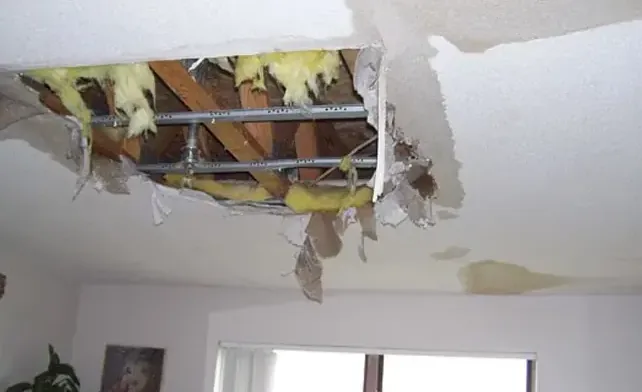
First steps for ceiling leak water damage
Keep people clear
Stay out from under a sagging ceiling, and keep lights and fans off if water is near them.
Catch and contain
Put a bucket under any drip and move furniture away from the wet area.
Find the source
Check the unit above, the roof and any air conditioner drain, or ask a plumber.
Document and call
Photograph the stain and the date, then call the drying crew with what you see.
How ceiling leak water damage is handled
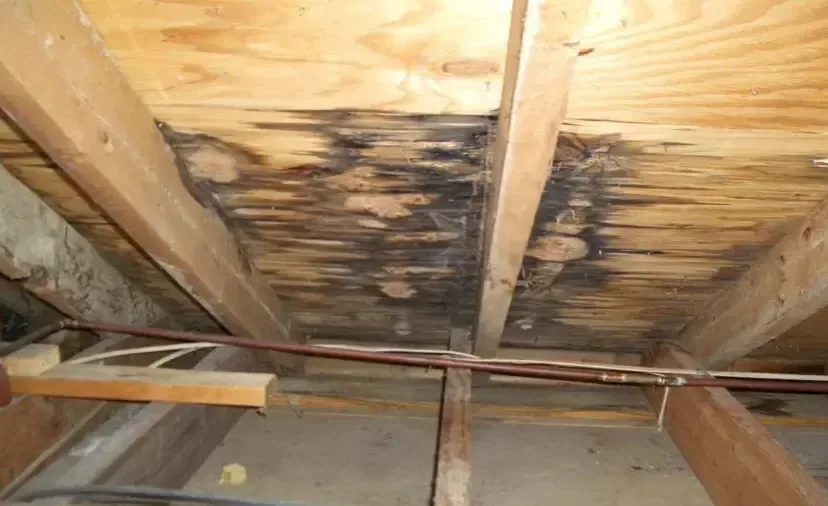
A ceiling stain is the end of a longer trip: water travels along joists, pools in insulation and only then shows itself. In San Gabriel's apartments and attached homes, that trip often starts in the unit above.
Rapid local response
Active water is treated as urgent at any hour, so the extraction crew starts while the water is still on the surface.
IICRC S500 drying standard
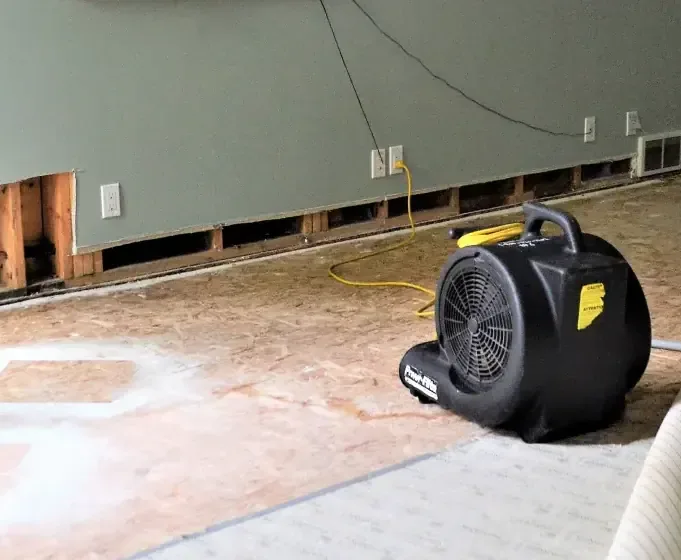
Moisture mapping comes first, then extraction, air movers and LGR dehumidifiers sized to the class of loss.
Claim-ready documentation
The mitigation team keeps a moisture map, daily psychrometric logs and timestamped photos for the adjuster.
Valley water know-how
Slab floors, copper under concrete, hard water and storm runoff with nowhere to drain shape each drying plan.
What does ceiling leak water damage cost in San Gabriel, CA?
A small ceiling area usually costs $900 to $2,200, and a room-sized ceiling runs $2,200 to $4,000. When water reached the walls and several rooms, the cost climbs to $4,000 to $5,500 or more.
Small ceiling area
$900 to $2,200- One stained patch
- Dried in place or a small opening
- Two to four days of drying
Room-sized ceiling
$2,200 to $4,000- Ceiling section cut out
- Wet insulation removed
- Joist bays dried
Ceiling plus walls
$4,000 to $5,500+- Water ran into wall cavities
- Several rooms affected
- Longer drying with records
Ranges are typical, not a quote: the water category, square footage, material class and how fast drying started move the number most. The water damage cost calculator gives a closer planning range.
Ceiling Leak Water Damage, step by step
- 1
Trace the path
Meters and a thermal camera follow the water from the stain back to its source.
- 2
Open the ceiling
Soft or stained drywall is cut back to dry edges and wet insulation is removed.
- 3
Dry the cavity
Air movers and dehumidifiers work through the opening until the wood reads dry.
- 4
Close out the file
Final readings, photos and the removed-materials list go to the owner.
Where the water comes from
With 6,261 renter-occupied homes and about 3,541 units in buildings of five or more, a drip from the unit above is a fair concern. Other sources include the roof, a pipe inside the ceiling and an air conditioner drain.
What a leaking ceiling tells you
These signs mean the water has already spread beyond the visible stain:
- A stain that keeps growing after the leak stops
- Drywall that sags, bulges or feels soft
- Paint bubbling or peeling around the stain
- A musty smell near the ceiling
- Light fixtures that collect water
Drying the joist bays
The wet drywall is cut back past the stain until the edges read dry, and soaked insulation is pulled out. Air movers push air through the opening and dehumidifiers pull moisture from the room, while readings on the joists and the surrounding drywall decide when the openings can be closed. Structural drying covers the equipment side.
Talking to a landlord or neighbor
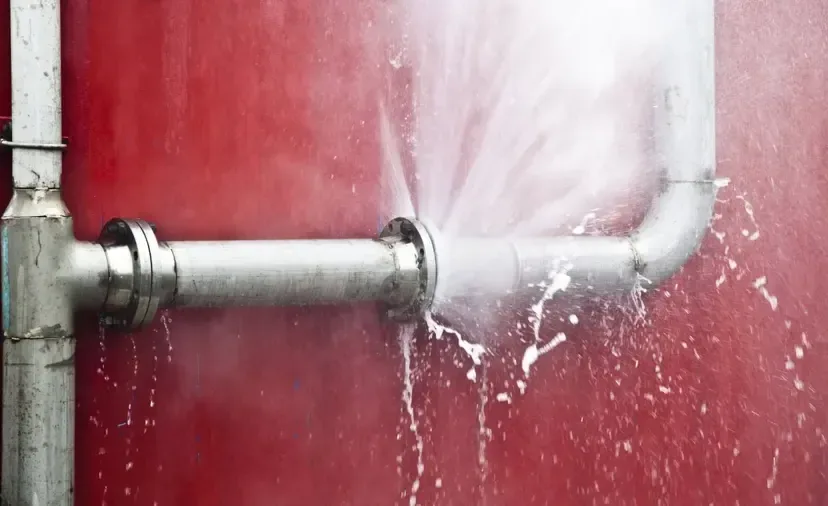
When water comes from another unit, the crew documents both sides of the ceiling, since the owner or landlord above may need to be told. Photos, readings and the date of the first stain give the adjuster a clear record, and see burst pipe steps if a pipe is the source.
Ceiling leak water damage coverage and nearby areas
Ceiling leaks are handled in apartments, condos and houses from the Mission District to Gerona Avenue and Mount Vernon Drive, wherever a unit above or the roof sends water down, across ZIP codes 91775, 91776 and 91778.
The same service nearby: ceiling leak water damage in Sun Valley, San Marino, Alhambra.
Water damage restoration in San Gabriel · every town covered
Related water damage services in San Gabriel
Ceiling Leak Water Damage: common questions
Why is the ceiling still wet after the leak stopped?
Insulation and joists hold water for days, and a ceiling can keep staining while the cavity above stays damp. Drying the cavity, not just the visible stain, is what ends the problem.
Does a ceiling stain always mean the drywall must be replaced?
No. Firm drywall with a faded stain can often be dried and painted over. Drywall that sags, bulges, crumbles or smells has absorbed too much water and is cut out.
Who handles a leak that comes from the apartment above?
The building owner or landlord usually handles the source, and the drying crew documents the damage below, dries the ceiling and walls and gives the tenant or owner records to share.
Is it safe to leave a bulging ceiling alone?
No. A bulge is a pocket of water, and wet drywall can fall without warning. Keep people out from under it and call the crew to open it safely.
Can an air conditioner cause a ceiling leak?
Yes. A clogged condensate drain can overflow into the ceiling below an attic unit, and AC condensate leak damage is dried the same way.
How are ceiling leak claims documented?
Dated photos of the stain, the opened ceiling and the wet insulation, plus daily moisture readings and the cause, give the adjuster what is needed. Keep removed materials until the adjuster agrees.
Dry the ceiling and joists
Crews trace the source, cut out what cannot dry, dry the joist bays and keep readings until the cavity tests dry.