Water Extraction and Removal in Sun Valley, CA
Standing water comes out first. The extraction crew runs truck-mounted and portable units across carpet, tile and bare slab, then sets drying equipment so less water soaks into the walls.
(888) 578-6508Have the standing water extracted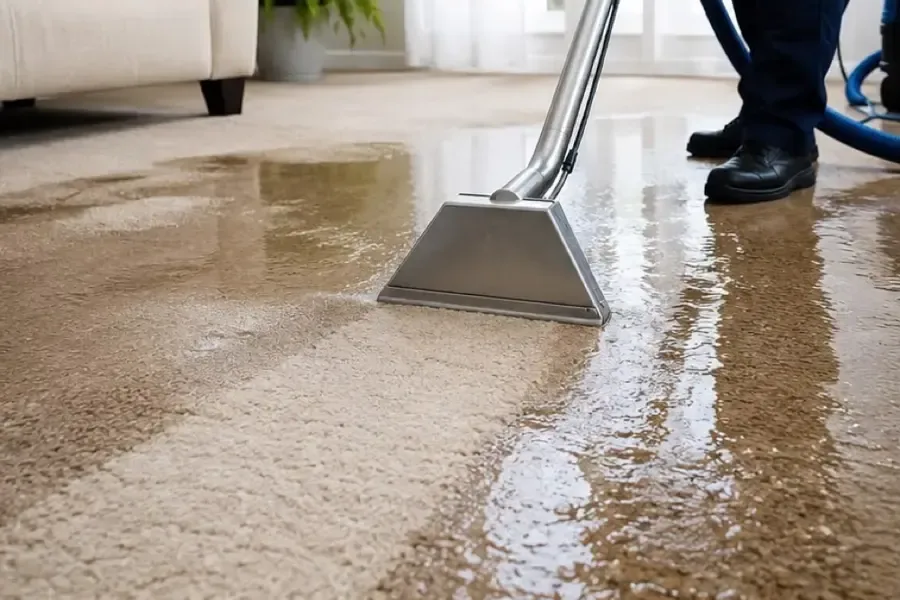
First steps for water extraction and removal
Stop the source
Close the main shutoff or the fixture valve so no new water reaches the floor.
Kill power to wet rooms
Switch off those breakers if the panel is dry, and stay out of water near outlets.
Lift what you can
Move rugs, boxes and furniture off wet carpet; set foil or wood blocks under furniture legs.
Leave the house vacuum alone
A household vacuum is not built for standing water and can short out or shock.
How water extraction and removal is handled
Every gallon removed as liquid is a gallon the dehumidifiers never have to pull out of the air. That is why extraction is the most important step of a dry-out: a truck-mounted unit removes water far faster than evaporation can, and weighted extraction squeezes out the water that carpet pad would otherwise hold for days.
Rapid local response
Active water is treated as urgent at any hour, so the extraction crew starts while the water is still on the surface.
IICRC S500 drying standard
Moisture mapping comes first, then extraction, air movers and LGR dehumidifiers sized to the class of loss.
Claim-ready documentation
The mitigation team keeps a moisture map, daily psychrometric logs and timestamped photos for the adjuster.
Valley water know-how
Slab floors, copper under concrete, hard water and storm runoff with nowhere to drain shape each drying plan.
What does water extraction and removal cost in Sun Valley, CA?
Water extraction here usually runs $400 to $1,800 on its own, and most jobs land between $1,500 and $4,500 once drying is added. The total depends on the square footage, the water category, whether flooring has to come up and how long the water sat.
Extraction only, small area
$400 to $1,800- One room or a hallway
- Truck-mounted or portable extraction
- Moisture readings before and after
Extraction plus drying
$1,500 to $4,500- Two or three rooms
- Air movers and LGR dehumidifiers
- Three to five days of daily readings
Large or contaminated loss
$4,500 to $9,000+- Category 2 or 3 water
- Pad and baseboard removal
- Antimicrobial treatment and full drying
Ranges are typical, not a quote: the water category, square footage, material class and how fast drying started move the number most. The water damage cost calculator gives a closer planning range.
Water Extraction and Removal, step by step
- 1
Walkthrough and moisture map
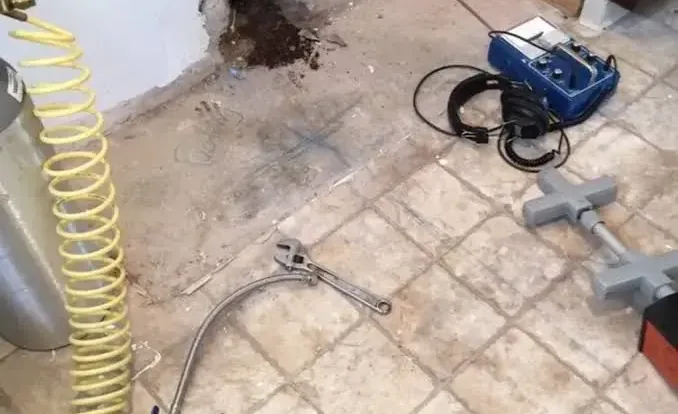
The tech maps where the water went, under flooring and up the walls, with meters and a thermal camera.
- 2
Bulk extraction
Truck-mounted units pull standing water from every wet room, starting where it is deepest.
- 3
Weighted and detail extraction
Carpet gets weighted passes; edges, toe kicks and tile joints get detail work.
- 4
Hand-off to drying
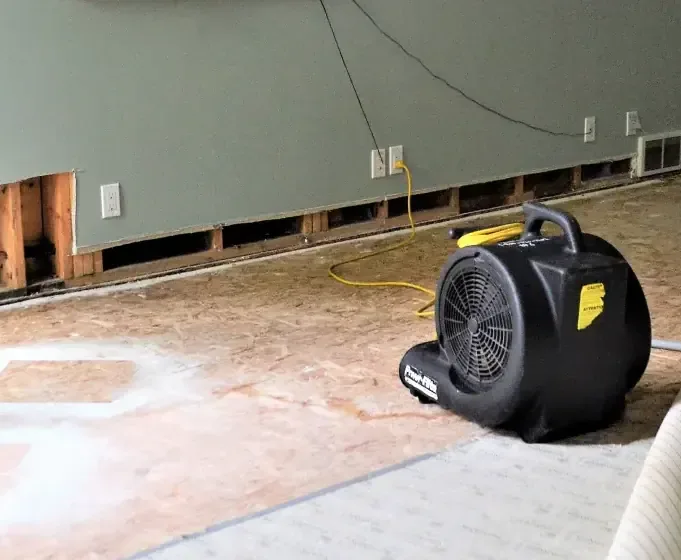
Air movers and dehumidifiers go in, and readings are logged until floors and walls read dry.
Why extraction matters on slab floors
Most homes here sit on concrete slabs. Water that gets under carpet, laminate or a floating floor spreads across the concrete and stays there, because a slab gives up moisture slowly. The extraction crew pulls back or lifts flooring wherever readings show water underneath, so the slab can be dried instead of sealed in.
- Carpet and pad: weighted passes, and the pad usually comes out if it soaked through
- Laminate and floating floors: boards often come up so the slab can dry
- Tile: grout joints and edges are checked for water trapped below
Clean water versus contaminated water
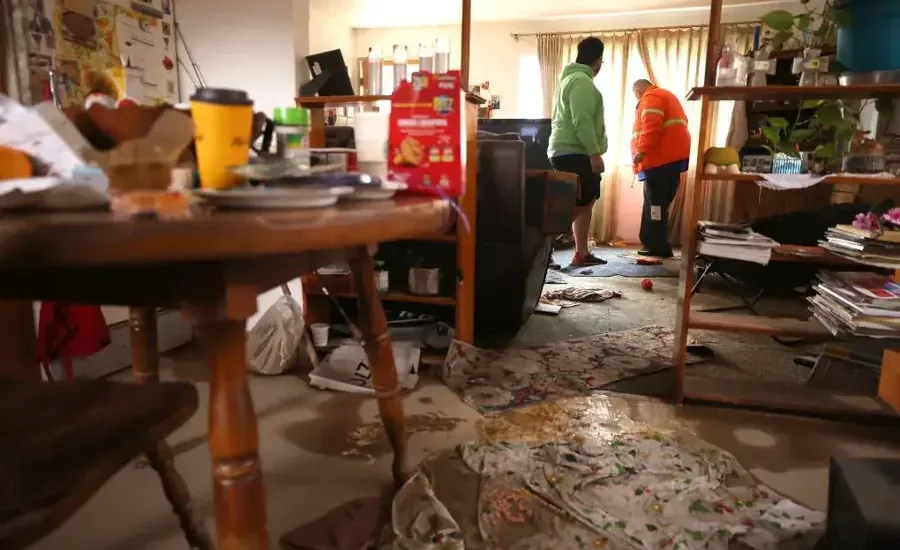
Clean water from a supply pipe or a water heater is extracted and dried in place when drying starts early. Water from a washer drain or a toilet overflow is Category 2 and gets cleaned as well as dried. Storm runoff and sewage are Category 3: the crew wears protective gear, porous materials come out and surfaces get an EPA-registered antimicrobial, as the sewage backup cleanup process lays out. During any flooding, Ready.gov flood safety advice applies: stay out of water near outlets until the power is off.
What happens after the water is out
Extraction ends when the meters stop finding pooled water, not when the floor looks dry. The drying team then sets air movers and LGR dehumidifiers, and structural drying continues until the slab, baseboards and wall bottoms read dry. The EPA explains why wet materials should be dried within 24 to 48 hours in its home moisture cleanup advice.
Water extraction and removal coverage and nearby areas
Coverage runs across ZIP 91352 and 91353, from the river-rock homes of Stonehurst and the streets off Sheldon and Tuxford to the yards along San Fernando Road and the hillside lots toward La Tuna Canyon.
Nearby coverage reaches Burbank, North Hollywood, Pacoima, Arleta, Panorama City, Shadow Hills, Sunland, Tujunga and Lake View Terrace.
Related water damage services
Water Extraction and Removal: common questions
How much water can a truck-mounted unit remove?
Far more than any portable machine or shop vacuum, which is why the extraction crew starts with it whenever the truck can reach the building. Upper floors and tight spaces get portable units.
Can wet carpet be saved?
Often, when the water is clean and drying starts quickly. The pad under it soaks up more water and is usually replaced. Carpet touched by sewage or storm runoff is removed.
Why does the floor still need drying after extraction?
Extraction removes liquid water, but the slab, the bottom of the drywall and the baseboards still hold moisture. Air movers and dehumidifiers pull that out over the following days.
Should I use a shop vacuum before help arrives?
Only for a small amount of clean water, and only where there is no risk from electricity. Large amounts, gray water and sewage are better left to the extraction crew.
Is water extraction covered by insurance?
Extraction after sudden and accidental water, such as a burst pipe, is commonly part of a covered claim. Storm water from outside is often a flood policy question. Coverage depends on your policy, so check with your own insurer.
How long does extraction take?
A single room usually takes a few hours of extraction work, and larger losses take longer. The drying that follows usually runs three to five days for clean water.
Standing water in the house? Call now.
The extraction crew pulls the water, the drying team finishes to the S500 standard, and every reading goes into the claim file.