Sewage Backup Cleanup for San Gabriel Homes
A sewage backup is contaminated water and needs protective gear, not a mop. Crews in San Gabriel contain the area, remove the waste and affected materials, then clean, treat and dry.
(888) 578-6508Report sewage coming up a drain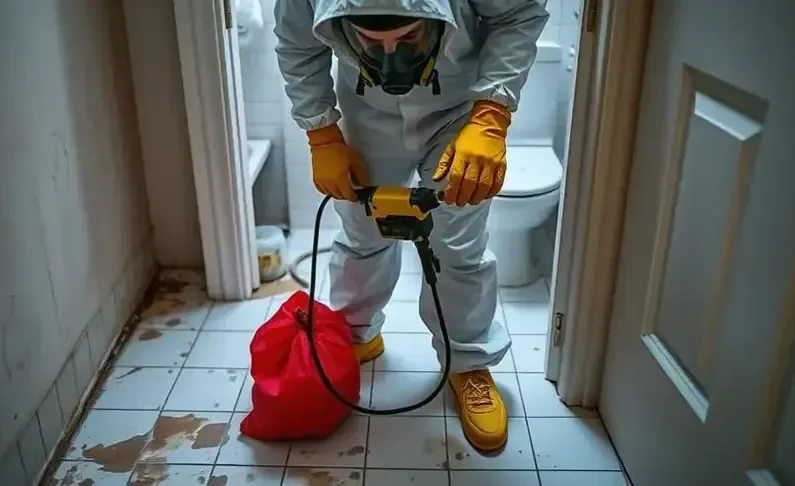
First steps for sewage backup cleanup
Keep away from it
Stay out of the area, keep children and pets away and do not run water.
Do not handle it
Avoid touching waste or wet materials, and never mix household cleaners with sewage.
Photograph it
Take photos of the affected rooms and fixtures from a safe spot for the claim.
Call the crew
Say which drains backed up and how far the water spread.
How sewage backup cleanup is handled
When a drain stops working and sewage comes up through a floor drain, tub or toilet, the water is not just wet, it is contaminated. The right response is containment first, then removal, cleaning and drying. Runoff that reaches a drain follows storm flood cleanup steps.
Rapid local response
Active water is treated as urgent at any hour, so the extraction crew starts while the water is still on the surface.
IICRC S500 drying standard
Moisture mapping comes first, then extraction, air movers and LGR dehumidifiers sized to the class of loss.
Claim-ready documentation
The mitigation team keeps a moisture map, daily psychrometric logs and timestamped photos for the adjuster.
Valley water know-how
Slab floors, copper under concrete, hard water and storm runoff with nowhere to drain shape each drying plan.
What does sewage backup cleanup cost in San Gabriel, CA?
A bathroom or small area usually costs $2,000 to $4,000, and several rooms run $4,000 to $7,500. A large backup that reaches most of a floor costs $7,500 to $10,000 or more, mainly for removal, treatment and drying.
One bathroom
$2,000 to $4,000- Bathroom or hallway
- Containment and waste removal
- Antimicrobial and drying
Several rooms
$4,000 to $7,500- Carpet, pad and lower drywall out
- HEPA air scrubbers running
- Framing cleaned and treated
Large backup
$7,500 to $10,000+- Most of a floor affected
- Wide removal and cleaning
- Extended drying and checks
Ranges are typical, not a quote: the water category, square footage, material class and how fast drying started move the number most. The water damage cost calculator gives a closer planning range.
Sewage Backup Cleanup, step by step
- 1
Contain the area
Plastic sheeting and air scrubbers keep the spill away from clean rooms.
- 2
Remove the waste
Standing sewage is extracted, and porous materials it touched are bagged and taken out.
- 3
Clean and treat
Hard surfaces and framing are scrubbed and treated with an antimicrobial agent.
- 4
Dry and verify
Equipment runs until readings show the structure is dry, and the file is closed.
Who is responsible for the pipe
The city says homeowners are responsible for the sewer pipe that runs from the house to the point where it connects with the main. The main itself belongs to the city's Public Works Department and runs under public streets and, in some places, in easements along the back of private properties. Wastewater then goes to the County Sanitation Districts trunk system.
What cleanup involves
Sewage is handled in stages, and these materials are almost always removed:
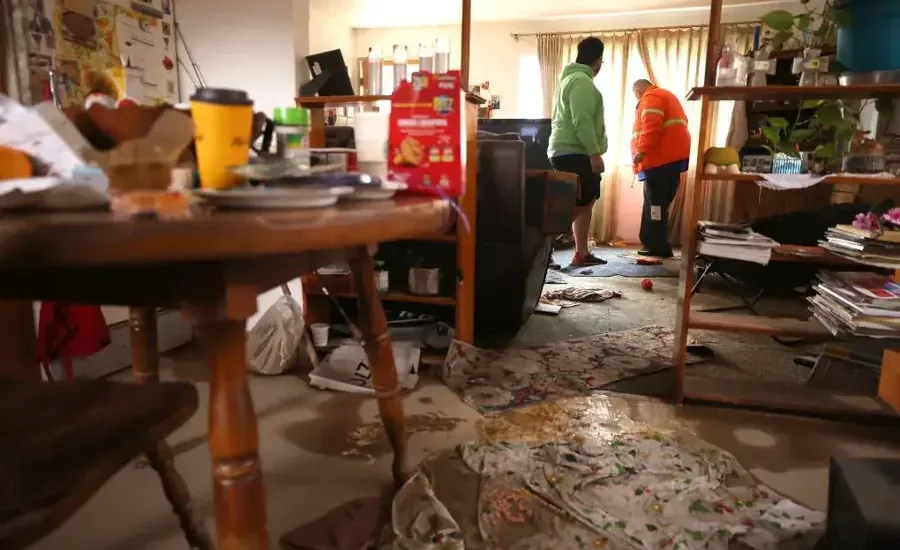
- Carpet and pad that the water touched
- Lower drywall and baseboards
- Insulation inside wet wall cavities
- Cardboard, fabric and upholstered items
- Anything porous that cannot be washed
Cleaning, air scrubbing and drying
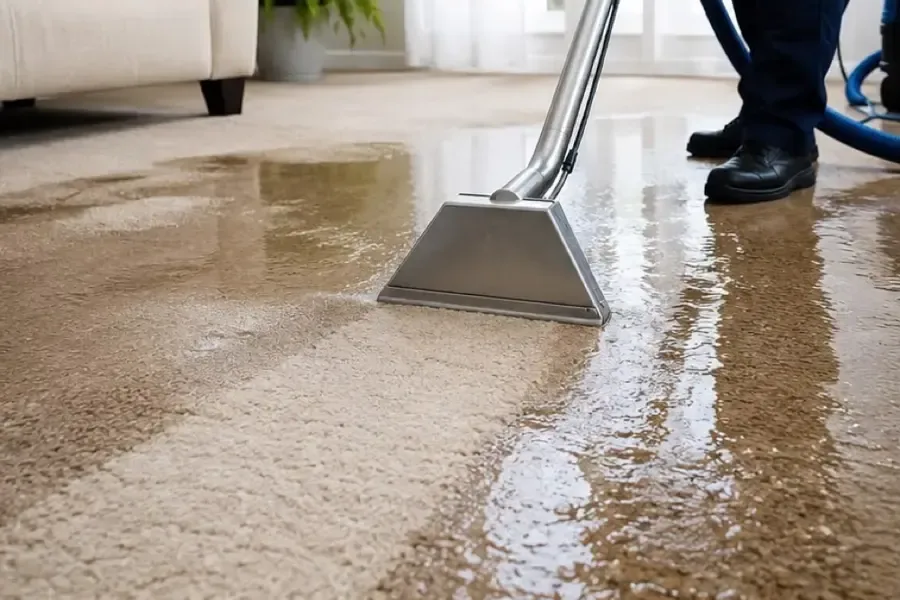
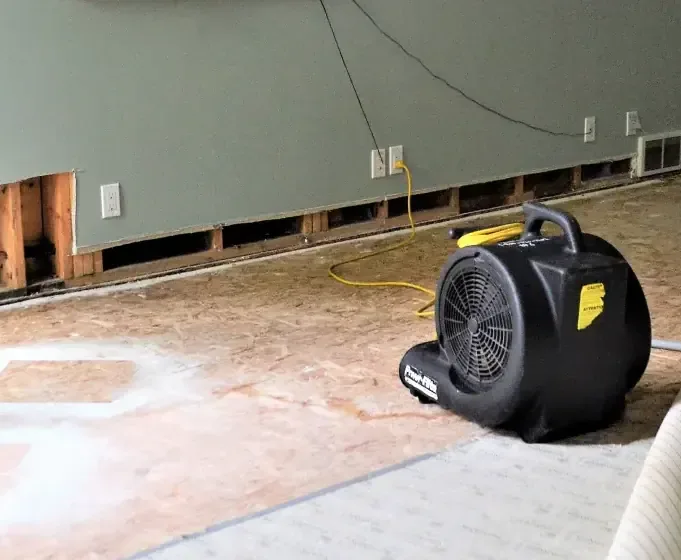
After the waste is removed with water extraction equipment, hard surfaces and exposed framing are cleaned and treated with an antimicrobial. HEPA air scrubbers run during the work, and dehumidifiers and air movers dry the area. The first day or two matter, since mold can start in damp materials left behind.
Reporting a public sewer spill
If sewage is spilling from the public main or a street manhole, rather than from the house pipe, it is reported to the Public Works Department on weekdays and to police dispatch after business hours. The city's 2009 Sewer Master Plan found parts of the public sewer that needed more capacity or structural repair, and a sewer user fee began in fiscal year 2014-15 to fund repairs.
Sewage backup cleanup coverage and nearby areas
Backups are cleaned up across the 91775, 91776 and 91778 ZIP codes, from Rosemont Park and the Mission District to the apartment buildings and Valley Boulevard restaurants where a shared drain can back up.
The same service nearby: sewage backup cleanup in Sun Valley, San Marino, Alhambra.
Water damage restoration in San Gabriel · every town covered
Related water damage services in San Gabriel
Sewage Backup Cleanup: common questions
Can a sewage backup be cleaned with household products?
No. Household cleaners do not make sewage contaminated materials safe, and handling waste by hand is a health risk. Trained crews use protective gear, containment and antimicrobial treatment.
Who should be called first, a plumber or the cleanup crew?
The plumber clears the stoppage so sewage stops coming up, while the cleanup crew contains the spill and removes waste. Calling both early keeps the damage from spreading.
What gets thrown away after a backup?
Carpet, pad, soft drywall, insulation and anything porous that touched the water are usually discarded. Solid items like tile, metal or sealed wood can often be cleaned and treated instead.
How long can sewage sit before mold becomes a worry?
It can start in the first day or two in damp porous materials, which is one reason removal and drying are not delayed once the area is contained.
Does insurance cover sewage backup cleanup?
Coverage for sewer backup is often a separate endorsement on a homeowners policy, so owners should ask the insurer early. The crew's photos, readings and removal lists support the claim either way.
Is a one-time backup different from repeated ones?
Repeated backups point to a stoppage or a damaged pipe that a plumber needs to find, and each event adds to the contaminated materials that have to be removed.
Contain the contamination
Crews contain the spill, remove the waste and what it touched, then clean, treat and dry the area.