AC and Condensate Leak Damage in Sun Valley, CA
Through long, hot Valley summers, an air conditioner produces a steady flow of condensate. When the drain clogs or the pan cracks, that water lands in ceilings and walls; the drying team traces it and dries it out.
(888) 578-6508AC dripping through the ceiling? Call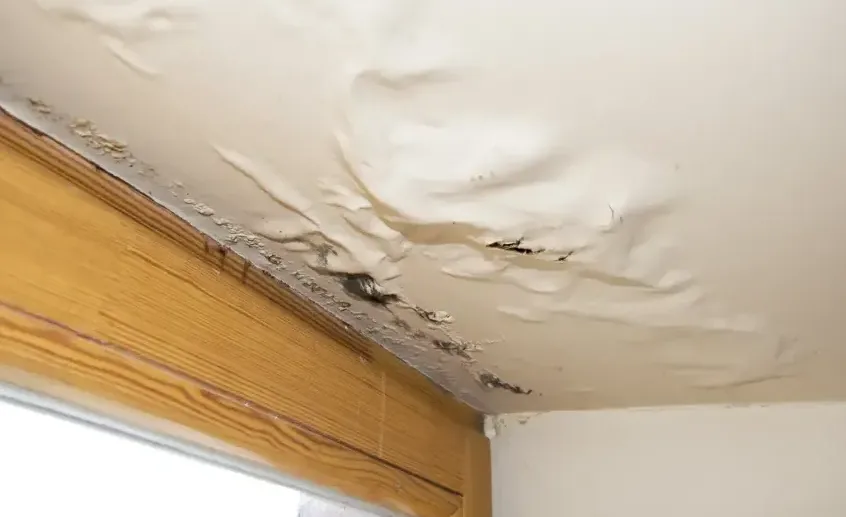
First steps for ac and condensate leak damage
Turn the system off
Switch off the thermostat so no more condensate reaches the pan.
Catch the drip
Put a bucket under the drip and move furniture out from below it.
Check the pan
If the air handler is easy to reach, look for a full pan and a wet attic floor.
Kill wet circuits
Turn off the breaker for lights in a wet ceiling.
How ac and condensate leak damage is handled
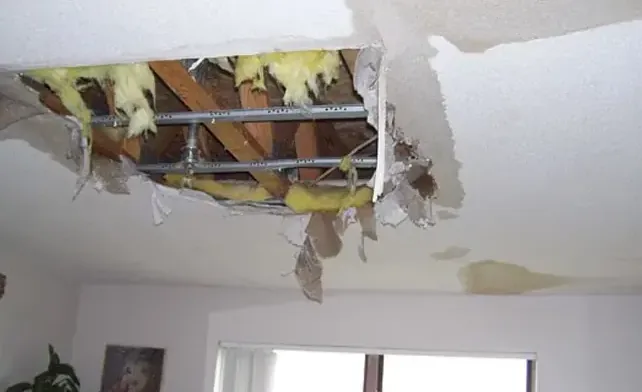
Summers in the northeast Valley are long and hot, so air conditioners run for months. Every cooling system pulls moisture from the air and sends it down a condensate drain. When algae, dust or a kinked tube blocks that drain, the pan overflows, and an air handler in the attic or a closet drips into the drywall below until someone notices a stain or a sagging ceiling.
Rapid local response
Active water is treated as urgent at any hour, so the extraction crew starts while the water is still on the surface.
IICRC S500 drying standard
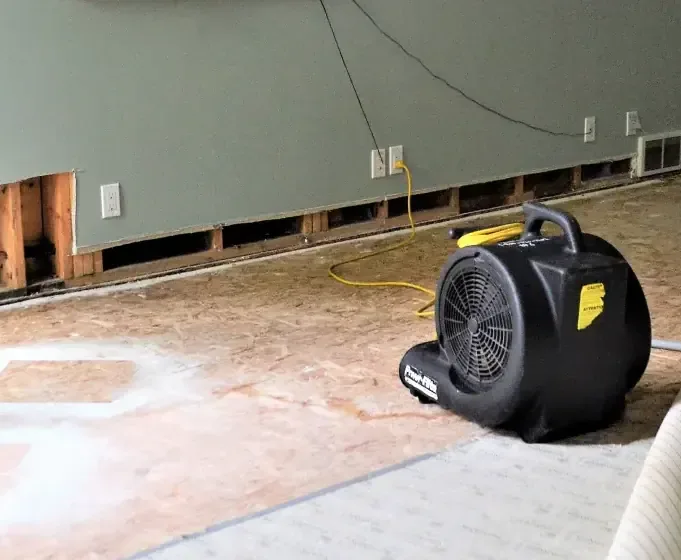
Moisture mapping comes first, then extraction, air movers and LGR dehumidifiers sized to the class of loss.
Claim-ready documentation
The mitigation team keeps a moisture map, daily psychrometric logs and timestamped photos for the adjuster.
Valley water know-how
Slab floors, copper under concrete, hard water and storm runoff with nowhere to drain shape each drying plan.
What does ac and condensate leak damage cost in Sun Valley, CA?
AC and condensate leak drying here usually runs $700 to $4,500, separate from the HVAC repair. The cost depends on whether the water reached a ceiling, how much insulation and drywall are wet and how long the drip went unnoticed.
Closet or small area
$700 to $1,800- Floor and wall bottoms dried
- Baseboards checked
- Two to three days of drying
Ceiling below an attic unit
$1,800 to $3,200- Wet insulation removed
- Ceiling section dried or opened
- Attic and room dehumidification
Long-running overflow
$3,200 to $4,500+- Several ceiling and wall sections
- Drywall and insulation removed
- Extended drying with records
Ranges are typical, not a quote: the water category, square footage, material class and how fast drying started move the number most. The water damage cost calculator gives a closer planning range.
AC and Condensate Leak Damage, step by step
- 1
Find the source
The tech traces the water to the drain, the pan, the pump or the rooftop unit.
- 2
Map the moisture
Meters and thermal imaging show how far it spread in the ceiling and walls.
- 3
Remove what will not dry
Wet insulation and soft drywall come out; firm drywall stays.
- 4
Dry and verify
Air movers and dehumidifiers run until the ceiling and framing read dry.
Common sources of AC water damage
- Clogged condensate drains from air handlers in attics and closets
- Rusted or cracked secondary drain pans under the unit
- Failed condensate pumps on units with no gravity drain
- Rooftop evaporative coolers and package units leaking at the curb
- Iced-over evaporator coils that melt into the pan all at once
Why the damage hides in summer
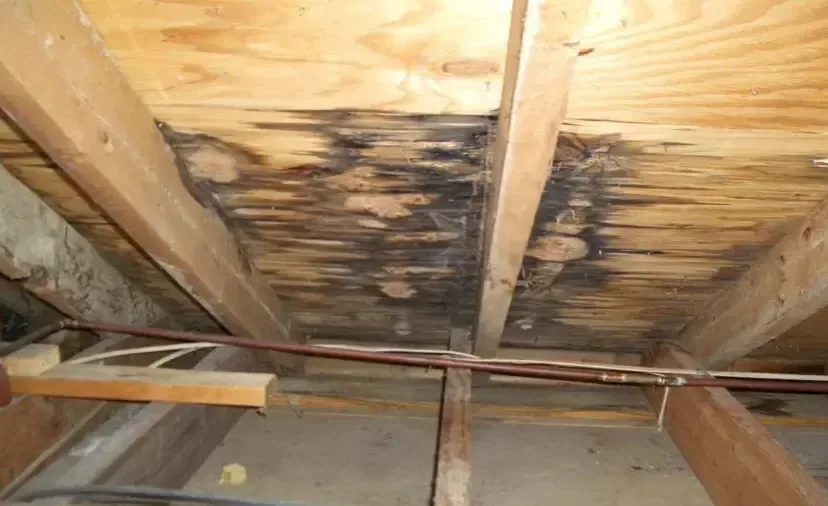
Hot, dry air makes wet surfaces look dry quickly, while the drywall, insulation and framing above a ceiling stay wet. The tech who does the walkthrough uses meters and a thermal camera to find that hidden moisture before deciding what can dry in place. Condensate that sat in a dirty pan can be treated as Category 2, and wet attic insulation usually comes out. Ceilings soaked from plumbing are covered under ceiling leak water damage.
Keeping the condensate drain clear
An HVAC technician can clear the drain, add a float switch that shuts the system off when the pan fills and check the secondary pan. The ENERGY STAR program covers routine cooling system care, and the EPA's indoor air quality pages explain why indoor moisture should be kept in check.
Ac and condensate leak damage coverage and nearby areas
Coverage runs across ZIP 91352 and 91353, from the river-rock homes of Stonehurst and the streets off Sheldon and Tuxford to the yards along San Fernando Road and the hillside lots toward La Tuna Canyon.
Nearby coverage reaches Burbank, North Hollywood, Pacoima, Arleta, Panorama City, Shadow Hills, Sunland, Tujunga and Lake View Terrace.
Related water damage services
AC and Condensate Leak Damage: common questions
Why does an air conditioner leak water?
Most AC leaks come from a clogged condensate drain, a cracked or rusted drain pan, a failed condensate pump or an iced coil that melts all at once.
Can a small AC drip cause real damage?
Yes. A slow drip into an attic or wall can run for weeks in summer, soaking insulation and drywall before a stain shows.
Is AC condensate water dirty?
It starts out fairly clean, but water that sat in a dirty pan picks up dust and growth and can be treated as Category 2.
Who fixes the air conditioner?
An HVAC technician repairs the drain, pan or pump. The restoration team dries and documents the water damage.
Is AC leak damage covered by insurance?
Sudden water damage is often covered, while damage from a long, slow leak or poor upkeep often is not. Coverage depends on your policy, so check with your own insurer.
How long does it take to dry after an AC leak?
Most ceiling and closet losses dry in two to four days once the unit is off and air reaches the wet area.
AC water staining the ceiling? Call now.
The drying team finds the hidden moisture above the ceiling and dries it to a verified reading.