South Pasadena Water Damage Restoration
Burst pipes, leaking ceilings and backed up drains in local homes, apartments and shops are dried with truck-mounted extraction, air movers and dehumidifiers, and every moisture reading is logged for the claim.
(888) 578-6508Tell a coordinator what the water did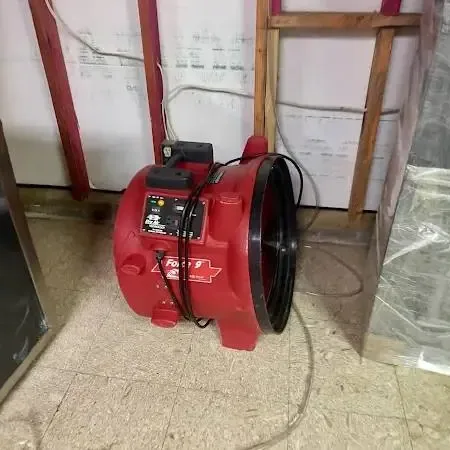
Four moves that limit the damage first
- 1
Stop the source. Shut the valve at the fixture or the main, then switch off power to any wet room if the panel can be reached safely.
- 2
Lift what you can. Pull rugs, cushions and loose items off wet floors, and set foil or wood blocks under furniture legs so stains do not spread.
- 3
Photograph everything. Take wide and close photos of the water, the damaged finishes and any serial tags before anything is moved, and keep receipts for emergency purchases.
- 4
Start the drying. Call for a crew so standing water is extracted and air movers and dehumidifiers are set before wood and drywall swell.
Twelve kinds of water loss, each handled its own way
Each page below covers one type of loss, from a supply hose to a soaked shop floor.
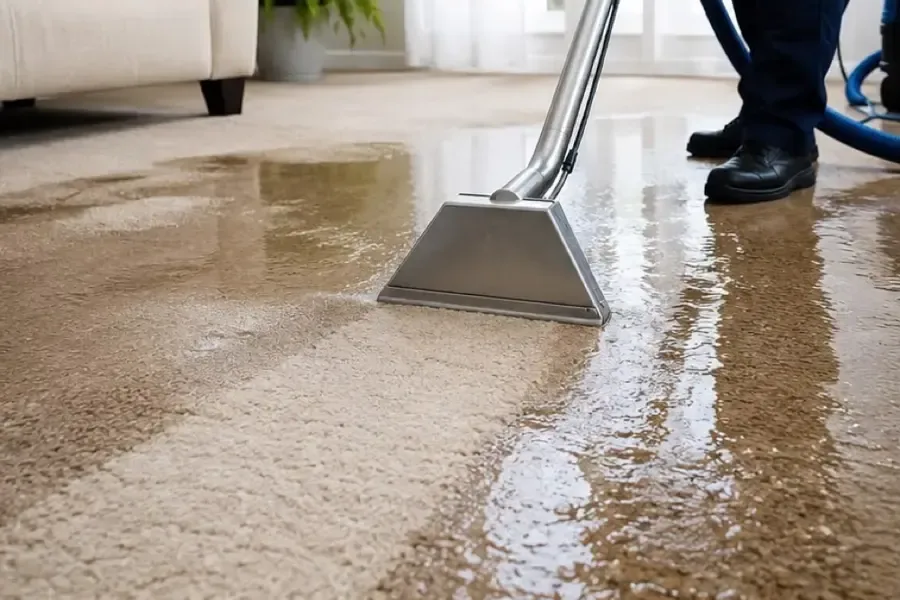 01Water Extraction and RemovalStanding water comes out first, using truck-mounted or portable units, in one room or a whole apartment.See the service
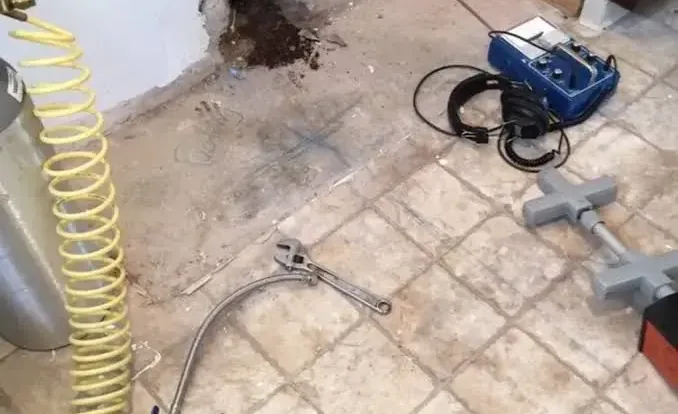 02Slab Leak Water DamageA leak under a concrete floor is traced, the flooring lifted and the slab and walls dried.See the service
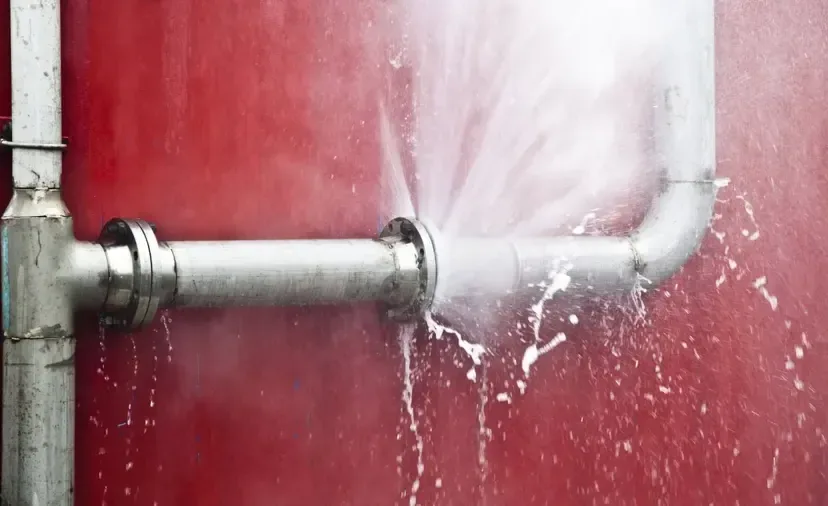 03Burst and Pinhole Pipe LeaksA split or pinhole pipe inside an older wall may need the cavity opened, then dried.See the service
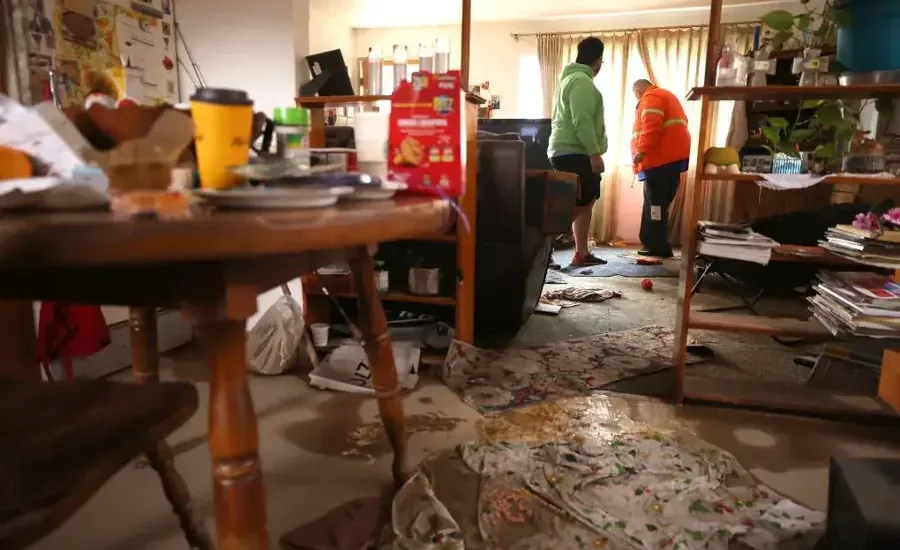 04Storm and Street Flooding CleanupRain that reaches a garage or ground floor is extracted, then walls and flooring are cleaned and dried.See the service
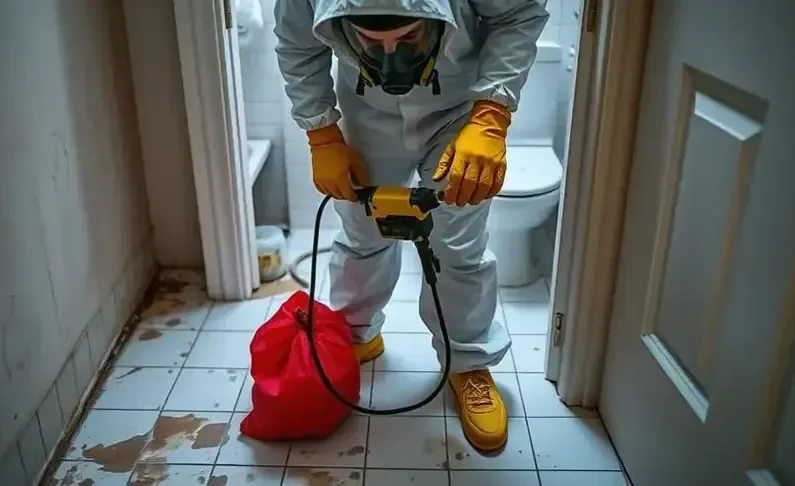 05Sewage Backup CleanupBacked up drains are handled as contaminated water, with affected materials removed, then the area cleaned and disinfected.See the service
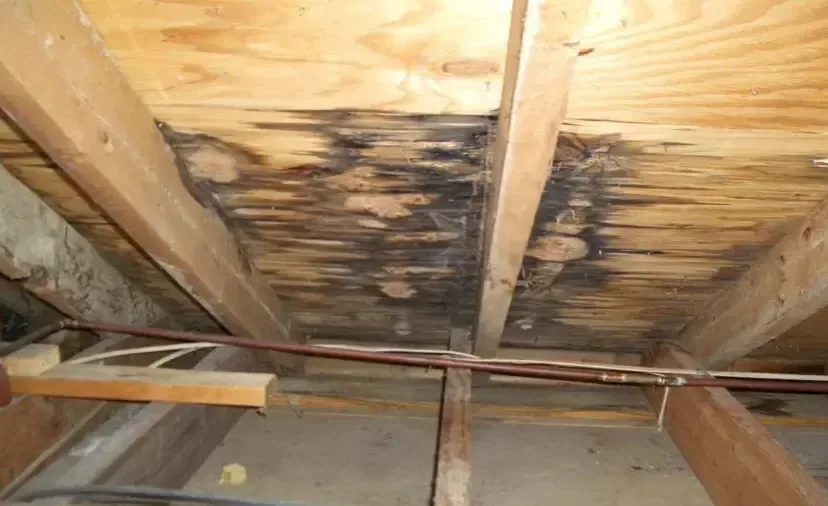 06Roof Leak Water DamageRoof repair and drying the wet attic and ceiling are separate jobs, so the drying need not wait.See the service
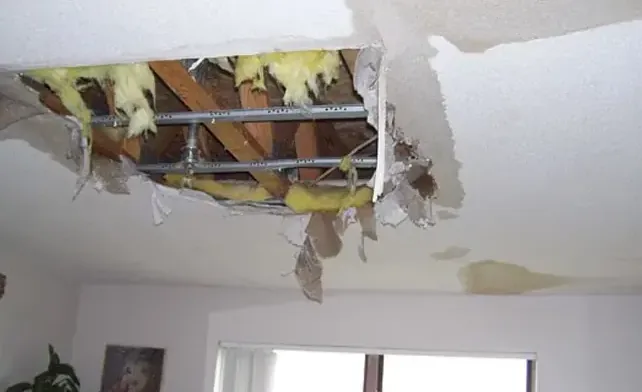 07Ceiling Leak Water DamageStains and sagging ceilings are traced to the source, then the drywall and joist bays are dried.See the service
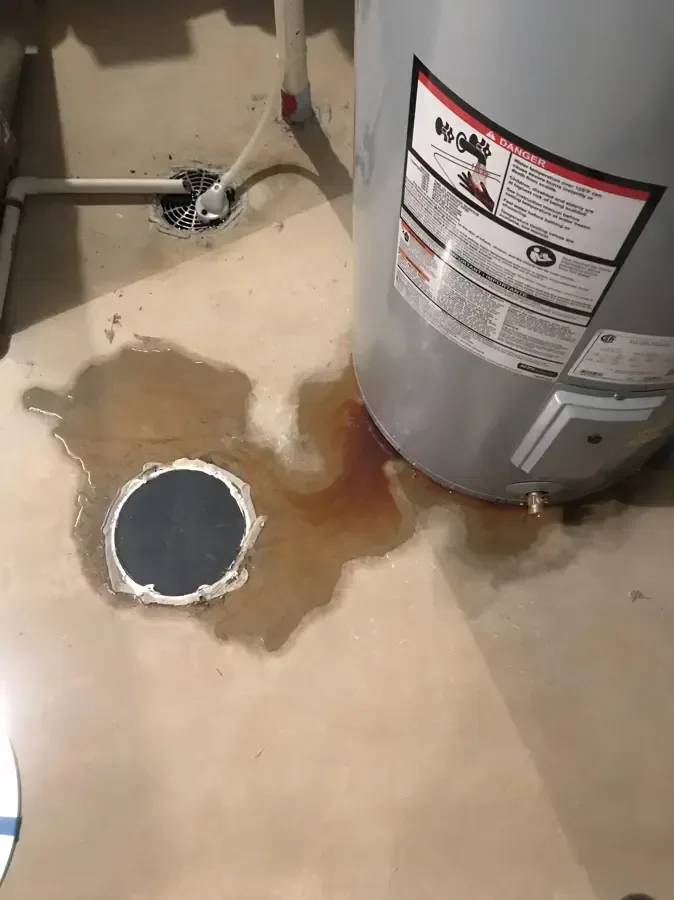
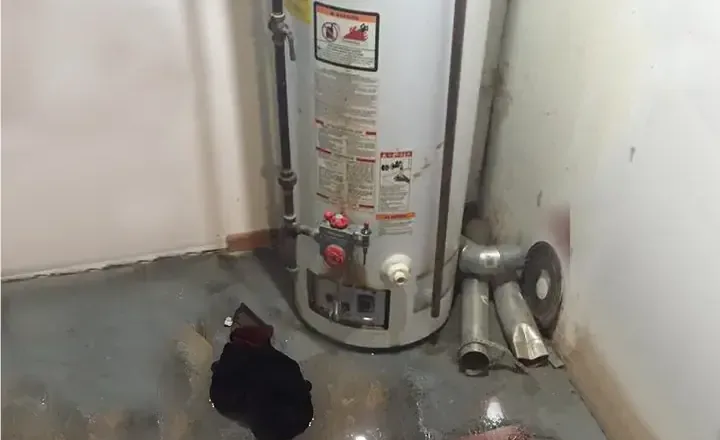 08Water Heater Leak CleanupA leaking tank is shut off, the water extracted, and wet floors and walls checked for hidden moisture.See the service
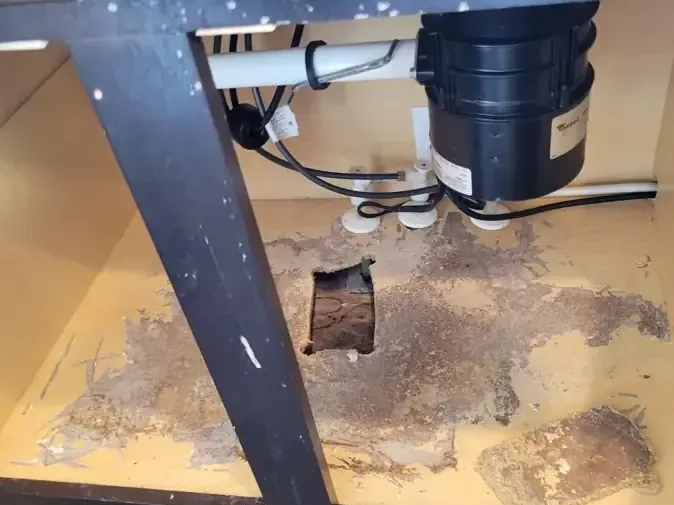
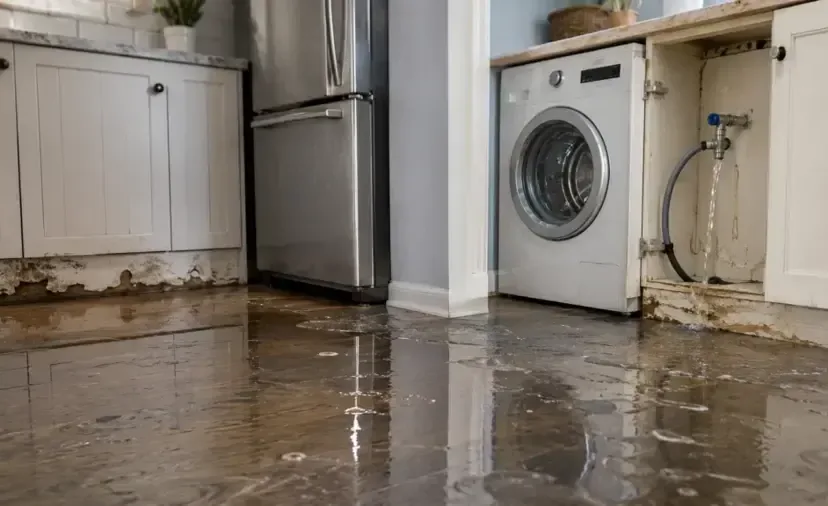 09Appliance and Supply Hose LeaksWasher, dishwasher and refrigerator hose leaks are dried like any supply leak, including under cabinets.See the service
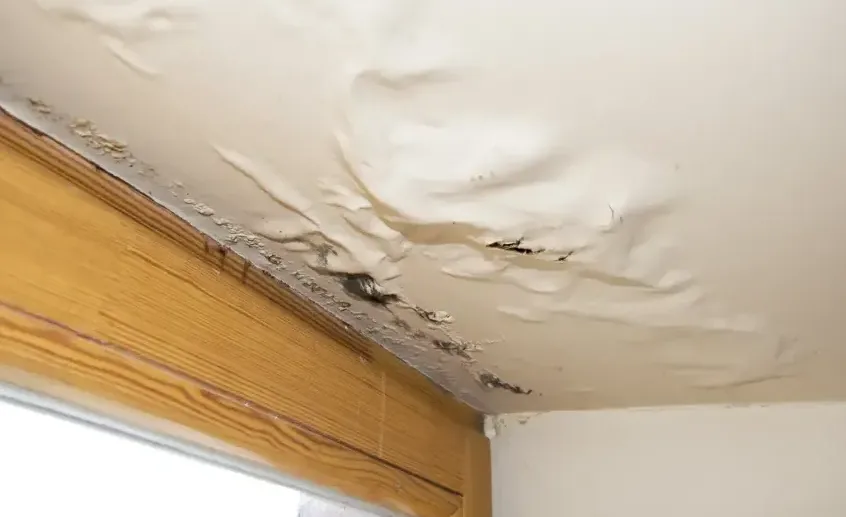 10AC and Condensate Leak DamageA clogged condensate drain or full pan is traced, and the wet ceiling or wall dried.See the service
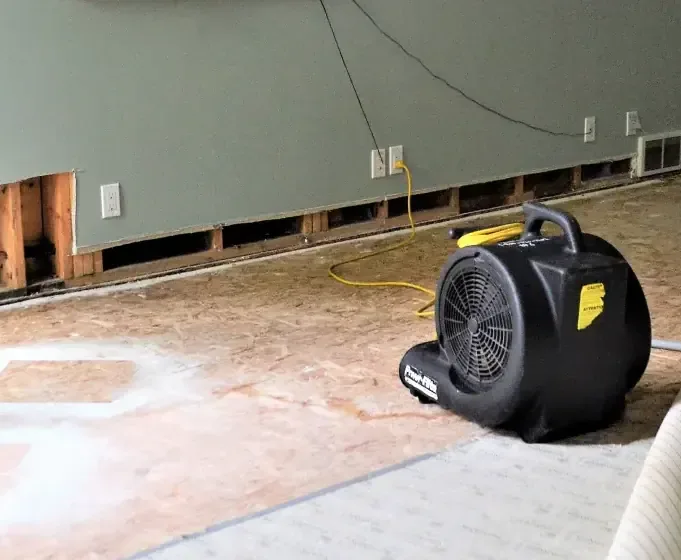 11Structural Drying and DehumidificationOlder floors and wall cavities get monitored drying until moisture readings return to normal.See the service
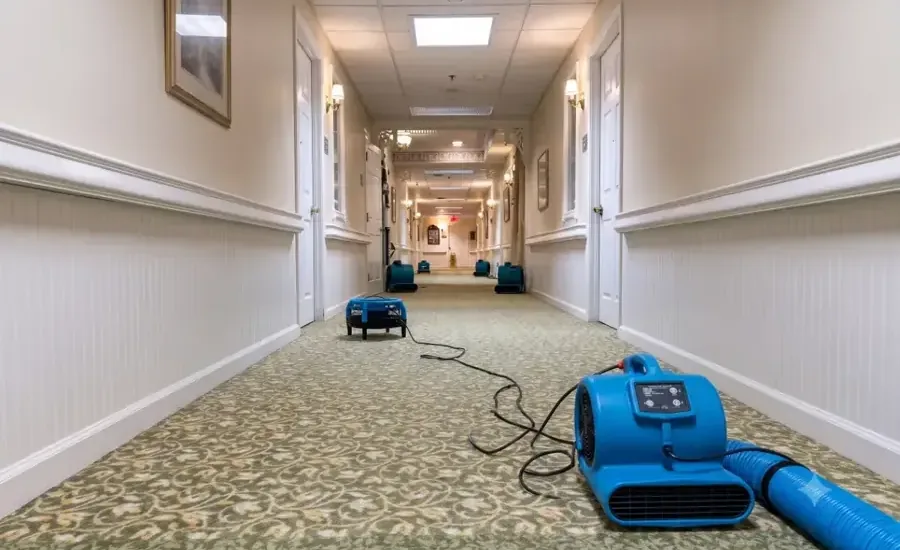 12Commercial and Industrial Water DamageShops and offices along the Mission Street business district are dried in phases so trade can resume.See the service
A drying plan built from moisture readings
- 1
Read the building
Meters and a thermal camera show which floors, walls and ceilings are wet, so the drying plan covers more than the visible stain.
- 2
Remove the water
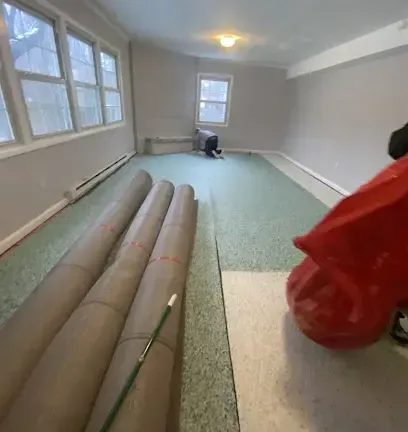
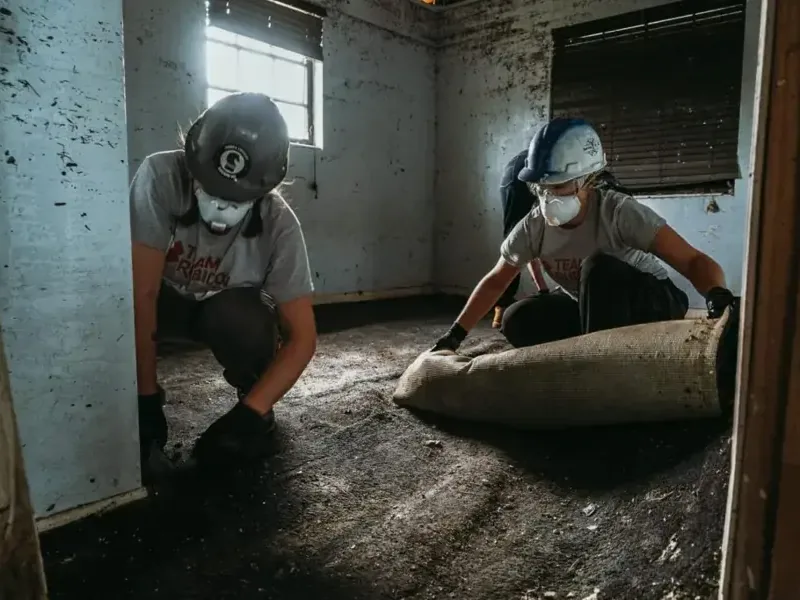
Pumps and extractors take off standing water, and weighted tools press moisture out of carpet pad before it is lifted or discarded.
- 3
Place the equipment
Air movers are aimed along wet surfaces and dehumidifiers sized to the space, with openings cut only where cavities hold water.
- 4
Check until dry
Technicians return to take readings, shift the equipment and decide when each material matches dry reference values.
Four habits behind every drying job
Plans for local housing
Older houses, apartments and shops each dry differently, so the equipment list follows the building, not a fixed package.
Removal only where needed
Materials come out when readings show they cannot dry in place, and everything that can be saved is dried instead.
Records an adjuster can use
Each visit adds readings, photos and equipment notes to a file that the owner and the insurer can open at any time.
Plain answers
Owners and tenants hear what is wet, what is coming out and when the equipment should come off, without jargon.
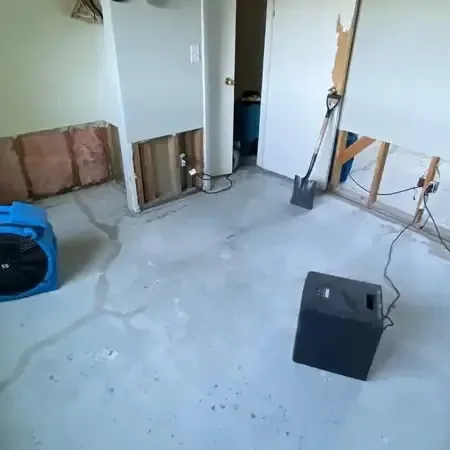
Old buildings hide water, and delay lets it spread
About 94 percent of the housing stock here is over 30 years old, and about 37 percent dates from 1939 or earlier. Water inside older walls and floors can travel a long way before a stain shows, which is where structural drying earns its keep.
Delay lets moisture climb into drywall, swell wood and invite mold within a day or two, so quick water extraction and steady records protect both the home and the claim.
See the full service areaWhat water damage work usually costs here
Most small to medium water losses in local homes cost between $1,200 and $7,500 to dry out, while larger jobs reach $15,000 or more. The final figure depends on the area, the water category, the materials involved and what the moisture readings show.
One room or hallway
$1,200 to $3,500- Extraction and spot drying
- Meter checks on nearby walls
- Two to four days of drying
Several rooms at once
$3,500 to $7,500- Carpet and pad removal
- Baseboards and lower drywall
- Four to six days of drying
Whole floor or building
$7,500 to $15,000+- Wide wall and floor removal
- Antimicrobial cleaning of framing
- Whole-structure drying
Ranges are typical, not quotes; the actual price is set after readings are taken on site.
Tools that find and remove hidden water
Thermal cameras and meters locate water behind walls and above ceilings before anything is cut.
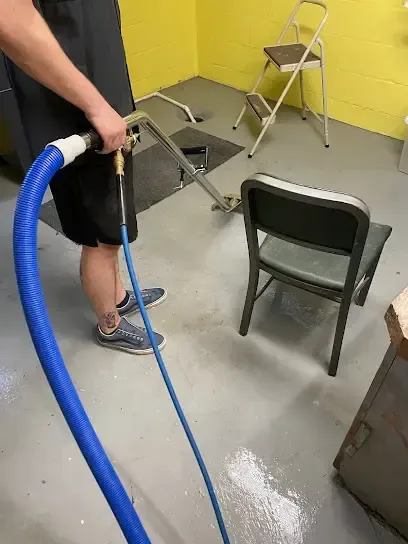
Truck-mounted and portable extractors lift standing water and pull moisture from carpet pad.
Air movers push dry air across wet floors, wall bases and cabinet toe kicks.
Refrigerant dehumidifiers pull moisture from the air so materials keep releasing it, while desiccant units handle dense ones.
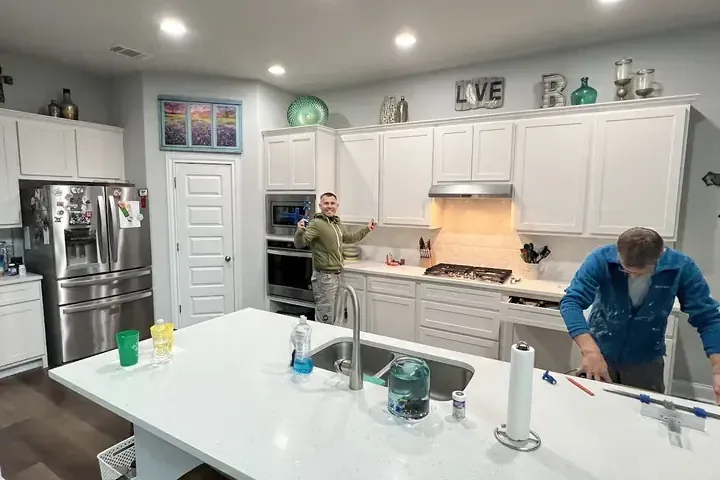
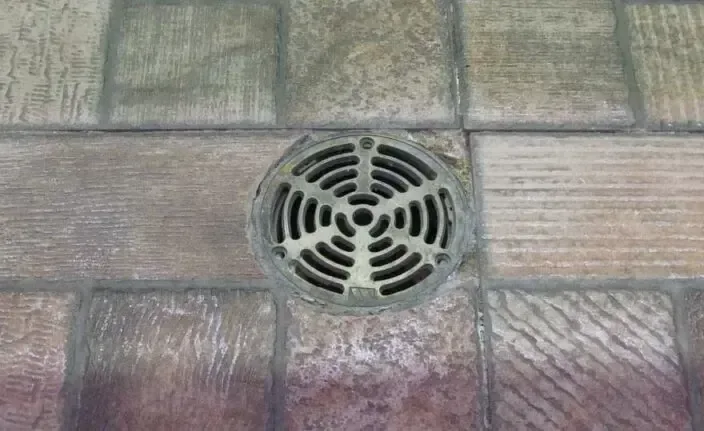
What a drying job looks like
Areas served across the city
Crews work across the city's older districts, apartment blocks and commercial streets, from Oaklawn to the Monterey Hills.
ZIP codes covered
Neighborhoods
- Oaklawn
- Mission West
- Raymond Hill
- Monterey Hills
- Orange Grove
- Garfield Park
- Arroyo Vista
- Marengo
Landmarks and corridors
- Mission Street
- Fair Oaks Avenue
- Huntington Drive
- Fremont Avenue
Nearby communities
Call to talk through what the water has done
A coordinator asks what happened, which rooms are wet and whether the water is still running, then sets up the right crew and equipment for the job.
Three common kinds of water trouble
Standing water
Water that sits on floors from a failed hose, overflow or rain has to be removed before anything else can dry.
Water extractionHidden pipe leaks
A pinhole or split pipe in an older wall can soak insulation and drywall unnoticed for days.
Burst and pinhole leaksBacked up drains
Sewage counts as contaminated water, so soaked porous materials are removed, surfaces disinfected and the space dried afterward.
Sewage backup cleanupRain, old buildings and shared walls shape the risk
The city's emergency plan calls the Arroyo Seco Wash, in the western part of town, the primary flooding threat, and most homes are over 30 years old, so storm water and slow leaks both matter.
- Historic buildings. With five historic districts and more than fifty local landmarks, many buildings call for careful drying that protects original finishes.
- Winter storm prep. Ahead of heavy rain expected from December 23 through December 27, 2025, the city offered sandbags and cleared storm drains and catch basins.
- Unit above, unit below. SCAG data counts 5,337 renter-occupied and 4,670 owner-occupied units, so a leak in one apartment can become a claim in two.
- Water main breaks. A water main broke at Monterey Road and Arroyo Verde Road on August 17, 2024, and no building flooding was reported.
South Pasadena water damage questions
How fast does water damage spread in older homes?
Moisture moves into drywall, baseboards and subfloors quickly, and wicking can carry it well past the visible wet spot. Extraction and drying within a day or two keep swelling and mold in check, and they save finishes that would otherwise be torn out.
What should a renter do after a leak from the unit above?
Photograph the damage, tell the landlord or property manager in writing and call for extraction, since water can keep moving between floors. Keep the readings and photos for any claim, and ask the crew to log which rooms were wet.
What happens to wet carpet and pad?
Carpet can often be saved after clean water is extracted promptly, while pad is usually discarded. Sewage or storm water changes that, because contaminated materials are removed rather than dried. Contents are moved out of the way first.
Does a water heater replacement need a permit here?
The Building Division says a plumbing permit is required for a new or replacement water heater, with no plan check, so ask the city before the swap. Drying the leaked water can start before that work is scheduled.
Is roof repair a separate job from drying the ceiling?
Yes. The Building Division says re-roofing in the same material, roof repair included, needs a permit but no plan check, while the drying of the wet attic and ceiling is handled separately.
How is a sewage backup different from other water damage?
Sewage water carries contamination, so porous materials come out, surfaces are cleaned and disinfected, and drying comes last. Crews wear protective gear and use containment to keep other rooms clean. Anything that touched the water is photographed before disposal.
What should a shop or office owner do after a leak?
Shut off the source, protect inventory and records, and photograph the loss. Businesses in the Mission Street historic business district can ask for phased drying so part of the space keeps working.
Can storm water in a garage be dried out?
Yes. Water is extracted, wet drywall and baseboards are checked, and fans and dehumidifiers bring the area down to dry readings. Storm water carries dirt, so cleaning comes before rebuilding.
What records does the adjuster usually ask for?
Adjusters commonly ask for dated photos, moisture readings, equipment logs and a list of discarded items. These are kept for each visit and shared with the owner. Asking for them at the start of the job avoids a scramble later.
Why does the drying take several days?
Materials release moisture slowly, so equipment keeps running while readings are checked daily. Hardwood, plaster and concrete take longer than drywall or carpet. Equipment stays until the final reading confirms the structure is dry.
Get the water out before the damage settles in
A short call is enough to start planning extraction, equipment and records, and the crew can explain each step before work begins.