Water Damage Restoration in Alhambra, CA
Across Alhambra, water in a Mayfair Tract home, a Main Street apartment or a Valley Boulevard shop travels farther than it looks. Crews pull it out, open the soaked spots, dry the structure and log readings for the claim.
(888) 578-6508Talk to a drying crew about the leak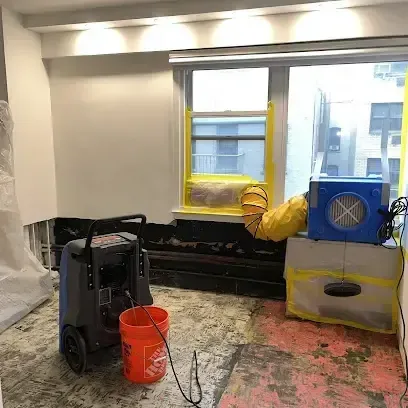
Four moves that limit the damage right away
- 1
Stop the source. Close the shutoff at the fixture or the main, and turn off power to wet outlets. A split hose often stops with one turn.
- 2
Lift what can move. Pull rugs, books and small furniture out of the wet area. Foil or wood blocks under heavy legs keep stain off the finish.
- 3
Photograph everything. Take wide and close photos before anything is moved or thrown out. Renters should send the same pictures to the landlord or manager.
- 4
Call for drying. Describe the rooms, the cause and whether the water is clean or from a drain. That decides the equipment and the order of work.
Water problems the crews handle across town
Each service below fits one kind of loss, from a quiet pinhole leak to a flooded shop.
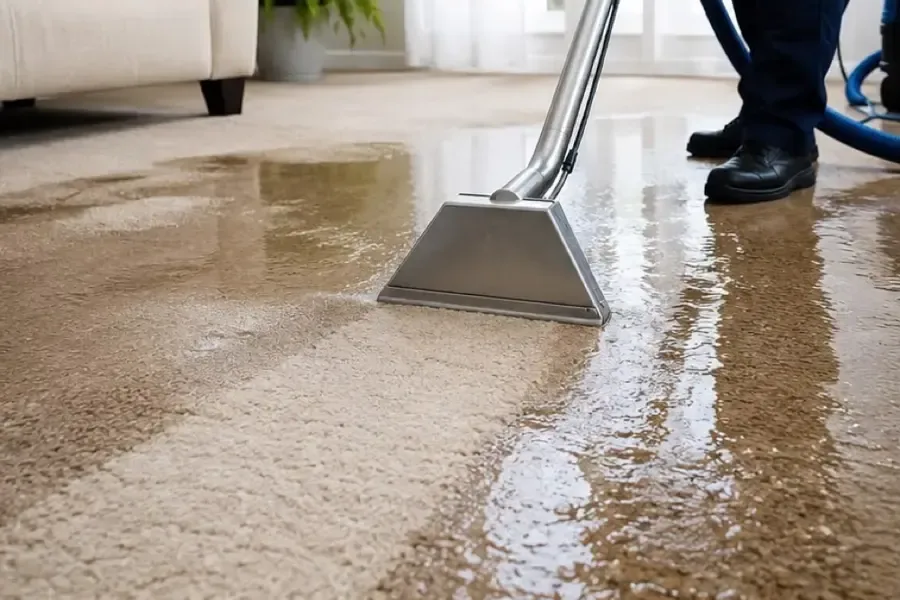 01Water Extraction and RemovalPumps and wands pull standing water and soaked pad from carpet and floors before it reaches another room.See the service
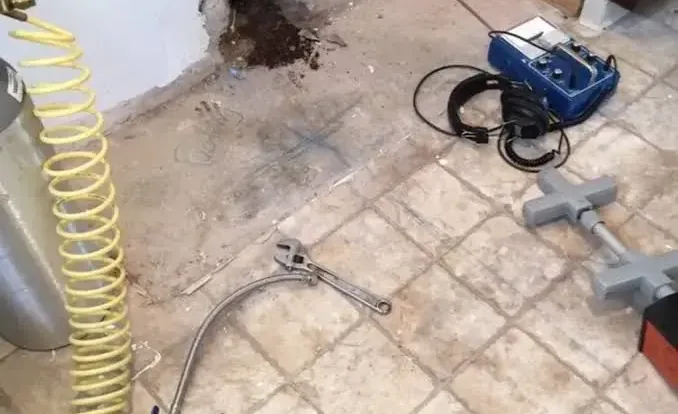 02Slab Leak Water DamageDamp flooring or a warm spot can mean a leak below. Testing finds it, then drying begins.See the service
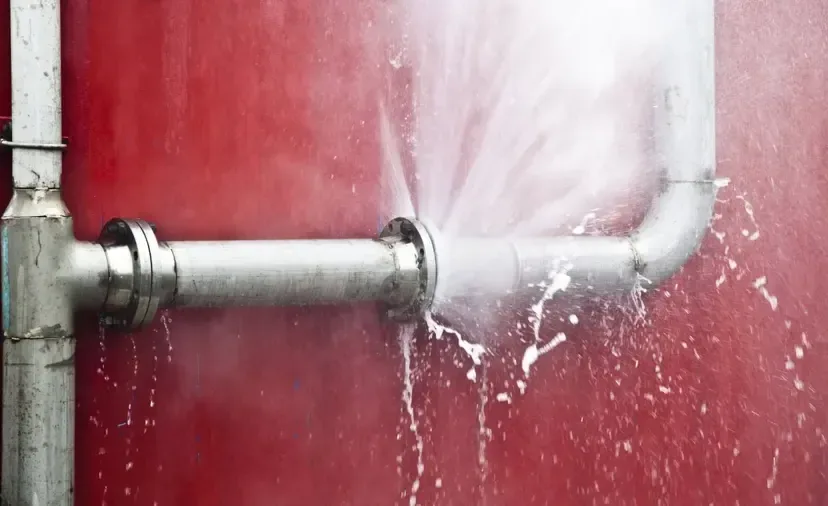 03Burst and Pinhole Pipe LeaksSplit pipes and slow pinholes soak wall cavities. Crews cut small openings, remove wet insulation and dry the rest.See the service
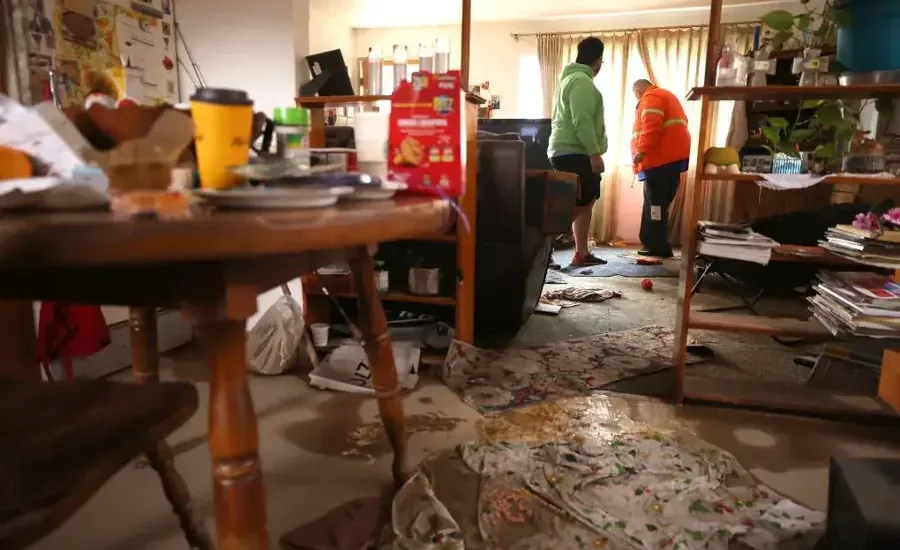 04Storm and Street Flooding CleanupHeavy rain that beats a roof or doorway sends muddy water across floors. Cleanup covers pumping, debris and sanitizing.See the service
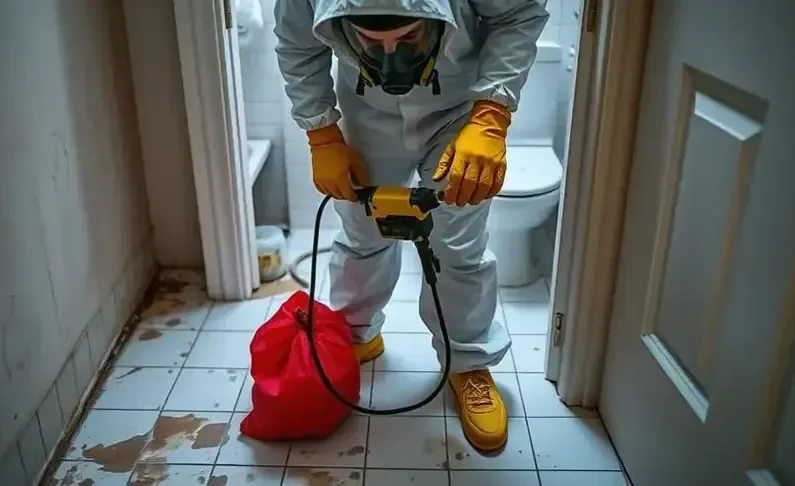 05Sewage Backup CleanupA backed up drain pushes contaminated water into floors and carpet. Containment, removal and antimicrobial cleaning follow.See the service
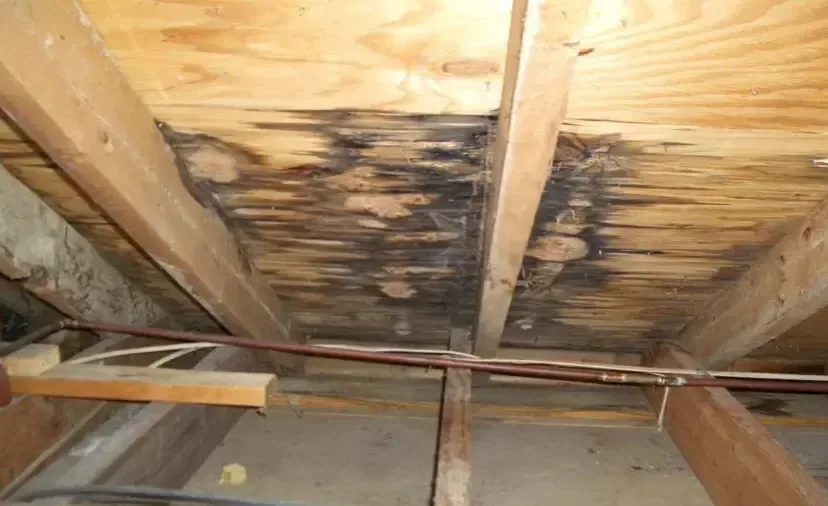 06Roof Leak Water DamageRain past worn flashing or shingles wets attic insulation and ceilings. Drying covers the attic and the rooms below.See the service
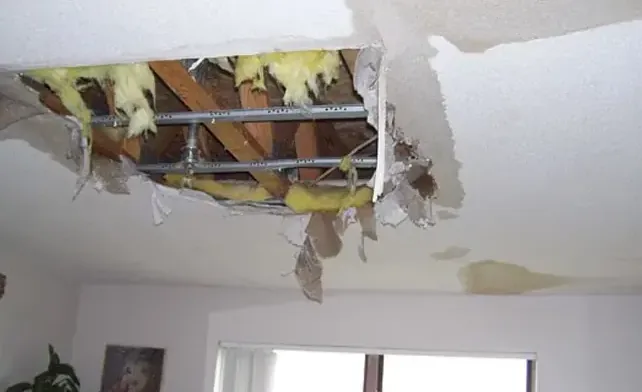 07Ceiling Leak Water DamageA brown stain or sagging drywall means water is sitting above. Crews trace it and dry the joists.See the service
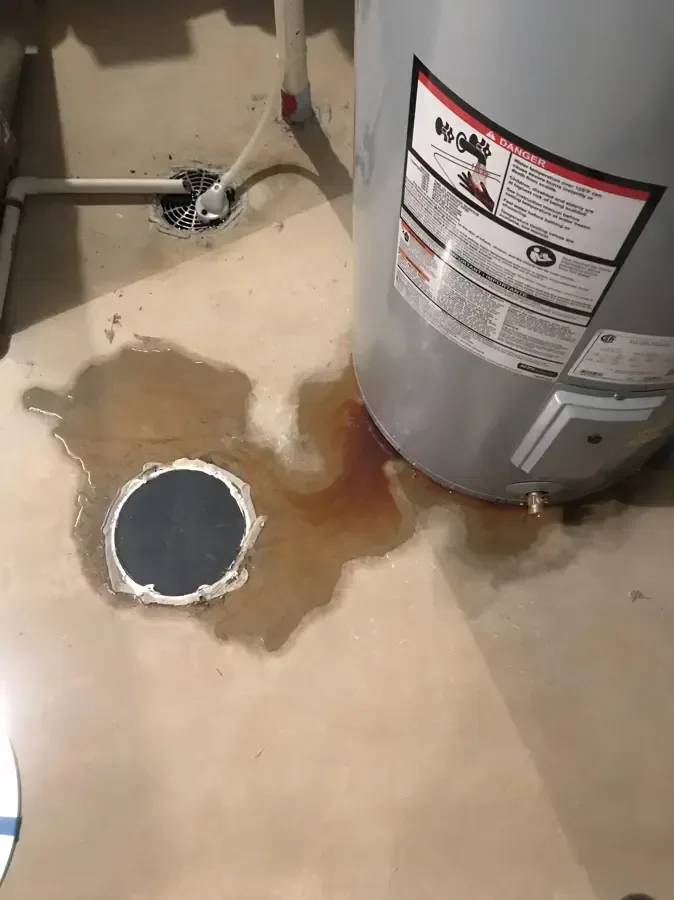
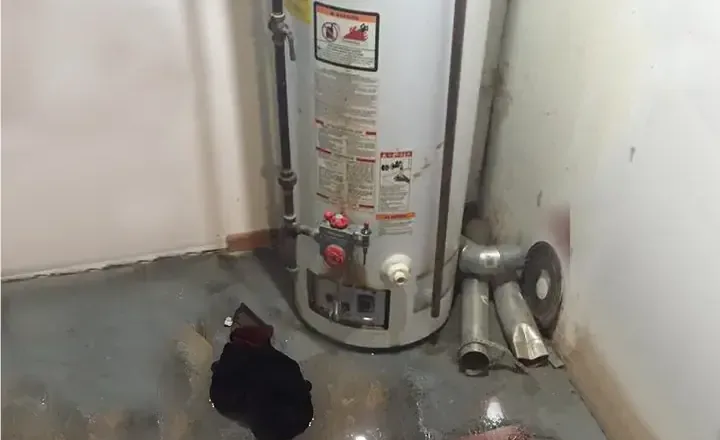 08Water Heater Leak CleanupA weeping or failed tank floods a garage, closet or hallway. Extraction and drying follow.See the service
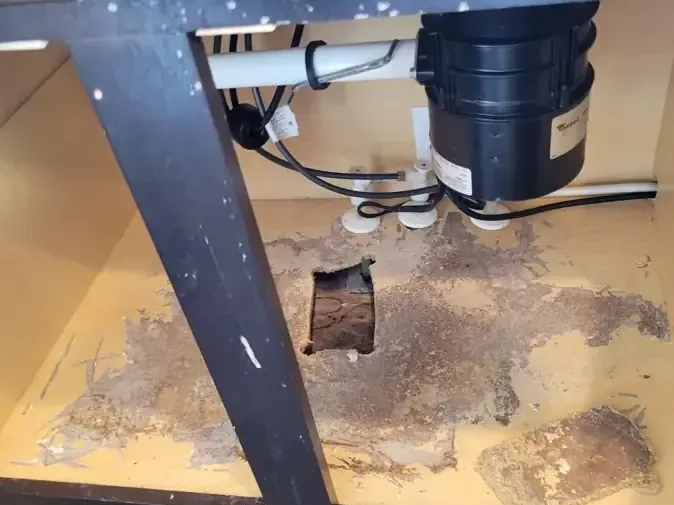
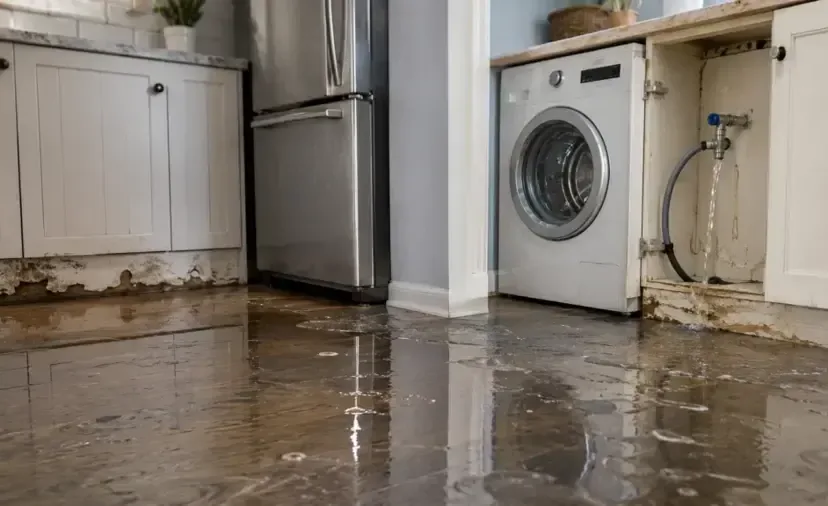 09Appliance and Supply Hose LeaksWashers, dishwashers and supply hoses leak behind cabinets and walls. Drying reaches the places the water hides.See the service
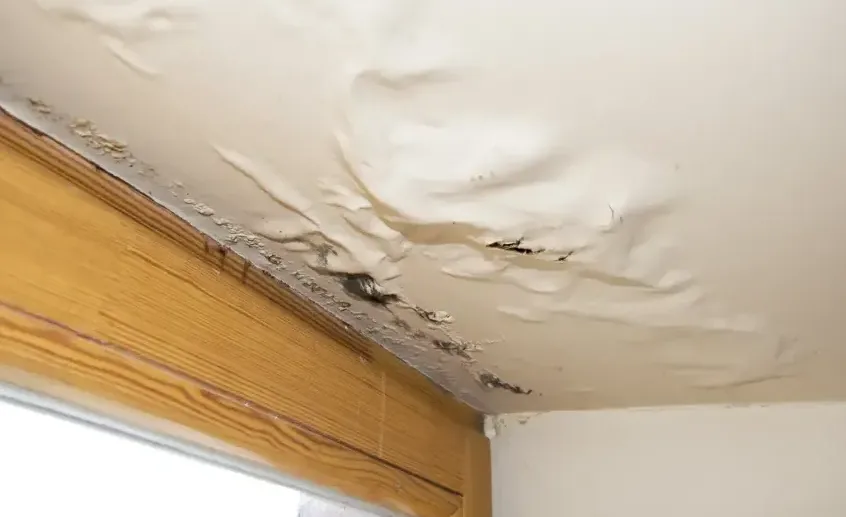 10AC and Condensate Leak DamageA clogged condensate drain overflows into a closet or ceiling. Wet insulation comes out and the framing is dried.See the service
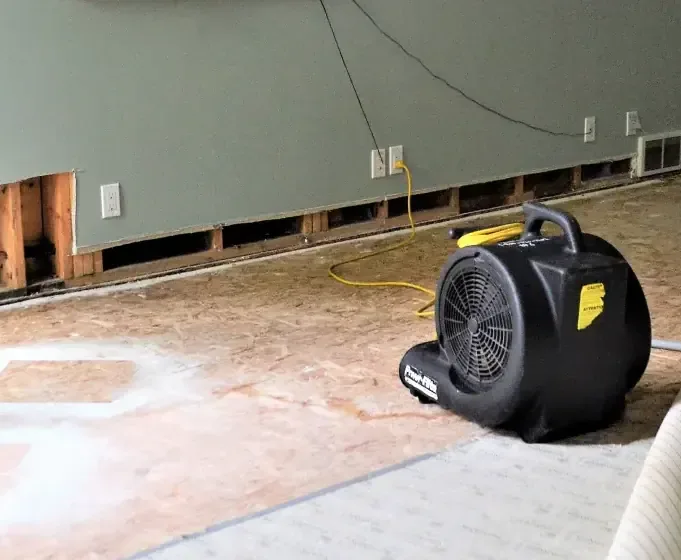 11Structural Drying and DehumidificationLGR dehumidifiers, air movers and meters pull moisture from framing and subfloors that look dry on top.See the service
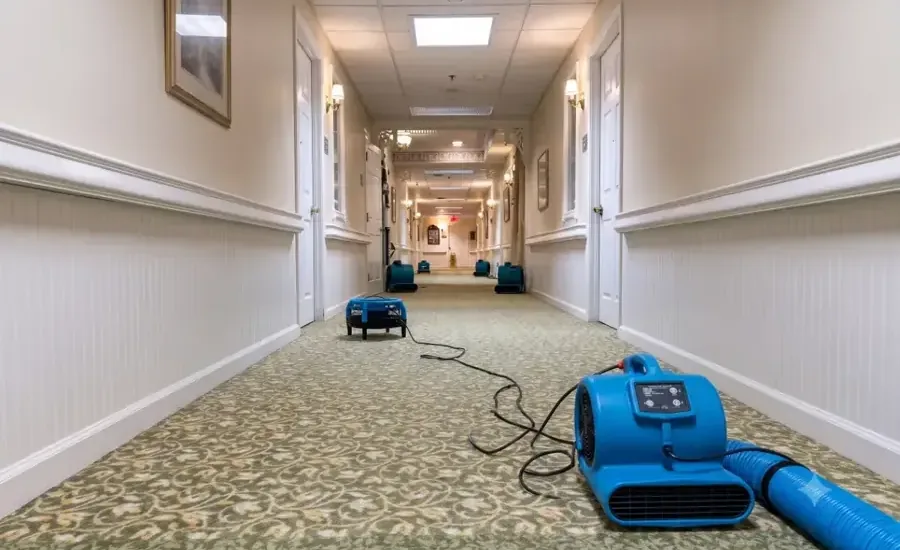 12Commercial and Industrial Water DamageShops, offices and mixed-use buildings get phased drying, containment from neighbors and records for the manager.See the service
A drying plan built on readings, not guesses
- 1
Read the walls
Moisture meters and a thermal camera trace the water through drywall, baseboards and floors to the edge of the wet zone.
- 2
Remove the water
Pumps and wands pull standing water, then weighted tools press pad and carpet so less moisture is left to evaporate.
- 3
Place the equipment
Air movers sweep surfaces while LGR dehumidifiers dry the air. Placement follows the moisture map, room by room, and changes as areas dry.
- 4
Check and release
Daily readings show progress and any slow spots. Equipment leaves only when materials reach the dry goal set on the first day.
How crews handle water in older and newer buildings
Crews who know the streets
Work runs through the tracts, apartment blocks and commercial streets of town, so a first call turns into a practical plan.
Measured drying
Goals are set from readings taken on day one, then checked each visit until wood, drywall and plaster match the dry goal.
Records for the claim
Photos, moisture logs and equipment notes are kept for each job, so an adjuster or manager can follow what happened.
Honest scope
Only materials that cannot be dried are removed, and the crew explains each cut before it is made.
Why water travels far through Alhambra buildings
About 74 percent of the city's housing was built before 1980, and renters are the larger group of households. Older construction and shared walls give water more places to go before anyone sees a stain, so water extraction comes first.
A fast start limits what has to be torn out. Hardwood, plaster and drywall that are dried early often stay in place, which keeps the repair scope and the bill smaller for owners and tenants alike.
See where the crews workWhat water damage restoration usually costs
Most jobs land between $1,200 and $15,000 or more. The water source, the number of wet rooms and how long the water sat set the price. Clean water costs less than sewage, and bigger losses need more equipment days and more visits.
One room caught early
$1,200 to $3,500- Extraction and wet pad removal
- One dehumidifier and a few air movers
- Daily moisture readings
Several rooms affected
$3,500 to $7,500- Wet drywall and baseboards cut out
- LGR dehumidifiers for several days
- Cavity drying and cleaning
Whole level or sewage loss
$7,500 to $15,000+- Contaminated material removed
- Wide flooring and wall removal
- Whole-structure drying
These are typical ranges. Moisture readings from the first visit set the real figure.
Equipment brought to every job
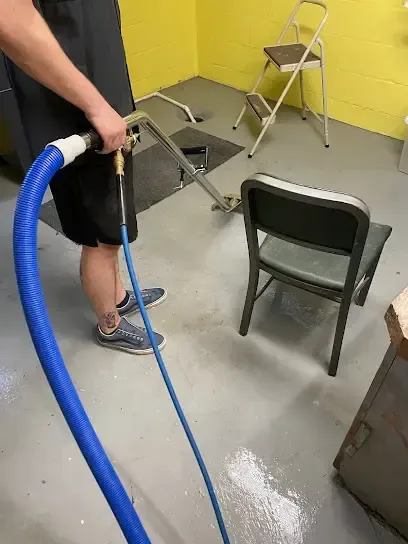
Truck-mounted and portable extractors pull water from carpet, pad and hard floors.
LGR dehumidifiers pull moisture from the air so wood, drywall and plaster release what they hold.
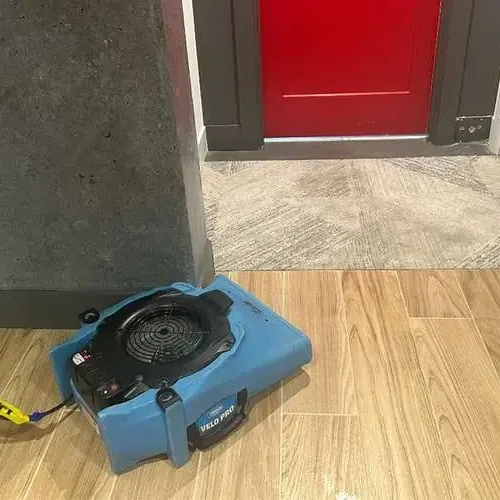
Air movers push dry air across floors and low walls, and they slide under cabinets too.
Moisture meters and a thermal camera find wet materials that look dry, then confirm when they are.
Typical water damage jobs, step by step
Where the crews work
Calls come from houses, condos and apartments in these ZIP codes and from the older tracts and busy corridors listed below.
ZIP codes covered
Neighborhoods
- Mayfair Tract
- Midwick Tract
- Bean Tract
- Ramona Park Tract
- Emery Park Tract
- Lindaraxa Tract
- Airport Tract
Landmarks and corridors
- Main Street
- Garfield Avenue
- Valley Boulevard
- Atlantic Boulevard
Nearby communities
Tell a crew what happened and get a plan
Describe the leak, the wet rooms and the kind of water, and the crew explains the first steps. Water emergencies in Alhambra do not follow business hours, and neither does the schedule.
Common calls from homes, condos and shops
Standing water indoors
Heavy leaks leave carpet and pad soaked, and pulling the water out first stops it wicking up the walls.
Water extractionLeaks between units
A washer or dishwasher leak in one condo can reach the unit below, so drying often covers two homes.
Appliance leak dryingDrain and sewage backups
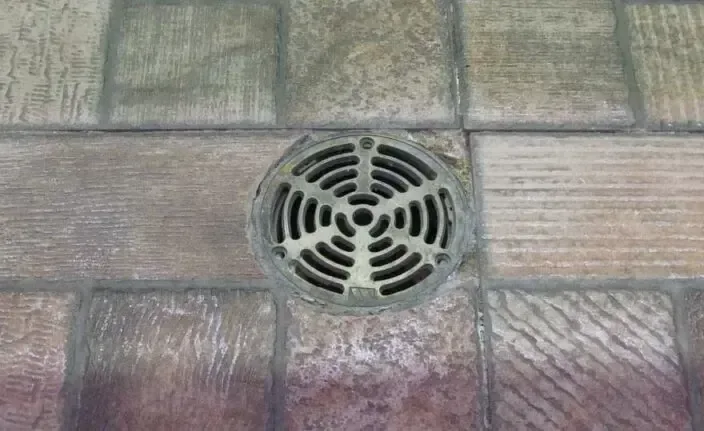
A backed up sewer drain means contaminated water, which calls for containment, removal and cleaning, not just drying.
Sewage backup cleanupLocal conditions that shape water damage in town
Alhambra is a western San Gabriel Valley city of historic tracts, apartment blocks, mixed-use buildings and a busy downtown. Four local conditions shape how water damage tends to start, and how far it travels before anyone notices.
- Older buildings. About 74 percent of the housing stock predates 1980, so a hidden leak in older construction can run long before a stain shows.
- Clay sewer pipes. About 99 percent of the city's sewer system is vitrified clay pipe, and the city code ties fats, oils and grease to backups.
- Shared walls and floors. Condominiums, rental apartments and mixed-use buildings are common downtown, so one unit's leak can become several claims.
- Rain and storm drains. FEMA lists the city as non-flood prone, and storm drains carry runoff to the Los Angeles River. Heavy rain still finds roofs and doorways.
Water damage questions from owners and tenants
What happens first when a pipe bursts at home?
Close the main shutoff, switch off power to wet areas and photograph the damage. Then call for extraction so the water is removed before it soaks into drywall, baseboards and flooring, because every extra day widens the repair.
How many days does structural drying usually run?
Most jobs run three to five days. Dense materials like plaster, hardwood and concrete take longer, and a leak that ran for weeks needs more time than a fresh spill. Daily readings set the end date for structural drying, not a calendar guess.
Should renters tell the landlord about a leak?
Yes. The property owner or manager handles the building and its insurer, and should see the photos and moisture records. In a condo, the association may need to hear about it as well, so tell both quickly.
Can a leak in one apartment damage the unit below?
Yes. Water follows ceilings, wall cavities and gaps around floors. Drying often covers the source unit and the one below, and neighbors are told early so each home is read and logged on its own, which keeps the records clean.
What makes sewage different from clean water?
Sewage carries bacteria, so carpet and pad are removed rather than dried, and hard surfaces are cleaned and treated. Category 3 water is never handled as a simple drying job, and sewage backup cleanup keeps the area contained until cleaning is done.
Does homeowners insurance cover water damage?
Sudden leaks are often covered and slow seepage often is not, but every policy differs and the adjuster decides. Photos and daily moisture logs give a claim a clear record of cause and scope, which speeds up the conversation.
Who repairs the pipe that caused the leak?
A plumber repairs the pipe, and the city's municipal code requires a plumbing permit for plumbing repairs. The drying crew handles the water, so the usual order is stop the leak, repair it, then dry the structure.
How fast does damp drywall become a problem?
Mold can begin growing on wet materials in 24 to 48 hours, which is why standing water and soaked drywall come first. Fast extraction and drying are the best prevention, and they cost far less than rebuilding later.
What happens on commercial jobs along Main Street?
Shops and restaurants get phased drying so the business can reopen sooner, with sheeting that separates wet areas from dry ones. On food service jobs the grease removal device and drains are checked, since the city code covers grease control.
What if rain or a street flood brings water inside?
The city is classed as non-flood prone, yet heavy rain can still push water through doors and roofs. Muddy storm water counts as contaminated, so cleanup includes removal and sanitizing along with drying, not just a quick mop.
Get the water out before it spreads further
A burst pipe, soaked ceiling or sewer backup only gets worse the longer it sits. Call now and the crew walks through the first steps.