Commercial Water Damage Cleanup in San Gabriel
Shops, restaurants, offices and care centers cannot close for long, so drying is planned around how each business runs. Crews in San Gabriel work in phases and keep neighboring suites protected.
(888) 578-6508Talk to a crew about your space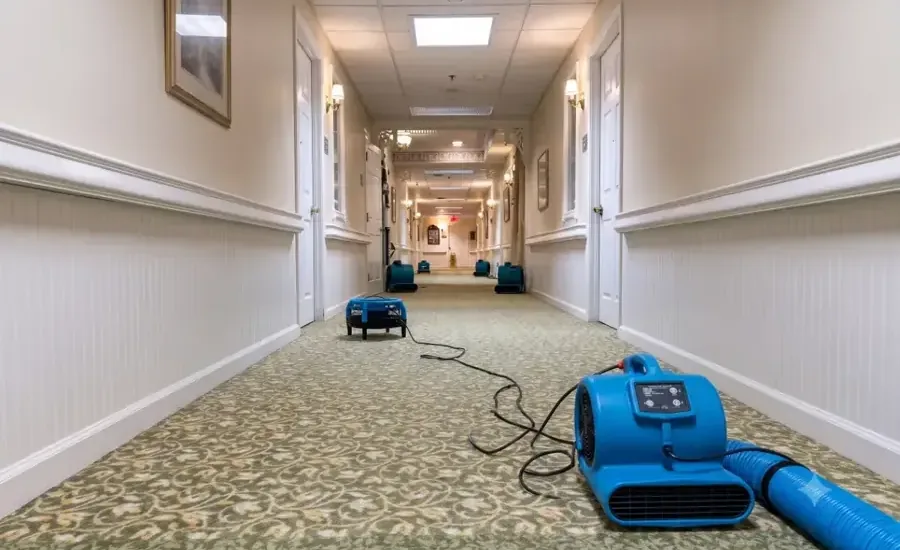
First steps for commercial and industrial water damage
Make the space safe
Shut off water and power to the wet area, keep customers out and cover stock and electronics.
Tell the landlord and neighbors
Notify the property manager and adjacent tenants so shared walls and ceilings can be checked.
Document the loss
Photograph the water, damaged stock and equipment, and keep invoices and inventory lists for the insurer.
Call the commercial crew
Describe the business, the size of the wet area and the source.
How commercial and industrial water damage is handled
A burst pipe in a restaurant or a flooded floor in a shop costs more than repairs, because every closed hour is lost income. Commercial drying is planned to get the space working again while the structure keeps drying.
Rapid local response
Active water is treated as urgent at any hour, so the extraction crew starts while the water is still on the surface.
IICRC S500 drying standard
Moisture mapping comes first, then extraction, air movers and LGR dehumidifiers sized to the class of loss.
Claim-ready documentation
The mitigation team keeps a moisture map, daily psychrometric logs and timestamped photos for the adjuster.
Valley water know-how
Slab floors, copper under concrete, hard water and storm runoff with nowhere to drain shape each drying plan.
What does commercial and industrial water damage cost in San Gabriel, CA?
A single suite or shop usually costs $3,000 to $8,000, and a large floor or several units run $8,000 to $18,000. A warehouse or contaminated loss reaches $18,000 to $25,000 or more.
Single suite or shop
$3,000 to $8,000- One space extracted and dried
- Containment from neighbors
- Daily readings
Large floor or several units
$8,000 to $18,000- Drying phased by zone
- Large-capacity equipment
- Records for each unit
Warehouse or contaminated loss
$18,000 to $25,000+- Category 3 water removed and cleaned
- Concrete and racking areas dried
- Extended monitoring
Ranges are typical, not a quote: the water category, square footage, material class and how fast drying started move the number most. The water damage cost calculator gives a closer planning range.
Commercial and Industrial Water Damage, step by step
- 1
Assess and protect
The crew maps wet areas, covers or moves stock and seals off neighboring suites.
- 2
Extract and clean
Large extractors remove water from the floor, and contaminated water is removed with protective gear.
- 3
Dry by zone
Equipment is placed zone by zone, so open areas can keep operating while others dry.
- 4
Monitor each unit
Daily readings are logged for each suite, and the equipment leaves a zone only after it tests dry.
Businesses the crews plan around
Valley Boulevard is the city's main retail and restaurant corridor, and the city also has a hospital, care centers and the historic buildings of the Mission District. Each needs a drying plan that fits how the business operates, from kitchens that must reopen to patient areas that need controlled airflow.
What a commercial plan includes
A commercial job usually adds these steps to the standard process:
- Containment and sealed doors to protect neighboring suites
- Phased drying by zone so open areas stay usable
- Separate records for each tenant or unit
- Inventory, files and equipment moved or covered
Concrete, racking and large floors
Large floors need large-capacity equipment, and concrete slabs, racking and stored goods slow drying. Crews dry the floor in sections, lift product off the wet area and verify the concrete with readings before shelving goes back. Category 3 water, such as sewage or storm runoff, is removed and the surfaces are cleaned and treated before drying starts.
Landlords, tenants and insurers
Commercial losses often involve a landlord, several tenants and more than one policy, so documentation matters. The crew keeps dated photos, readings and a scope for each unit, and water extraction and structural drying records are kept in the same file.
Commercial and industrial water damage coverage and nearby areas
Commercial crews work along Valley Boulevard and in the Mission District, across the 91775, 91776 and 91778 ZIP codes, in restaurants, shops, offices, care centers and shopping centers of every size.
The same service nearby: commercial and industrial water damage in Sun Valley, San Marino, Alhambra.
Water damage restoration in San Gabriel · every town covered
Related water damage services in San Gabriel
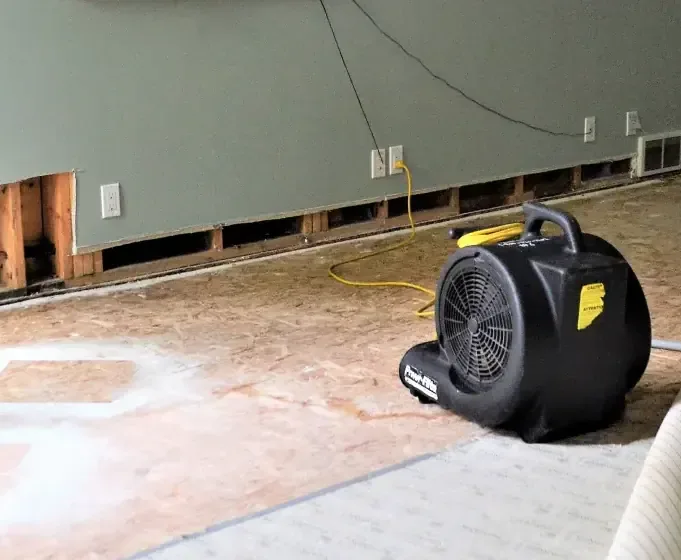
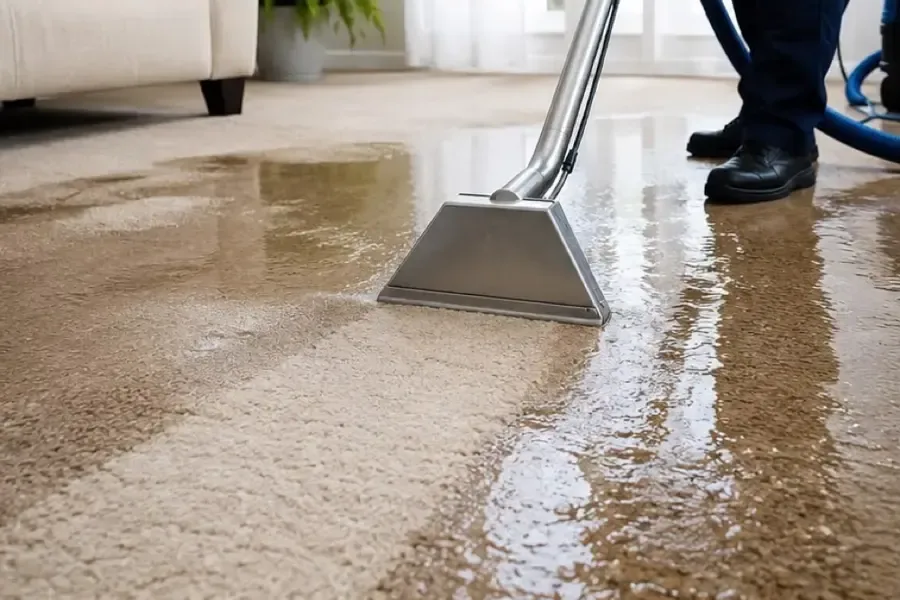
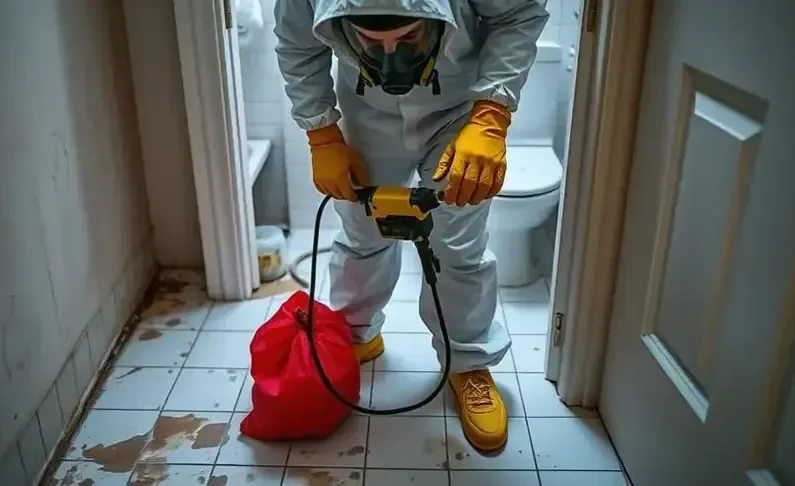
Commercial and Industrial Water Damage: common questions
Can a business stay open during drying?
Often partly. Drying is phased by zone, so dry areas can stay in use while others are contained, though kitchens and patient rooms need special planning.
Who handles the water damage, the landlord or the tenant?
It depends on the lease. The crew documents the damage per unit and shares the records with whoever is responsible.
Can wet inventory be saved?
Sometimes. Hard goods and sealed items may be dried or cleaned, while paper, fabric, food and packaging that touched the water are usually discarded. Photos and counts support the claim.
How is a restaurant kitchen handled differently?
Floors, drains and equipment bases are extracted, cleaned and treated, and any surface that touched contaminated water is cleaned before food service restarts.
Does commercial drying take longer than a home?
Not always. Large floors need more equipment, but the same readings decide the finish, and concrete slabs and racking can add days.
Does business interruption coverage apply?
Some commercial policies include business interruption coverage, which can help with lost income during repairs. The insurer decides, and the crew's dated records and daily logs support the claim.
Dry the suite in phases
Crews extract the water, protect neighboring suites, dry in phases and log readings for each unit until every zone tests dry.