Storm and Street Flooding Cleanup in San Gabriel
Rain runoff that reaches a garage or ground floor can carry sewage and debris. Crews in San Gabriel extract it, remove what soaked up the water, clean the surfaces and dry the structure.
(888) 578-6508Report flood water in the house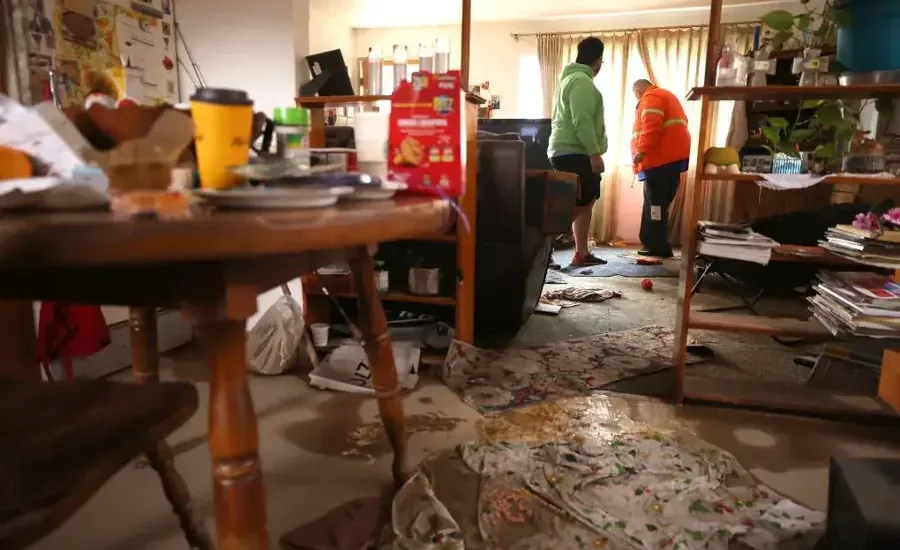
First steps for storm and street flooding cleanup
Stay out of the water
Keep children, pets and bare skin away from standing storm water, and avoid electrical panels and outlets in wet rooms.
Move belongings up
Lift valuables, papers and electronics onto dry furniture or higher floors, but leave heavy items for the crew.
Photograph the high-water mark
Photograph how high the water got and the damaged items before cleanup starts, for the insurance file.
Call for extraction
Describe the rooms and the source so the crew can bring pumps, extractors and protective gear.
How storm and street flooding cleanup is handled
When heavy rain sends runoff into a garage, a back room or a ground floor, that water has crossed yards and gutters first. It is handled as contaminated, not as clean water from a supply pipe.
Rapid local response
Active water is treated as urgent at any hour, so the extraction crew starts while the water is still on the surface.
IICRC S500 drying standard
Moisture mapping comes first, then extraction, air movers and LGR dehumidifiers sized to the class of loss.
Claim-ready documentation
The mitigation team keeps a moisture map, daily psychrometric logs and timestamped photos for the adjuster.
Valley water know-how
Slab floors, copper under concrete, hard water and storm runoff with nowhere to drain shape each drying plan.
What does storm and street flooding cleanup cost in San Gabriel, CA?
A garage or single room usually costs $2,500 to $5,000, and several ground-floor rooms run $5,000 to $10,000. A whole ground floor reaches $10,000 to $15,000 or more because of the flooring and wall removal.
Garage or one room
$2,500 to $5,000- Water extracted and debris cleared
- Lower drywall and trim cut out
- Antimicrobial and drying
Several ground-floor rooms
$5,000 to $10,000- Carpet and pad pulled out
- Flood cuts on wet walls
- Dehumidifiers running for days
Whole ground floor
$10,000 to $15,000+- Most flooring removed
- Wide wall removal and cleaning
- Extended structural drying
Ranges are typical, not a quote: the water category, square footage, material class and how fast drying started move the number most. The water damage cost calculator gives a closer planning range.
Storm and Street Flooding Cleanup, step by step
- 1
Make the area safe
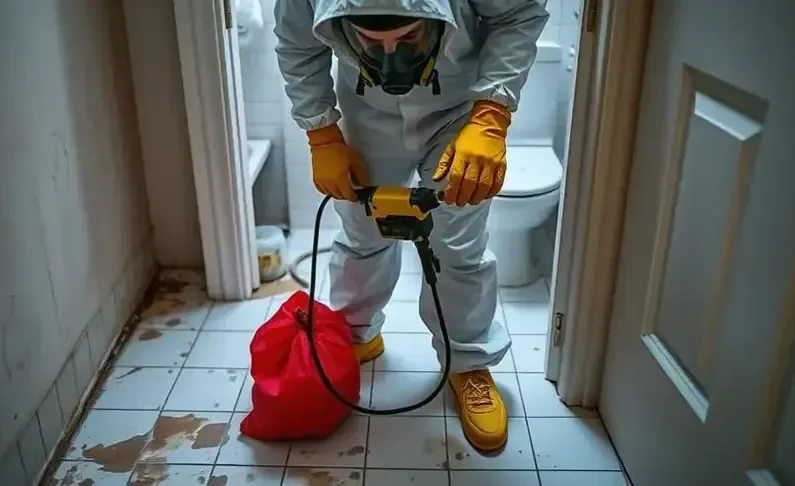
The crew checks for electrical hazards, wears protective gear and sets up containment around contaminated water.
- 2
Extract and clear
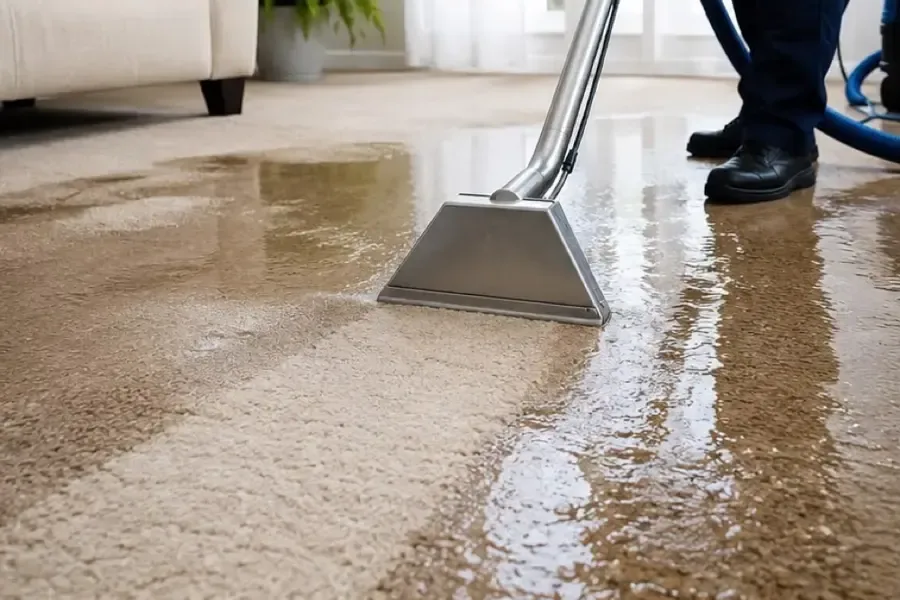
Pumps and extractors remove the water, then mud, debris and soaked contents are cleared.
- 3
Remove and clean
Carpet, pad, lower drywall and trim come out, and the rest is cleaned and treated.
- 4
Dry and verify
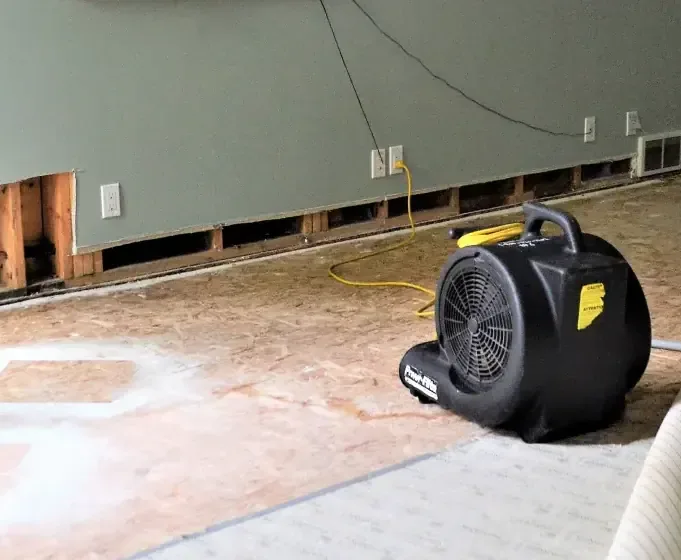
Equipment runs with daily readings until every wet material reads dry.
What the local water setting looks like
The city's stormwater page puts San Gabriel in flood zone C, a non-flood hazard area, while the Rubio, Alhambra and Eaton Washes run through or along the city as flood control channels. Water has long mattered here: the mission moved to its present site in 1775 after its first location near the Whittier Narrows flooded often.
A construction failure, not a flood
On September 15, 2015, storm runoff overwhelmed a diversion pipe at a rail construction site beside the Rubio Wash, and a temporary retaining wall failed. That was a construction site failure, not a neighborhood flood, but two sewage pipes ruptured, a reminder of why storm water near channels is treated as contaminated.
What the cleanup removes
Contaminated water leaves residue in everything it touches, so the crew usually removes:
- Carpet, pad and tack strip that the water soaked
- Lower drywall and baseboards with flood cuts
- Soaked insulation and cardboard stored on the floor
- Mud and debris left across floors and in corners
Cleaning, treating and drying
Hard surfaces and framing are cleaned, treated with an antimicrobial and left to dry, then readings show when the structure is ready. Structural drying equipment stays until each wet material reaches dry standards, and the owner receives the readings for the claim.
Storm and street flooding cleanup coverage and nearby areas
Storm cleanup covers the 91775, 91776 and 91778 ZIP codes, including districts such as Rosemont Park, Oak Knoll Unit and the Mission District, and ground floors or garages anywhere in the city.
The same service nearby: storm and street flooding cleanup in Sun Valley, San Marino, Alhambra.
Water damage restoration in San Gabriel · every town covered
Related water damage services in San Gabriel
Storm and Street Flooding Cleanup: common questions
Is flood water from a storm contaminated?
Treat it that way. Water that has crossed yards, streets and gutters can carry sewage, chemicals and debris, so porous materials are removed and hard surfaces are cleaned and treated.
Does San Gabriel flood often?
The city's stormwater page describes it as flood zone C, a non-flood hazard area, but flood control channels run through or along it, and a clogged drain or heavy downpour can still put water in a garage.
What should be thrown away after a storm flood?
Porous items that sat in the water, such as carpet, pad, upholstered pieces, cardboard and soft drywall, are usually discarded. Hard items that can be cleaned and treated are often kept.
What if water came up through a floor drain?
If water backed up through a floor drain or toilet, treat it as sewage. Public sewer spills are reported to the city, and sewage backup cleanup steps apply.
How fast does cleanup need to start?
As soon as it is safe, since contaminated water keeps soaking into pad and drywall. Mold can begin in the first day or two, so extraction and removal should not wait.
Does homeowners insurance cover storm flooding?
Standard homeowners policies often exclude flood water, which usually needs separate flood coverage, while some water damage from other causes is covered. The adjuster decides, and the crew's records support the claim either way.
Clean up after the storm water
Crews extract the runoff, remove what soaked it up, clean and treat the surfaces and dry the structure.