Commercial and Industrial Water Damage in Sun Valley, CA
Warehouses, yards, shops and offices face the same water risks as homes, on a bigger scale. The restoration team extracts, dries in phases so work can continue and documents every zone for the claim.
(888) 578-6508Business flooded? Get crews moving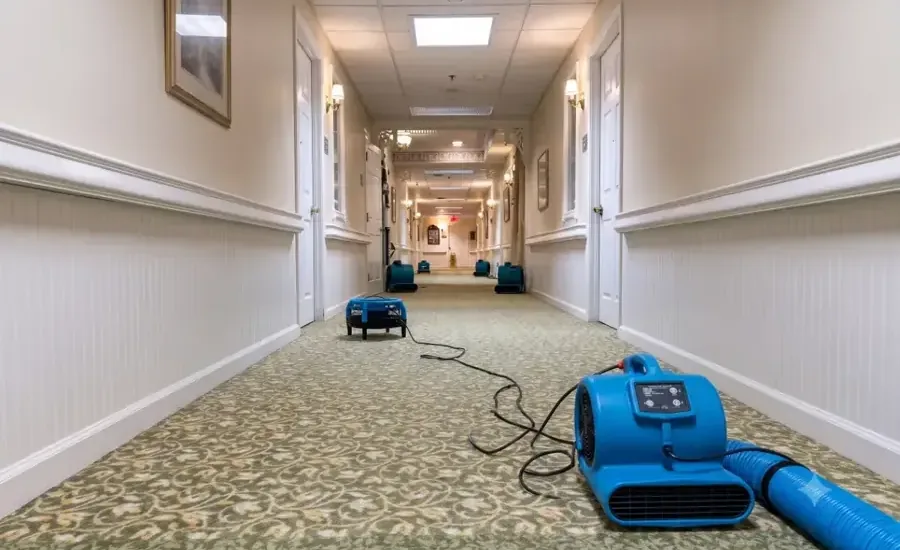
First steps for commercial and industrial water damage
Shut off the source
Close the riser valve, the fixture valve or the main, and alert the monitoring company if a sprinkler pipe broke.
Protect people and power
Keep staff and customers off wet floors and switch off power to wet areas if it is safe.
Photograph first
Photograph the source, the wet areas and damaged stock before anything is moved.
Move inventory and records
Lift stock, files and electronics off the floor and out of the wet zone.
How commercial and industrial water damage is handled
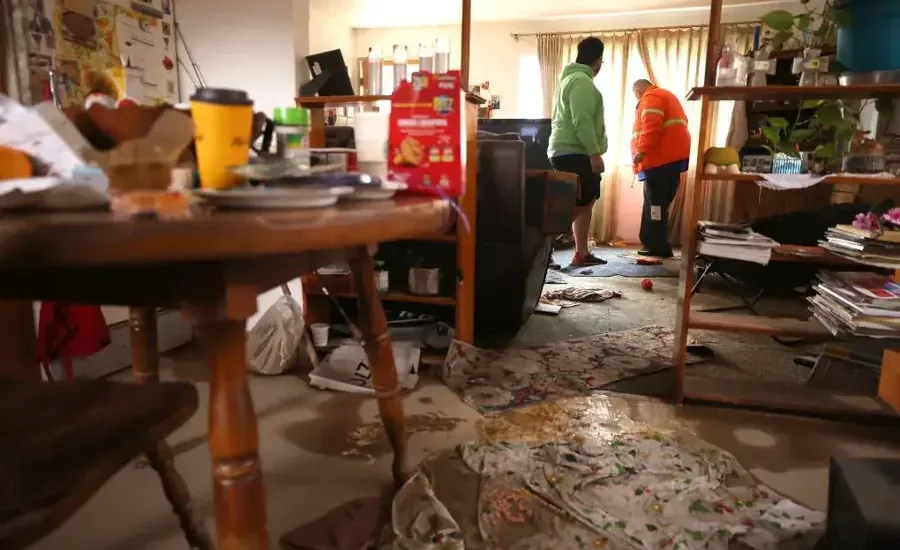
The industrial strip along San Fernando Road and the rail corridor holds warehouses, recycling yards, gravel operations and auto shops, with offices and apartment buildings mixed in along Glenoaks Boulevard. Water losses here come from flat-roof drains that clog in the first storm, overhead sprinkler pipes that break, water heaters in tenant spaces and runoff that rolls in under roll-up doors.
Rapid local response
Active water is treated as urgent at any hour, so the extraction crew starts while the water is still on the surface.
IICRC S500 drying standard
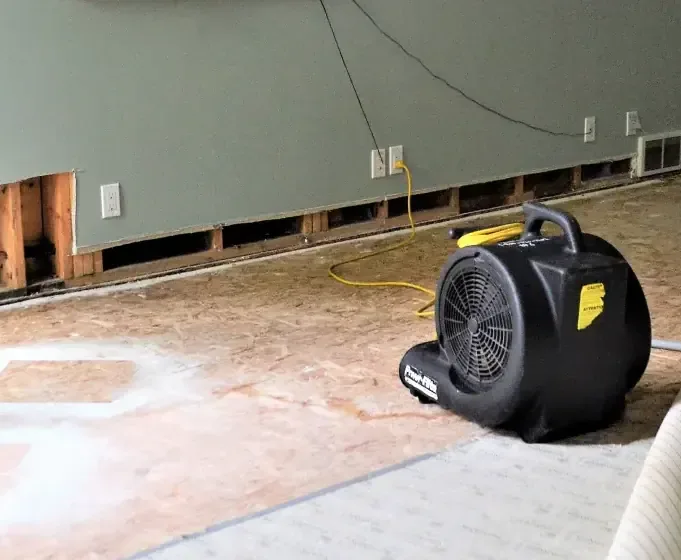
Moisture mapping comes first, then extraction, air movers and LGR dehumidifiers sized to the class of loss.
Claim-ready documentation
The mitigation team keeps a moisture map, daily psychrometric logs and timestamped photos for the adjuster.
Valley water know-how
Slab floors, copper under concrete, hard water and storm runoff with nowhere to drain shape each drying plan.
What does commercial and industrial water damage cost in Sun Valley, CA?
Commercial water damage restoration here commonly runs $3,000 to $25,000 or more, priced on square footage, the water category, the materials involved, containment needs and how many days drying runs. Large or contaminated losses cost more.
Single suite or shop
$3,000 to $8,000- Extraction and drying of one space
- Containment from neighbors
- Daily readings
Large floor or several units
$8,000 to $18,000- Phased drying by zone
- Large-capacity equipment
- Separate records per unit
Warehouse or contaminated loss
$18,000 to $25,000+- Category 3 removal and cleaning
- Concrete and racking areas dried
- Extended monitoring
Ranges are typical, not a quote: the water category, square footage, material class and how fast drying started move the number most. The water damage cost calculator gives a closer planning range.
Commercial and Industrial Water Damage, step by step
- 1
Walk and map
The tech maps the wet area, the water category and the operations that need to keep running.
- 2
Contain and extract
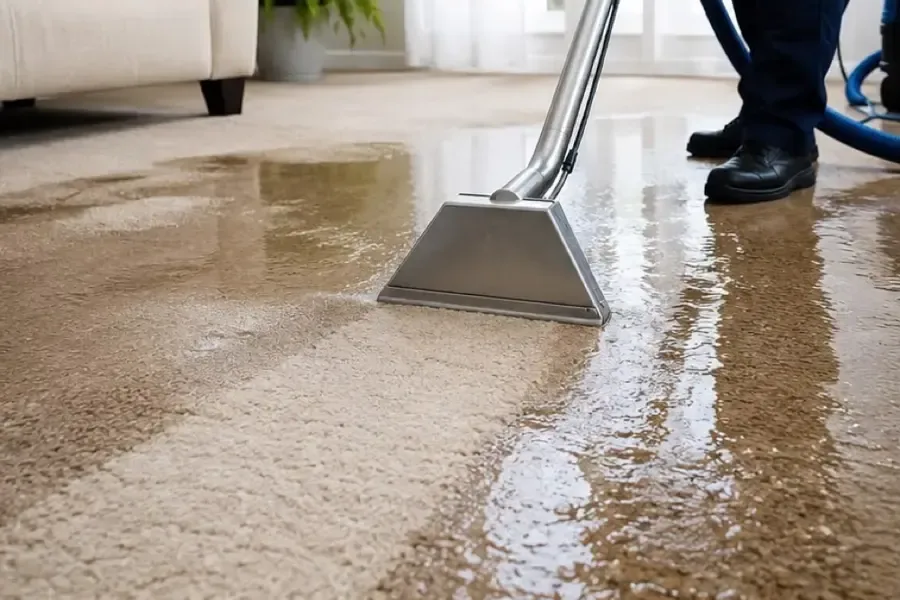
Wet zones are contained and standing water is pulled out first.
- 3
Phase the drying
Equipment runs zone by zone so the rest of the building keeps working.
- 4
Verify and close out
Readings confirm each zone is dry, and the records are organized for the claim.
Drying in phases to keep the doors open
A business cannot stop for a week. The response team sets containment around the wet zone, extracts and dries one section while the rest keeps working, and places loud equipment away from customer areas where possible. Inventory and records are protected first.
- Containment walls separate wet and dry zones
- Large-capacity dehumidifiers and air movers handle open floor plans
- Concrete floors and racking bases are checked for trapped moisture
Multi-tenant buildings and the claim file
In strip centers, office buildings and apartment complexes, one leak often reaches several tenants. The mitigation team keeps separate moisture maps and photos for each affected unit, so the owner, the tenants and their insurers can sort out who covers what. OSHA rules apply to workers in water-damaged workplaces, and Ready.gov's business preparedness pages cover planning for disruptions like these.
When the water is not clean
Storm runoff through loading doors and sewage from a floor drain are Category 3, so porous materials they touched are removed and surfaces get an EPA-registered antimicrobial before drying, the same approach used in storm and street flooding cleanup.
Commercial and industrial water damage coverage and nearby areas
Coverage runs across ZIP 91352 and 91353, from the river-rock homes of Stonehurst and the streets off Sheldon and Tuxford to the yards along San Fernando Road and the hillside lots toward La Tuna Canyon.
Nearby coverage reaches Burbank, North Hollywood, Pacoima, Arleta, Panorama City, Shadow Hills, Sunland, Tujunga and Lake View Terrace.
Related water damage services
Commercial and Industrial Water Damage: common questions
Can a business stay open during drying?
Often, at least in part. Containment and phased drying let unaffected areas keep working while the wet zones dry.
How are concrete warehouse floors dried?
Standing water is extracted, then dehumidifiers and air movers dry the slab surface while meters track moisture in the concrete. Racking bases and wall bottoms are checked too.
Who handles the claim in a multi-tenant building?
Each owner and tenant usually works with their own insurer. Separate moisture maps and photos for each unit help sort out what each policy covers.
What happens to wet inventory?
Inventory is photographed, then moved to a dry area or set aside for the adjuster. Items touched by Category 3 water usually cannot be saved.
Does commercial property insurance cover water damage?
Many commercial policies cover sudden water damage, while flood and some backups need separate coverage. Coverage depends on your policy, so check with your own insurer.
How long does commercial drying take?
Small suites often dry in three to five days. Large open floors and concrete take longer, and the readings decide.
Water in the warehouse or office? Call now.
The restoration team contains the wet zone, dries in phases and keeps a record for every affected unit.