Water Extraction and Removal in Alhambra
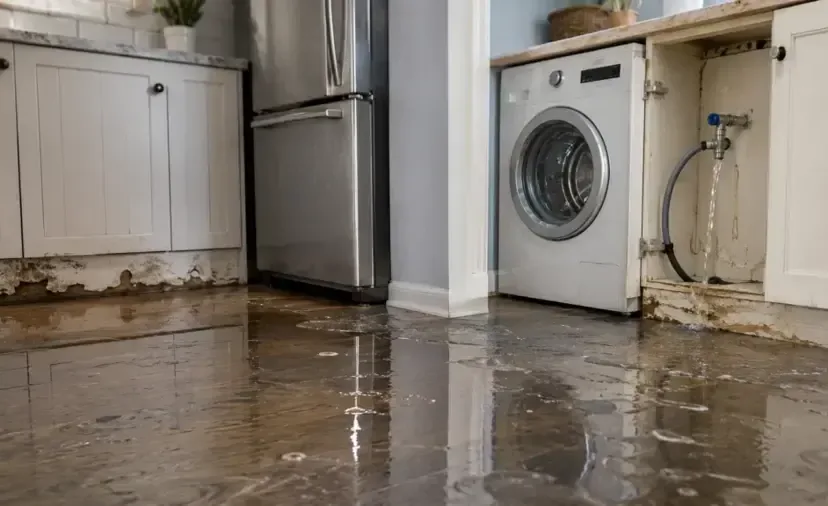
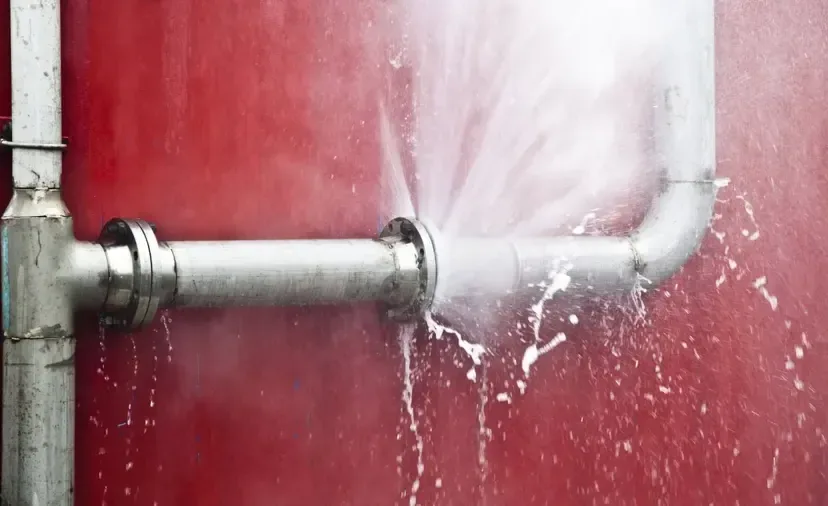
Standing water from a failed hose, a split pipe or an overflowing tub soaks carpet fast. Crews pump it out, press the pad dry and move the drying along before the next room gets wet.
(888) 578-6508Get the water pumped out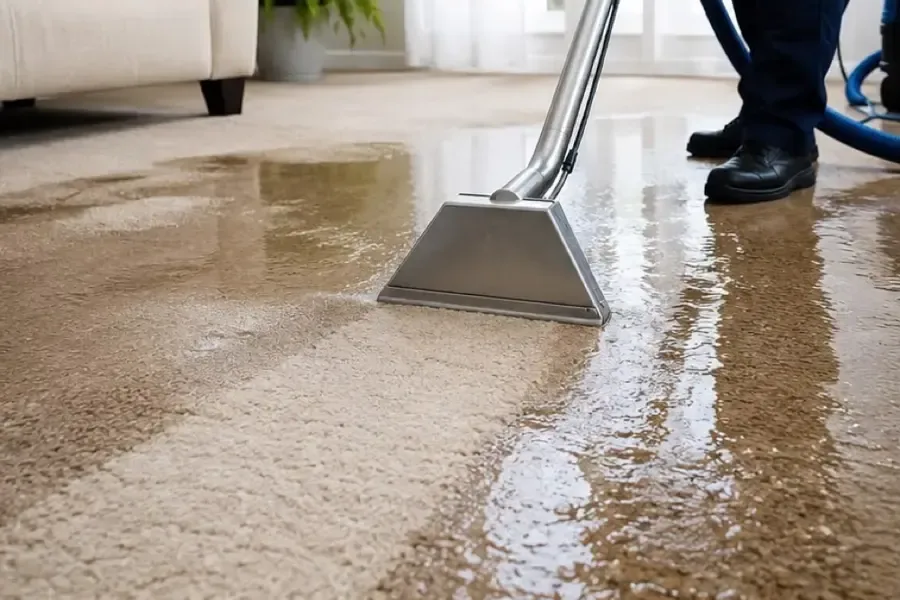
First steps for water extraction and removal
Stop the supply
Close the nearest shutoff or the main valve, then switch off power to any outlets that touched the water.
Clear the floor
Lift small furniture, rugs and boxes out of the wet area, and leave soaked carpet where it lies for the crew.
Photograph it
Capture the water depth, wet walls and damaged items before pumping starts, so the claim has a record.
Call for pumping
Report how many rooms are wet, where the water came from and whether it looks clean or dirty.
How water extraction and removal is handled
Water rarely stays where it starts in Alhambra. Houses from the early tracts to the postwar streets, plus condos, apartments and mixed-use buildings downtown, give a leak plenty of routes into the next room or the unit below. Fast extraction cuts those routes off before drywall and framing take on water.
Rapid local response
Active water is treated as urgent at any hour, so the extraction crew starts while the water is still on the surface.
IICRC S500 drying standard
Moisture mapping comes first, then extraction, air movers and LGR dehumidifiers sized to the class of loss.
Claim-ready documentation
The mitigation team keeps a moisture map, daily psychrometric logs and timestamped photos for the adjuster.
Valley water know-how
Slab floors, copper under concrete, hard water and storm runoff with nowhere to drain shape each drying plan.
What does water extraction and removal cost in Alhambra, CA?
Water extraction alone runs about $400 to $1,800 for a small area. Add structural drying and most jobs cost $1,500 to $4,500, while contaminated or large losses reach $4,500 to $9,000 or more. The wet area, the water category and the days of drying set the final figure.
Pump out, small area
$400 to $1,800- One room or a hallway
- Pumps, wands and a moisture check
- Readings before leaving
Pumping plus drying
$1,500 to $4,500- Two or three rooms
- Air movers and LGR units running
- Daily checks for several days
Large or dirty loss
$4,500 to $9,000+- Category 2 or 3 water
- Pad and baseboard removal
- Antimicrobial treatment and full drying
Ranges are typical, not a quote: the water category, square footage, material class and how fast drying started move the number most. The water damage cost calculator gives a closer planning range.
Water Extraction and Removal, step by step
- 1
Assess the water
The crew identifies the source and the water category, then maps wet areas with meters and a thermal camera.
- 2
Pump and press
Pumps clear the standing water, then wands and weighted tools press carpet and pad to lift what remains.
- 3
Open and ventilate
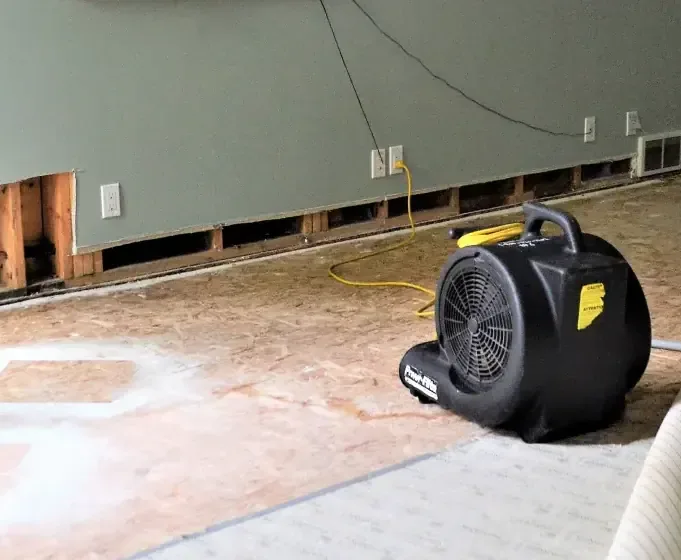
Baseboards or toe kicks come off where water hides, and air movers start moving air across the wet surfaces.
- 4
Check and hand off
A final moisture check shows whether drying can begin right away or whether items still need to come out.
What extraction removes first
The crew pumps out standing water, then works wands over carpet and weighted tools over pad so the soaked layers give up what they hold. Hard floors are squeegeed and vacuumed, and low spots such as door thresholds and closet corners get a second pass. Meters then show how much moisture is left behind, and the crew records those numbers before drying starts.
- Carpet and pad in the wet room
- Laminate and vinyl planks that trap water
- Tile floors and grout joints
- Baseboard bottoms and door casings
- Cabinet toe kicks where water pools
Why speed matters in older buildings
About 74 percent of the city's housing was built before 1980, so many floors sit over older framing and layered finishes. Water that sits wicks into baseboards, plaster and drywall, and every extra day widens the area that needs drying. Early pumping often decides whether a wall stays closed or has to be cut open later, and whether carpet can be saved. Water that traces to no visible source may come from under the floor, which is covered under slab leak water damage.
Condos, rentals and shared floors
Renters are the larger group of households, and shared floors are common. When the water came from the unit above, photos and readings help the landlord and each insurer sort out what happened, while extraction still goes first. Neighbors below should be told early so their rooms are checked before stains appear. Drying then continues under structural drying.
Water extraction and removal coverage and nearby areas
Extraction crews cover ZIP codes 91801 and 91803, from Midwick Tract and Mayfair Tract houses to the apartment buildings and shops around Main Street and Garfield Avenue, where one wet unit can send water to its neighbors.
The same service nearby: water extraction and removal in Sun Valley, South Pasadena, San Gabriel.
Related water damage services in Alhambra
Water Extraction and Removal: common questions
How quickly should standing water be removed?
As soon as it is safe. Water soaks into pad, baseboards and drywall fast, and each extra day makes the drying scope larger and the repair more expensive.
Is carpet always thrown away after a flood?
Not always. Carpet that got clean water and is extracted fast can often be dried in place, but the pad is usually removed. Sewage or long soaking means the carpet goes too.
What equipment does extraction use?
Truck-mounted units handle large volumes, portable pumps reach upstairs rooms and tight spaces, and weighted wands press water out of pad. Moisture meters then confirm what is left.
Can extraction be done without opening walls?
Often yes. Many jobs only need baseboards pulled and small holes drilled for airflow. Walls open only when readings show water trapped in a cavity that air alone cannot reach.
Who pays when a neighbor's leak floods a unit?
That depends on the lease and the policies involved. The landlord or association should hear about it early, and photos plus readings help every insurer see how far the water went.
Does extraction replace drying?
No. Extraction removes the bulk of the water, but moisture stays in framing, subfloors and drywall. Dehumidifiers and air movers finish the job, which is why most jobs combine the two.
Get standing water out before it spreads
A call now means pumps run before the pad and baseboards soak through. The crew explains each step and keeps the readings.