Water Extraction in South Pasadena
Standing water from a failed hose, overflow or storm is pulled out first with truck-mounted or portable units, and the wet areas are then mapped and dried.
(888) 578-6508Book extraction for a wet floor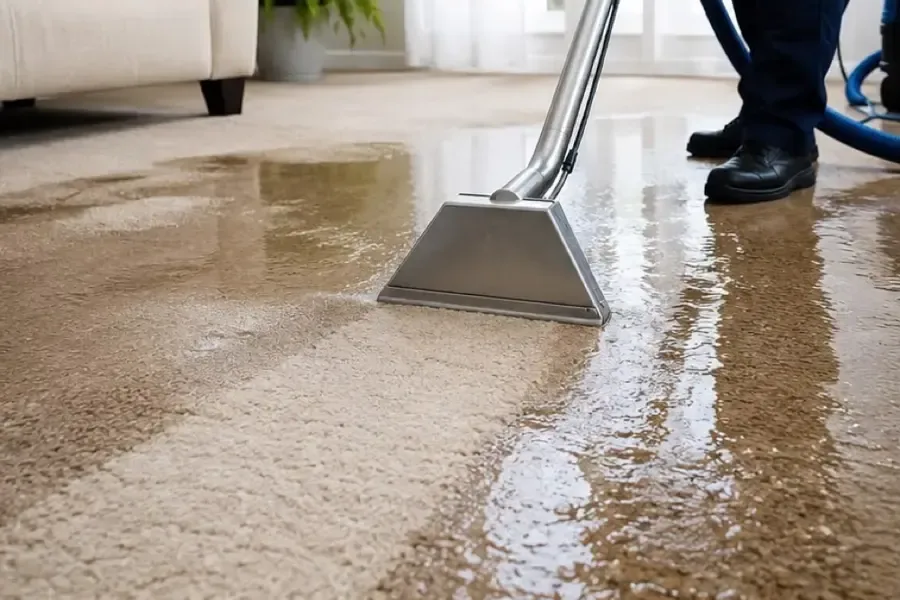
First steps for water extraction and removal
Close the supply
Turn the shutoff at the fixture or main, and avoid plugged in electronics on a wet floor.
Open it up
Move chairs and boxes off the wet floor, pull up loose rugs and open closet doors for the crew.
Take pictures
Photograph the standing water, the walls and the ceiling above, and note when the leak was found.
Call for removal
Describe the room, how deep the water is and how long it has sat, so the right extractor is loaded.
How water extraction and removal is handled
Pulling the water out is the first job, because water left in carpet, pad and baseboards keeps wicking upward and soaking new material. In South Pasadena, that often means units where the water came from the apartment above or through a shared wall.
Rapid local response
Active water is treated as urgent at any hour, so the extraction crew starts while the water is still on the surface.
IICRC S500 drying standard
Moisture mapping comes first, then extraction, air movers and LGR dehumidifiers sized to the class of loss.
Claim-ready documentation
The mitigation team keeps a moisture map, daily psychrometric logs and timestamped photos for the adjuster.
Valley water know-how
Slab floors, copper under concrete, hard water and storm runoff with nowhere to drain shape each drying plan.
What does water extraction and removal cost in South Pasadena, CA?
Extraction alone usually runs $400 to $1,800 for a small area, while extraction plus drying across two or three rooms costs $1,500 to $4,500. Large or contaminated losses can reach $9,000 or more, and the final price follows the first moisture readings.
Small wet area
$400 to $1,800- One room or a hallway
- Extraction passes plus meter checks
- Readings before and after
Water out, then dried
$1,500 to $4,500- Two or three rooms
- Air movers and dehumidifiers
- Daily visits for readings
Large or contaminated
$4,500 to $9,000+- Sewage or storm water cleanup
- Pad and baseboards removed
- Antimicrobial treatment and full drying
Ranges are typical, not a quote: the water category, square footage, material class and how fast drying started move the number most. The water damage cost calculator gives a closer planning range.
Water Extraction and Removal, step by step
- 1
Check for hazards
The crew checks for electrical risk and contamination, then blocks furniture and runs hoses and cords safely.
- 2
Pull the water
Truck-mounted or portable extractors make slow passes over floors, and weighted tools press carpet and pad.
- 3
Map what remains
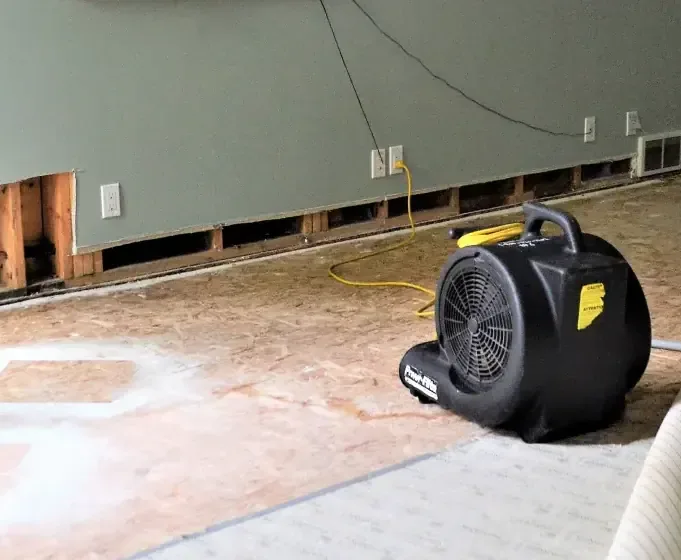
Moisture meters and a thermal camera show water in baseboards, wall bottoms and cabinet bases that extraction cannot reach.
- 4
Hand off to drying
Equipment goes in, a daily reading schedule is set and the owner gets the first photos and the plan.
What extraction actually removes
Truck-mounted units pull the most volume and reach through a doorway on a hose, while portable extractors work inside upstairs rooms and tight closets. Weighted tools press carpet and pad to lift trapped water, and floors, cabinet bases and wall bottoms are checked with a moisture meter so nothing wet is left behind.
What happens on the first visit
The first visit follows a set order so nothing is missed or duplicated.
- Shut off the source and check for hazards
- Photograph the water and the affected rooms
- Extract standing water and press out carpet
- Map moisture and set the drying plan
- Record equipment and start the daily log
Clean water versus contaminated water
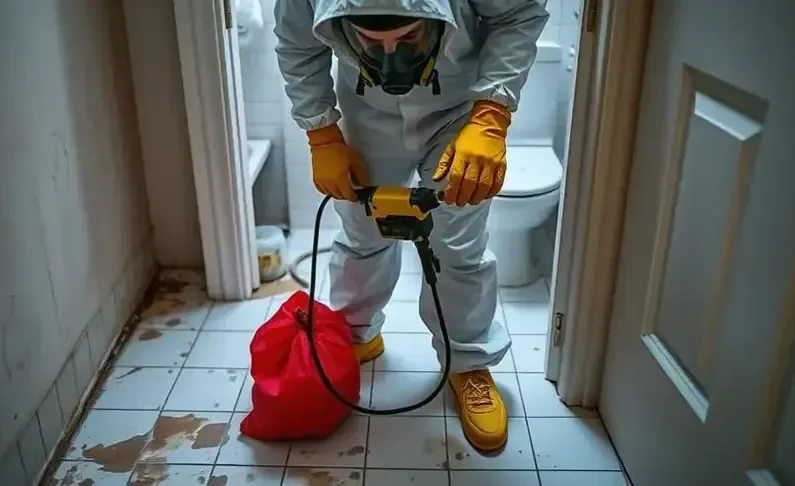
Water from a supply pipe or a tank starts out clean, but it picks up contamination after a day or two in carpet and pad. Sewage and storm water are contaminated from the start, so porous materials come out and the area is cleaned and treated before drying equipment goes in. Pad is usually the first thing discarded because it holds water like a sponge. See sewage backup cleanup for that work.
After the water is gone
Extraction alone does not dry a building, because wood, drywall and concrete still hold moisture. The same visit sets air movers and dehumidifiers, and the details are in structural drying. Contents are lifted or blocked up so furniture legs do not stain. The owner receives photos and readings, which an adjuster can use for the claim, and tenants and owners both get a copy of what was found.
Water extraction and removal coverage and nearby areas
Crews pull water from older houses, apartment buildings and shops across South Pasadena, from the Oaklawn area to the Mission Street and Fair Oaks Avenue corridors, including addresses in ZIP 91030.
The same service nearby: water extraction and removal in Sun Valley, Alhambra, San Marino.
Water damage restoration in South Pasadena · every town covered
Related water damage services in South Pasadena
Water Extraction and Removal: common questions
How long does water extraction take?
A small area takes a short visit, while a flooded floor or a whole apartment takes longer because every pass has to be followed by meter checks. Drying then continues for several days.
Can carpet be saved after extraction?
Often yes, if the water was clean and extraction began promptly, because carpet can be dried in place or lifted and reinstalled. Pad is usually replaced, and sewage or storm water means the carpet comes out.
What if the water came from the apartment above?
Take photos, tell the property manager in writing and book extraction, since water keeps traveling through ceilings and walls. Drying records help show how far it spread.
Do extractors work on hard floors and tile?
Yes. Extractors work on carpet, vinyl, tile and sealed hardwood, and thin films on hard floors are lifted with squeegee tools. Water under click flooring or planks needs panels lifted so it can dry.
Should I wait for an adjuster before extraction?
No. Waiting lets the damage grow, and policies generally expect owners to limit the loss. Take photos first, keep receipts, and ask the crew for its records so the adjuster has everything on file later.
Is extraction different after a pipe break than after rain?
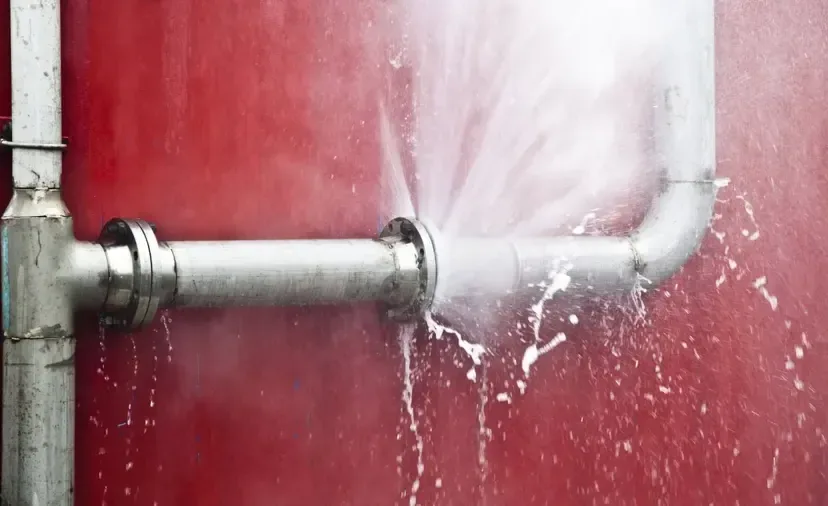
The method is the same, but storm water is contaminated, so more material comes out and cleaning is added. Supply pipe water is clean at first, which gives more chance to save carpet and flooring.
Get the water off the floor
Describe the wet rooms to a coordinator, who will arrange the crew and equipment the job needs.