Structural Drying and Dehumidification in Alhambra
Surfaces that feel dry can hide wet framing, subfloors and wall cavities. Crews map the moisture, set LGR dehumidifiers and air movers, and read the materials daily until they reach the dry goal.
(888) 578-6508Ask about moisture mapping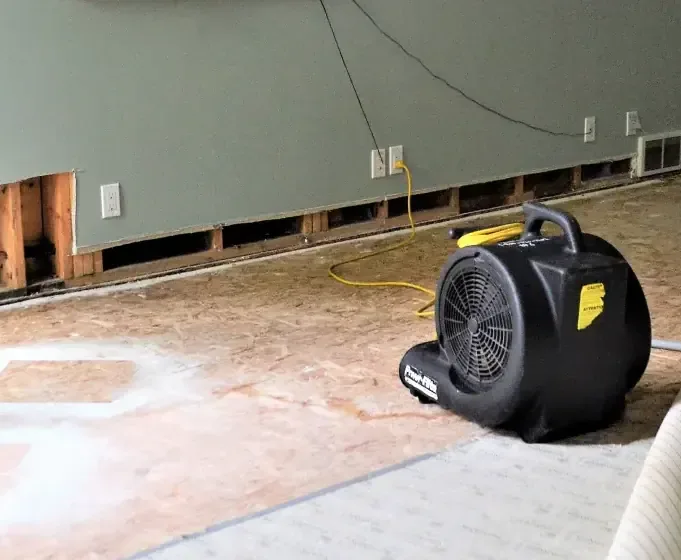
First steps for structural drying and dehumidification
Keep traffic out
Avoid walking on wet carpet and floors, which pushes water into pad and subfloor.
Open the doors
Leave closet and cabinet doors open so air can reach the wet walls.
Photograph the damage
Capture wet walls and floors before equipment is set.
Call for a drying plan
Say what leaked and which rooms are wet, and a crew builds the moisture map.
How structural drying and dehumidification is handled
Alhambra has older homes in historic tracts such as Mayfair Tract, Bean Tract and Midwick Tract, plus mixed-use buildings downtown, so drying has to reach walls and framing, not only the surfaces people can see. The aim is a measured dry goal, not a dry look. Pipe failures are covered under burst pipe water damage, roof and ceiling leaks have their own pages, and the drying plan runs beside each repair.
Rapid local response
Active water is treated as urgent at any hour, so the extraction crew starts while the water is still on the surface.
IICRC S500 drying standard
Moisture mapping comes first, then extraction, air movers and LGR dehumidifiers sized to the class of loss.
Claim-ready documentation
The mitigation team keeps a moisture map, daily psychrometric logs and timestamped photos for the adjuster.
Valley water know-how
Slab floors, copper under concrete, hard water and storm runoff with nowhere to drain shape each drying plan.
What does structural drying and dehumidification cost in Alhambra, CA?
Small jobs of one or two rooms typically cost $1,500 to $3,000, and wider losses or a wet slab fall at $3,000 to $5,500. Dense Class 4 materials like hardwood or concrete can reach $5,500 to $8,000 or more.
Small drying job
$1,500 to $3,000- A dehumidifier and some air movers
- Meter checks each visit
- About three or four days
Wider loss or concrete floor
$3,000 to $5,500- LGR units plus cavity airflow
- Subfloor or slab moisture work
- Roughly four to six days
Dense materials
$5,500 to $8,000+- Desiccant units on the job
- Hardwood, plaster or concrete
- Longer monitoring period
Ranges are typical, not a quote: the water category, square footage, material class and how fast drying started move the number most. The water damage cost calculator gives a closer planning range.
Structural Drying and Dehumidification, step by step
- 1
Map the moisture
Meters and thermal imaging mark every wet area and set the dry goal.
- 2
Set up the drying zone
Units go where the moisture map points, and small baseboard holes let air into the wall cavities.
- 3
Read every day
The same spots are measured daily, and units move as areas dry.
- 4
Release and report
Units come out once targets are met, and the reading log is handed to the owner.
Why surfaces mislead
Paint, carpet and flooring can look and feel dry while the stud bays and subfloor behind them still hold water. That trapped moisture feeds swelling, odors and eventual material failure. Meters and a thermal camera show what the eye misses, and the readings set the plan for every room.
- Wall cavities behind baseboards
- Subfloors under flooring
- Plaster walls where present
- Joists and framing near the leak
- Cabinet bases and toe kicks
How the equipment works together
LGR dehumidifiers condense water vapor from the air, and air movers sweep the surfaces so materials release moisture into that dry air. Placement follows the moisture map, and units move as areas finish. Dense materials like plaster, hardwood and concrete take longer, and some jobs call for desiccant units.
Readings, records and release
Daily readings of the same spots show whether the plan is working. Equipment is added, moved or removed based on the numbers, never on the calendar. When wood, drywall and plaster reach the dry goal, the crew pulls the units and hands over the log. Standing water comes first, through water extraction.
Structural drying and dehumidification coverage and nearby areas
Drying crews work in ZIP codes 91801 and 91803, from the older homes of Mayfair Tract, Bean Tract and Midwick Tract to the mixed-use buildings downtown, where walls and framing hold water that surfaces never show.
The same service nearby: structural drying and dehumidification in Sun Valley, South Pasadena, San Gabriel.
Related water damage services in Alhambra
Structural Drying and Dehumidification: common questions
Why not just run a fan?
A fan moves air but does not remove moisture from the building. Dehumidifiers pull water vapor out, so materials can finally release what they hold.
How long does structural drying take?
Three to six days is common, longer for dense materials like plaster, hardwood and concrete. Daily readings decide the finish date, not the calendar.
Can walls be dried without opening them?
Often. Small holes at the baseboard let dry air into the cavity. Walls open when readings show water that air cannot reach.
What is a dry goal?
A target reading for each material, taken from dry parts of the same building. Units stay until the wet materials match it.
Is the noise a problem?
Equipment is steady but audible. The crew places units to limit disruption, and a unit that is not needed is removed as soon as readings allow.
Does older construction dry differently?
Dense materials like plaster and hardwood release water slowly, so they get extra time and extra checks. Many local homes are older, so this comes up often.
Dry the structure, not just the surface
Moisture mapping, steady dehumidification and daily records protect the framing and give the adjuster a clear file.