Storm and Flood Cleanup in Alhambra, CA
Heavy rain can still push muddy water through a doorway, a garage or a failed roof seam. Crews pump it out, haul away debris, sanitize the floor and dry the walls behind it before repairs begin.
(888) 578-6508Report muddy water indoors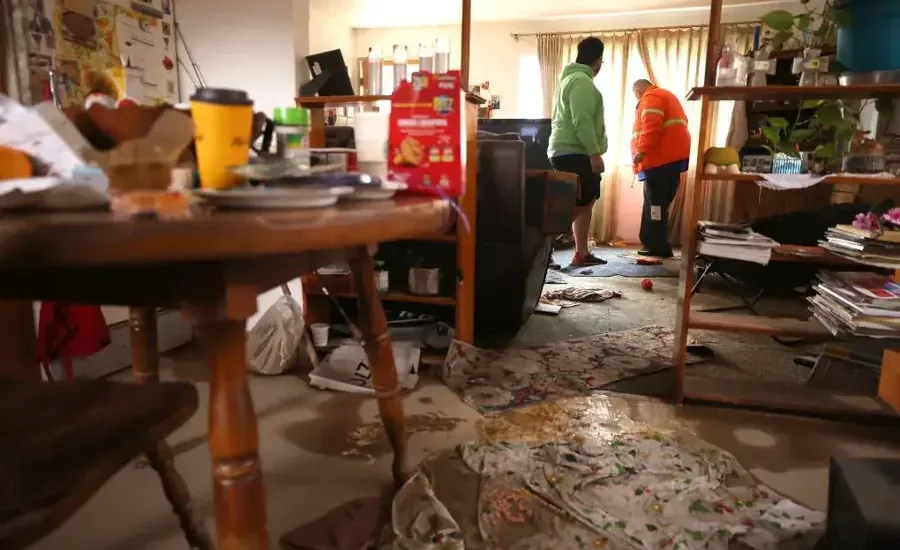
First steps for storm and street flooding cleanup
Cut the power
If outlets or appliances sit in the water, switch off the breakers first and keep clear until it is safe.
Block the entry
Sandbags, towels or plywood slow more water at the door while cleanup is planned.
Photograph the damage
Shoot the water depth, the high water mark and each damaged item before anything is thrown out.
Call for cleanup
Say how many rooms are wet and whether mud or sewage is mixed in, so the crew brings the right equipment.
How storm and street flooding cleanup is handled
FEMA's Los Angeles County Flood Insurance Study lists the City of Alhambra as non-flood prone, and storm drains carry street runoff to the Los Angeles River. Even so, a hard rain can overwhelm a roof, a gutter or a low entry and put muddy water on a floor.
Rapid local response
Active water is treated as urgent at any hour, so the extraction crew starts while the water is still on the surface.
IICRC S500 drying standard
Moisture mapping comes first, then extraction, air movers and LGR dehumidifiers sized to the class of loss.
Claim-ready documentation
The mitigation team keeps a moisture map, daily psychrometric logs and timestamped photos for the adjuster.
Valley water know-how
Slab floors, copper under concrete, hard water and storm runoff with nowhere to drain shape each drying plan.
What does storm and street flooding cleanup cost in Alhambra, CA?
A garage or single room usually costs $2,500 to $5,000. Several ground floor rooms run $5,000 to $10,000, and a whole ground floor can reach $10,000 to $15,000 or more. Contaminated storm water and wide flooring removal drive the higher figures.
Garage or one room
$2,500 to $5,000- Pumping and debris removal
- Lower drywall and base cut
- Sanitizing and drying
Several ground floor rooms
$5,000 to $10,000- Carpet, pad and tack strip out
- Flood cuts on wet walls
- Days of dehumidifier drying
Whole ground floor
$10,000 to $15,000+- Most flooring removed
- Wide wall removal and cleaning
- Extended structural drying
Ranges are typical, not a quote: the water category, square footage, material class and how fast drying started move the number most. The water damage cost calculator gives a closer planning range.
Storm and Street Flooding Cleanup, step by step
- 1
Pump and haul
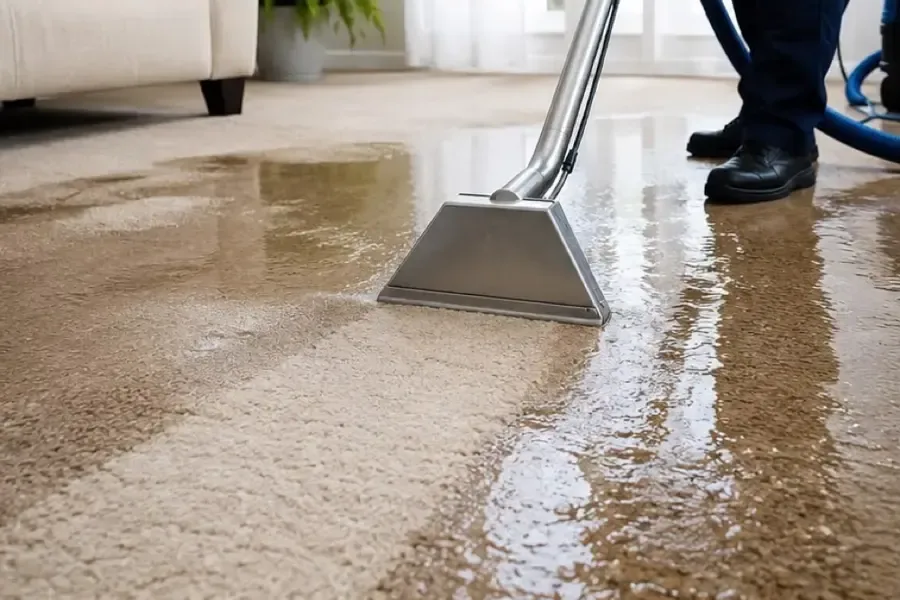
Pumps clear the water, then mud, silt and ruined contents are carried out of the building.
- 2
Strip the wet layers
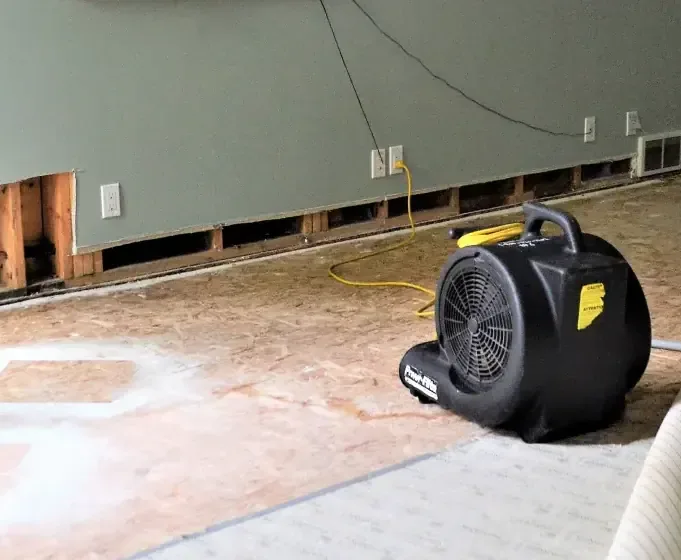
Carpet, pad and drywall below the water mark are removed and bagged.
- 3
Clean and sanitize
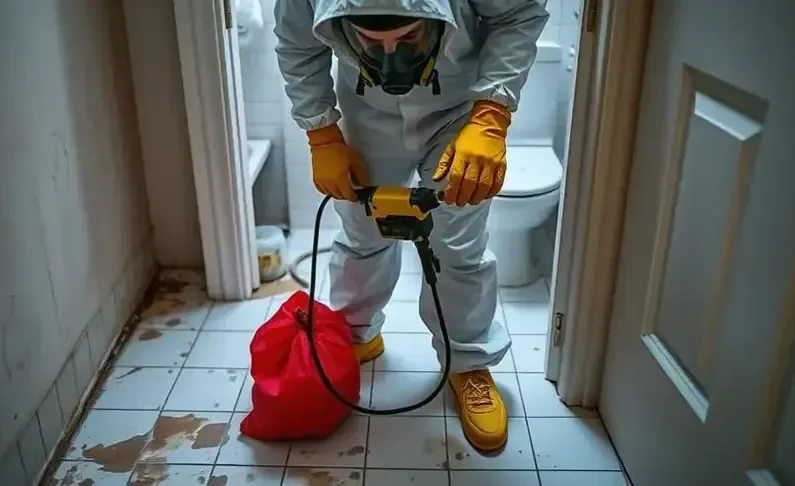
Hard surfaces and exposed framing are scrubbed and treated with an antimicrobial solution.
- 4
Dry and release
Air movers and dehumidifiers run until readings reach the dry goal, and the log is handed over.
Storm water is never treated as clean
Water that crosses streets, yards and gutters picks up dirt, oil and bacteria, so it is handled as contaminated. Carpet, pad and soaked insulation are removed rather than dried, hard surfaces are scrubbed and sanitized, and the room is dried only after the cleaning is done, using the same methods as structural drying.
- Mud and debris hauled out of the room
- Carpet, pad and tack strip removed
- Lower drywall cut above the water mark
- Floors and framing cleaned and sanitized
- Dehumidifiers and air movers set after cleaning
A regional storm, not a local flood record
A strong atmospheric river brought flash flooding and mud flows across Southern California in December 2025. Reports of the worst damage named foothill communities, so it is a regional event. In town, storm water problems usually start when heavy rain meets a roof, a clogged drain or a low spot.
Documenting the loss for a claim
Photos of the water depth, the water mark and every damaged item go in the file before anything is thrown out. Daily readings follow, and the crew notes which materials came out and why. Flood coverage is often separate from a standard homeowners policy, so the adjuster should hear about the loss early. Standing water starts with water extraction.
Storm and street flooding cleanup coverage and nearby areas
Storm cleanup covers houses, garages and ground floor units in ZIP codes 91801 and 91803, including Lindaraxa Tract and Bean Tract and the storefronts along Main Street and Valley Boulevard.
The same service nearby: storm and street flooding cleanup in Sun Valley, South Pasadena, San Gabriel.
Related water damage services in Alhambra
Storm and Street Flooding Cleanup: common questions
Is storm water considered contaminated?
Yes. Runoff from streets and yards carries dirt, oil and bacteria, so porous materials are removed and hard surfaces are sanitized before drying begins.
Does the city's flood status mean storm damage cannot happen?
No. FEMA lists the city as non-flood prone, but heavy rain can still overwhelm roofs, gutters and low entries. A lower flood risk is not zero risk.
Was the December 2025 storm a local event?
It was a regional atmospheric river across Southern California. Reports of the worst flooding and mud flows named foothill communities, so it should not be described as a local flood.
How soon should wet carpet come out?
Soon. Carpet and pad soaked by storm water hold contamination, and delay lets moisture climb into baseboards and drywall. Removal usually comes before any drying.
Does homeowners insurance cover flood water?
Often not under a standard policy, since flood coverage is usually separate. Ask the adjuster early, and keep photos and daily readings in case the claim is accepted.
Can the garage be saved after a flood?
Usually, since garage floors are hard surfaces. Water is pumped, silt is washed out and walls are dried, while stored boxes and drywall near the floor are checked and often discarded.
Get the mud and water out
Pumping, debris removal, sanitizing and drying leave the room ready for repairs, with photos and readings ready for the claim.