Storm Flood Cleanup in South Pasadena
Rain that pushes mud and debris into a garage or ground floor is extracted, then walls and flooring are cleaned, treated and dried, with every step photographed for the claim.
(888) 578-6508Get help with a flooded garage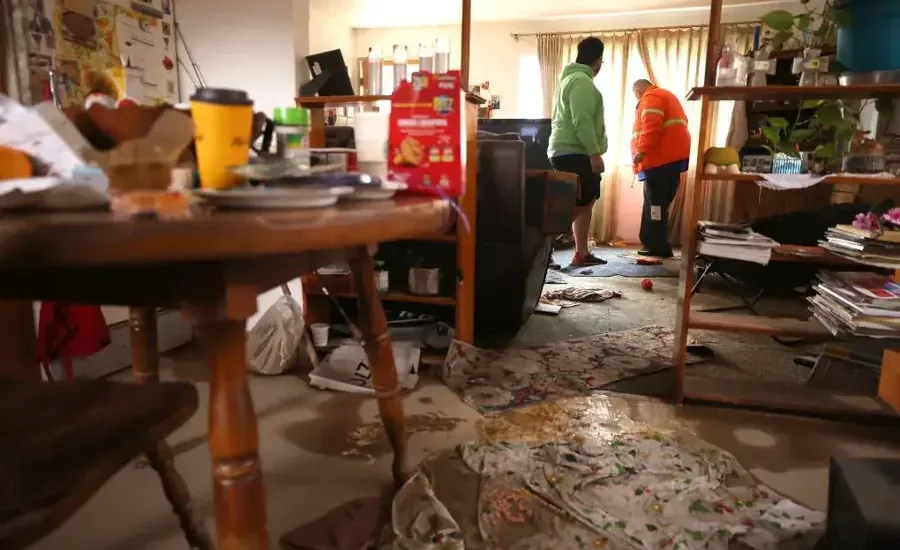
First steps for storm and street flooding cleanup
Switch off power
If the panel is dry and reachable, turn off power to flooded rooms, and stay out of water near outlets.
Wear protection
Floodwater carries bacteria, so use boots and gloves, and keep children and pets out of the affected area.
Photograph the damage
Capture the high water mark, mud on floors and walls, and damaged belongings before cleanup starts.
Call for cleanup
Tell the coordinator the water depth and the rooms hit, so pumps, wet vacuums and drying gear go on the truck.
How storm and street flooding cleanup is handled
In South Pasadena, the city's emergency plan says low-lying areas can flood in heavy prolonged storms or when storm drains clog with debris, and the water that results carries mud and contamination into garages and ground floors.
Rapid local response
Active water is treated as urgent at any hour, so the extraction crew starts while the water is still on the surface.
IICRC S500 drying standard
Moisture mapping comes first, then extraction, air movers and LGR dehumidifiers sized to the class of loss.
Claim-ready documentation
The mitigation team keeps a moisture map, daily psychrometric logs and timestamped photos for the adjuster.
Valley water know-how
Slab floors, copper under concrete, hard water and storm runoff with nowhere to drain shape each drying plan.
What does storm and street flooding cleanup cost in South Pasadena, CA?
Expect $2,500 to $5,000 for a garage or one room, $5,000 to $10,000 once several ground-floor rooms are involved, and $10,000 to $15,000 or more when the whole ground floor is soaked. Mud, contaminated water and deep wall soaking push the final cost upward.
Garage or a room
$2,500 to $5,000- Pumping and debris removal
- Lower drywall and baseboards cut
- Cleaning and drying
Several rooms
$5,000 to $10,000- Carpet, pad and tack strip out
- Flood cuts on soaked walls
- Days of dehumidifier drying
Whole ground floor
$10,000 to $15,000+- Most flooring removed
- Wide wall removal and cleaning
- Extended structural drying
Ranges are typical, not a quote: the water category, square footage, material class and how fast drying started move the number most. The water damage cost calculator gives a closer planning range.
Storm and Street Flooding Cleanup, step by step
- 1
Pump and shovel
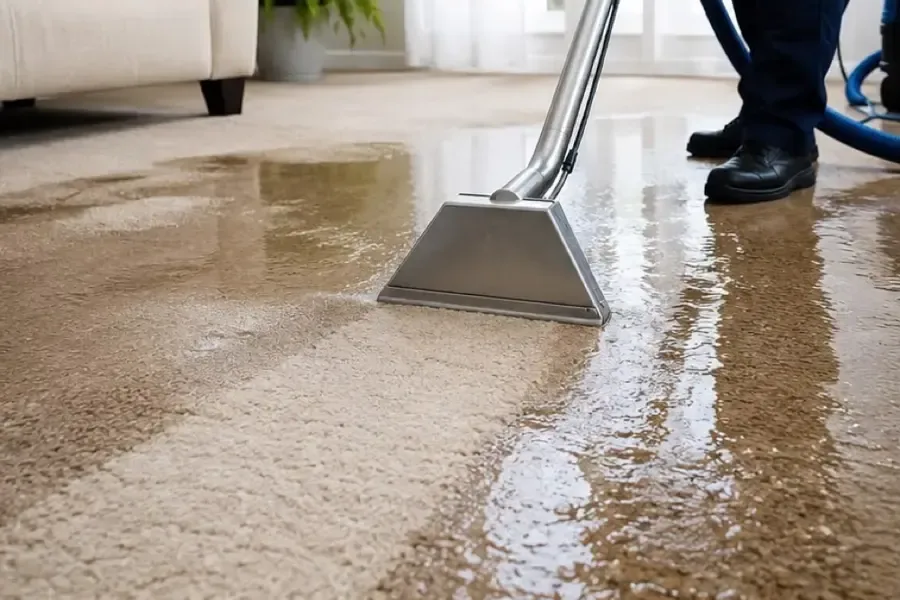
Pumps and wet vacuums clear the water, then mud and debris are shoveled out.
- 2
Remove soaked materials
Carpet, pad and lower drywall that sat in storm water are cut out and bagged.
- 3
Clean and disinfect
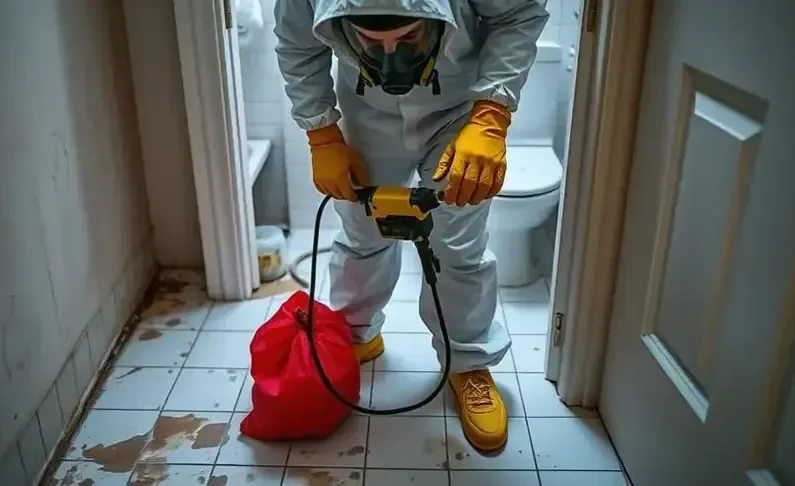
Surfaces and framing are washed and treated, and hard floors cleaned before equipment is set.
- 4
Dry and confirm
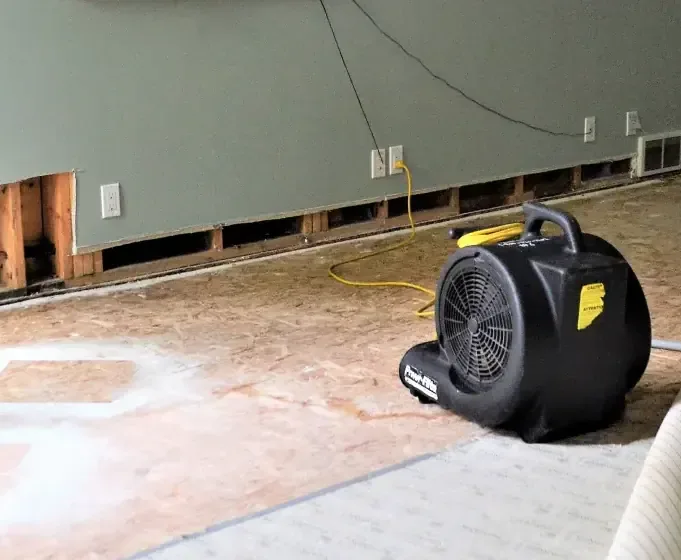
Air movers and dehumidifiers run while readings are logged, and walls close only when dry.
What storm water leaves behind
Street water is not clean. It brings silt, oil, leaves and bacteria, so carpet, pad and lower drywall that sat in it are usually removed rather than dried. Hard surfaces are scraped, washed and disinfected, and garage floors are cleaned before equipment goes in.
Sandbags and drains
For the December 2025 storm, the city set out self-serve sand and sandbags at the Arroyo Seco Golf Course on Lohman Lane while supplies lasted. Sandbags help at a door, though they do not stop water that rises through a floor drain.
Hills, mud and debris
The emergency plan also warns of mud and debris flows, and of hills in the southwest corner of the city where heavy or repeated rain could weaken hillsides. Mud that reaches a home is shoveled out first, because it holds water against walls and floors.
Drying after the cleanup
Once mud, debris and soaked materials are out, air movers and dehumidifiers dry the framing, and meters confirm each wall before it is closed. Larger losses follow the plan in structural drying, and the pumping steps are described under water extraction.
Flood damage is often excluded from standard homeowner policies, so ask the insurer what applies before filing, and keep dated photos of the high water mark, the mud and every discarded item.
Storm and street flooding cleanup coverage and nearby areas
Storm calls cover homes, garages and shops across the city, and the city's emergency plan names the Arroyo Seco Wash, which runs through the western part of South Pasadena, as the primary flooding threat.
The same service nearby: storm and street flooding cleanup in Sun Valley, Alhambra, San Marino.
Water damage restoration in South Pasadena · every town covered
Related water damage services in South Pasadena
Storm and Street Flooding Cleanup: common questions
Is storm water in a garage dangerous?
Treat it as contaminated, because street water carries silt, bacteria and chemicals. Keep power off near the water, wear boots and gloves, and let the crew handle removal and disinfection.
Does homeowners insurance cover storm flooding?
Standard homeowner policies often exclude flood damage, while separate flood coverage may apply. Ask the insurer what your policy says before you file, and keep photos and records of everything.
How long after a storm should cleanup start?
As soon as it is safe, because wet drywall, carpet and wood begin to swell and sour within a day or two. A fast start keeps more material salvageable.
Can flooded walls be dried or do they come out?
Drywall that sat in storm water is usually cut out at least a short way above the high water mark, while framing is cleaned and dried. Readings decide where the cut stops.
What should I move out of a flooded room first?
Move people and pets first, then valuables and electronics to higher ground. Leave heavy furniture for the crew, and photograph items before they are moved.
Will the smell go away after drying?
Odor usually fades when the contaminated materials are removed and the structure is cleaned and dried to normal readings. If it lingers, the crew rechecks wall cavities and carpet edges for moisture.
Clear the flood before it settles
A coordinator asks how deep the water got and where it entered, then plans pumps, cleaning supplies and drying equipment.