Structural Drying in South Pasadena
Wet walls, floors and ceilings keep holding water after the visible puddle is gone, so air movers and dehumidifiers run on a plan built from meter readings until the materials are dry.
(888) 578-6508Ask about drying a wet structure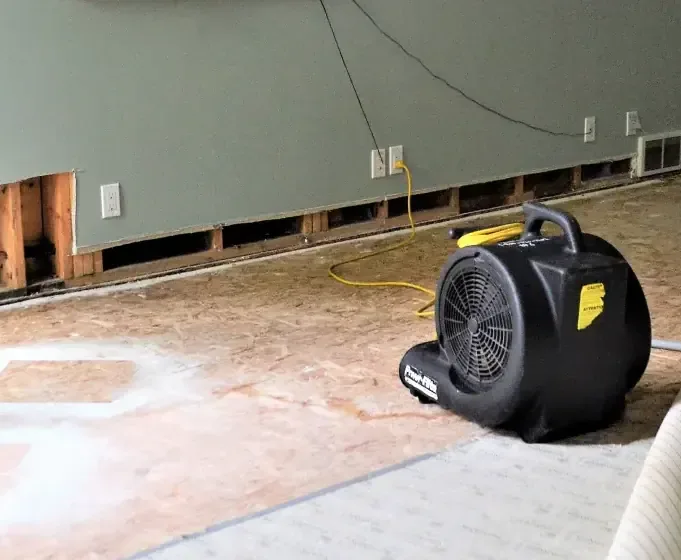
First steps for structural drying and dehumidification
Stop the source
Confirm the leak is shut off and fixed before any equipment goes in.
Remove standing water
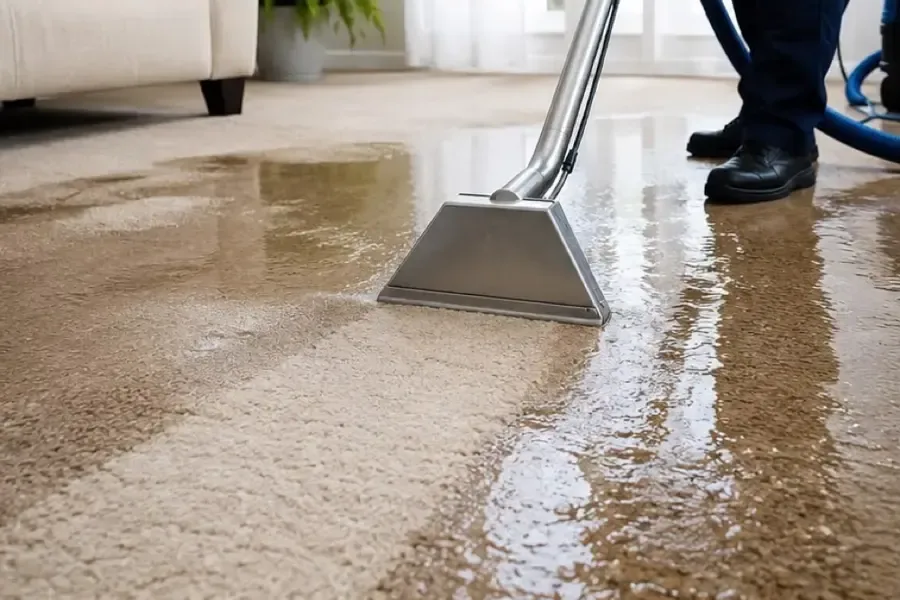
Extract or mop the floor so equipment can work on moisture inside materials.
Clear the space
Move furniture and boxes away from walls, and open closet and cabinet doors.
Plan the power
Show the crew which outlets are safe, since equipment runs day and night.
How structural drying and dehumidification is handled
Removing standing water is only half of a water loss, because wood, drywall and concrete keep holding moisture that can swell finishes and feed mold. South Pasadena counts more than fifty local landmarks across five historic districts, and older buildings among them reward slow, measured drying.
Rapid local response
Active water is treated as urgent at any hour, so the extraction crew starts while the water is still on the surface.
IICRC S500 drying standard
Moisture mapping comes first, then extraction, air movers and LGR dehumidifiers sized to the class of loss.
Claim-ready documentation
The mitigation team keeps a moisture map, daily psychrometric logs and timestamped photos for the adjuster.
Valley water know-how
Slab floors, copper under concrete, hard water and storm runoff with nowhere to drain shape each drying plan.
What does structural drying and dehumidification cost in South Pasadena, CA?
One or two rooms usually cost $1,500 to $3,000 to dry, several rooms or a slab run $3,000 to $5,500, and dense materials like hardwood, plaster or concrete can reach $8,000 or more. Daily monitoring is included.
One or two rooms
$1,500 to $3,000- Air movers and a dehumidifier
- Daily meter visits
- Three or four days
Several rooms or a slab
$3,000 to $5,500- Refrigerant dehumidifiers
- Cavity and subfloor drying
- Four to six days
Dense slow-drying materials
$5,500 to $8,000+- Desiccant dehumidification
- Hardwood, plaster or concrete
- Extended monitoring
Ranges are typical, not a quote: the water category, square footage, material class and how fast drying started move the number most. The water damage cost calculator gives a closer planning range.
Structural Drying and Dehumidification, step by step
- 1
Measure the damage
Meters and a thermal camera set the starting readings and mark the wet zones.
- 2
Set the equipment
Air movers and dehumidifiers go in according to room size and material type.
- 3
Monitor daily
Readings are taken at the same points, and equipment is moved as areas reach dry values.
- 4
Sign off
Final readings are recorded, the equipment is removed and the owner receives the complete drying file.
Why surface dry is not dry
A floor can feel dry while the subfloor beneath it, the bottom of the wall and the insulation inside the cavity are still wet. Meters read moisture inside materials, and a thermal camera shows cool, wet zones, so the plan covers what the eye cannot see. For the first stage, see water extraction.
How the equipment works
Air movers sweep a thin layer of air across wet surfaces so moisture evaporates, and dehumidifiers collect that vapor so it does not settle back into the walls. Cavity drying pushes warm air into closed wall bays through small openings, which dries framing without removing the whole wall.
Hardwood, plaster and concrete release moisture slowly, so desiccant dehumidifiers and low, steady heat may be added where a building has them. These materials are probed at the same spots each day so the numbers can be compared.
What the daily visit includes
Each visit is short but follows the same steps.
- Moisture readings at marked spots
- Temperature and humidity in the room
- Equipment moved or removed as areas dry
- Notes and photos added to the file
Knowing when to stop
Drying ends when each material matches the dry reference value for its type, not when the room feels comfortable. Stopping early leaves hidden moisture that can warp flooring, loosen paint and encourage mold, so the final readings are written down for the owner and the adjuster. Slab and wall cases are covered in slab leak water damage.
Structural drying and dehumidification coverage and nearby areas
Drying plans are set for houses, apartments and shops across South Pasadena, with extra care for older buildings in Oaklawn and Mission West, and the readings, not a calendar, decide how long the equipment stays.
The same service nearby: structural drying and dehumidification in Sun Valley, Alhambra, San Marino.
Water damage restoration in South Pasadena · every town covered
Related water damage services in South Pasadena
Structural Drying and Dehumidification: common questions
How long does structural drying take?
Most jobs run three to six days, with dense materials like hardwood, plaster or concrete taking longer. Daily readings decide when the equipment can leave.
Can the equipment run overnight safely?
Yes. It is built to run around the clock and is placed on safe circuits, with cords kept clear of walkways. The noise is steady, and the crew can adjust placement near bedrooms.
Why are walls opened if only the floor got wet?
Water wicks upward into the bottom of the wall and spreads sideways inside the cavity. A small opening at the base lets air and meters reach the wet insulation and framing.
Do dehumidifiers and air movers raise the electric bill?
They do add to electricity use while they run, since the equipment operates around the clock. The crew keeps the equipment count as low as the readings allow and removes units as areas dry.
Can wet hardwood floors be dried instead of replaced?
Often yes, if drying starts early. Hardwood is dried with panels or mats that pull moisture from the boards, and the readings show whether cupping will relax.
What if readings stall before reaching dry?
A stalled reading usually means water is still entering or a hidden pocket remains. The crew rechecks for leaks, opens that spot and adds airflow until the numbers move again.
Dry the structure properly
A coordinator needs the rooms affected, the materials involved and any power limits, then plans equipment and daily readings.