Pasadena Water Extraction and Standing Water Removal
Standing water ruins flooring and wall bottoms fast, so extraction comes first. Pasadena crews pull the water out with truck-mounted and portable units, then map where moisture traveled and start drying.
(888) 578-6508Request water extraction help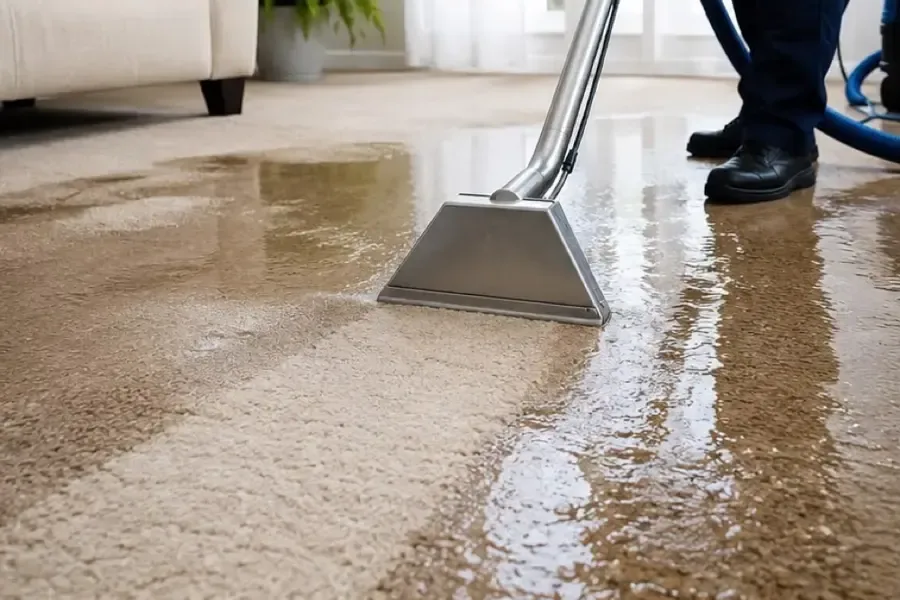
First steps for water extraction and removal
Stop the source
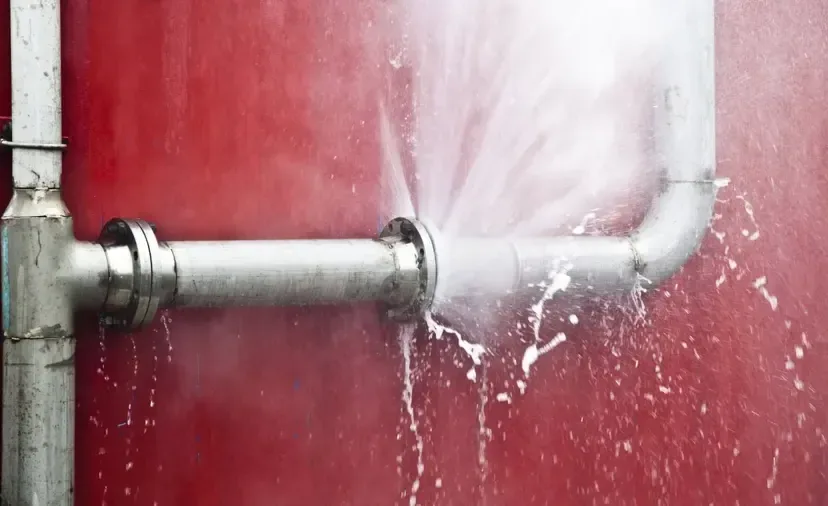
Shut the water off at the fixture or the main so nothing new reaches the floor.
Clear the floor
Lift small items, furniture legs and loose rugs out of the wet zone, and leave heavy pieces for the crew.
Photograph it
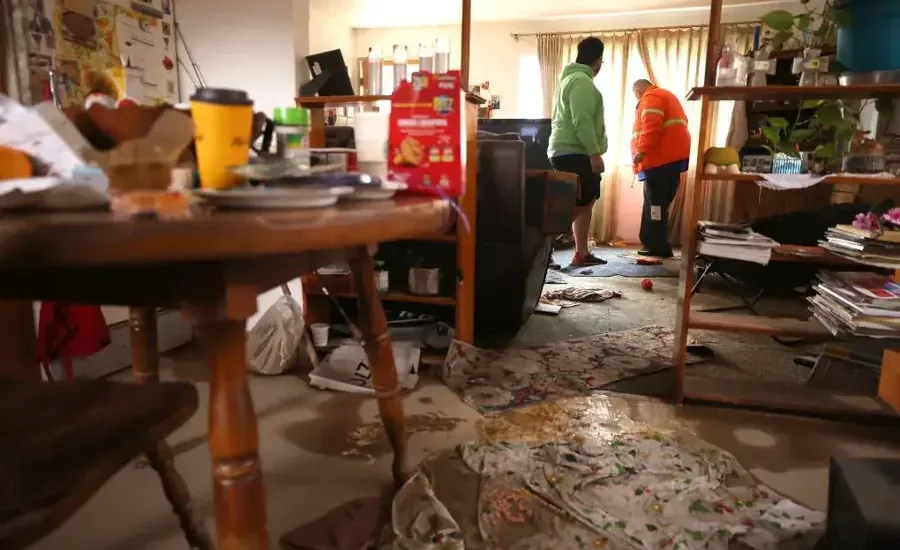
Take pictures of the water, the floor and any damaged belongings before anything is moved.
Start extraction
Have the water pulled out and the moisture mapped so drying can be planned around real readings.
How water extraction and removal is handled
Extraction is the first job in any water loss, because water left standing keeps wicking into pad, baseboard and drywall. In Pasadena that usually follows a supply leak, a failed hose or a storm that found its way indoors. The sooner the surface water is gone, the less of the building has to be opened later.
Rapid local response
Active water is treated as urgent at any hour, so the extraction crew starts while the water is still on the surface.
IICRC S500 drying standard
Moisture mapping comes first, then extraction, air movers and LGR dehumidifiers sized to the class of loss.
Claim-ready documentation
The mitigation team keeps a moisture map, daily psychrometric logs and timestamped photos for the adjuster.
Valley water know-how
Slab floors, copper under concrete, hard water and storm runoff with nowhere to drain shape each drying plan.
What does water extraction and removal cost in Pasadena, CA?
Water extraction in Pasadena usually runs from $400 to $1,800 for a small area, $1,500 to $4,500 when drying is included, and $4,500 to $9,000 or more when the water is contaminated or the area is large. Final cost depends on square footage, water category and how long the water sat.
Small area, extraction only
$400 to $1,800- A single room or one hallway
- Truck-mounted or portable extraction units
- Moisture readings taken before and after
Extraction plus drying
$1,500 to $4,500- Two or three rooms need attention
- LGR dehumidifiers and air movers set
- Daily readings for several days running
Large or contaminated loss
$4,500 to $9,000+- Contaminated water or a large area
- Pad and baseboards removed as needed
- Antimicrobial treatment and complete drying
Ranges are typical, not a quote: the water category, square footage, material class and how fast drying started move the number most. The water damage cost calculator gives a closer planning range.
Water Extraction and Removal, step by step
- 1
Survey the loss
A moisture meter and thermal camera show how far the water traveled under floors and into walls and subfloor.
- 2
Extract the water
Truck-mounted or portable units pull standing water, and weighted tools press it from carpet and pad.
- 3
Remove what cannot dry
Soaked pad, swollen baseboard and contaminated materials come out so the structure can dry cleanly.
- 4
Set up drying
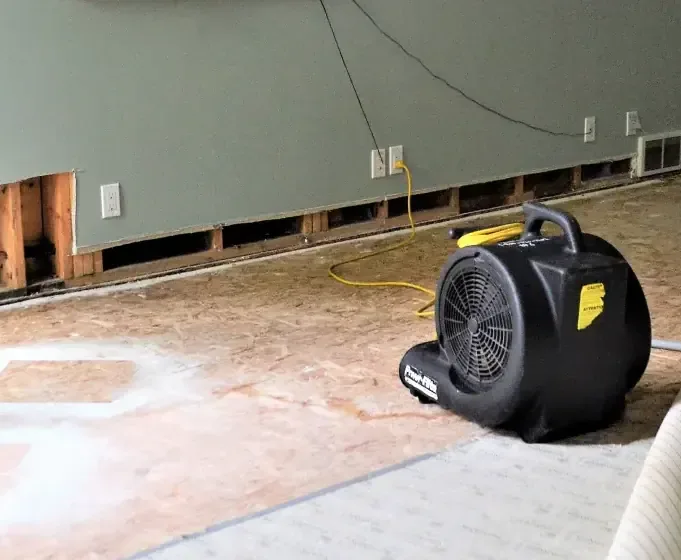
Air movers and dehumidifiers go in, and readings are logged daily until every material reaches its dry standard.
How extraction works on wet floors
Crews start with a moisture survey so the wet area is mapped before anything is pulled up. Truck-mounted units handle large volumes, while portable extractors work tight spots such as closets and stairs. Weighted wands press water out of carpet and pad, and hard floors are squeegeed and vacuumed so nothing is left pooled in seams.
Apartments and shared walls
SCAG housing data for the city lists 30,998 renter-occupied units and 23,396 owner-occupied ones, so many losses start in a unit above or beside the one that is wet. Extraction in those buildings is planned around neighbors, shared walls and building managers, and each wet room is photographed so the source and the spread are on record.
What happens after the water is out
Extraction removes the bulk of the loose water, but framing, drywall and subfloor still hold moisture that readings can see and a nose cannot. Pulling water alone is rarely enough, which is why structural drying usually follows extraction. Air movers and dehumidifiers are set next, and readings are repeated daily.
When storm or sewage water is involved
Not all standing water is the same. Water from a storm, a floor drain or a sewer backup carries contamination, so carpet and pad are usually removed rather than saved, and surfaces are cleaned and treated after extraction. Those jobs are covered on the storm flood cleanup and sewage backup cleanup pages.
Water extraction and removal coverage and nearby areas
Water extraction covers local homes, apartments and shops, from Bungalow Heaven bungalows and Hastings Ranch tracts to Old Pasadena storefronts and the South Lake Avenue Business District. Crews also work near the Arroyo Seco and along Colorado Boulevard.
The same service nearby: water extraction and removal in Sun Valley, San Marino, South Pasadena.
Water Extraction and Removal: common questions
How soon should water be extracted?
As soon as the source is stopped and it is safe to enter. Water left sitting keeps spreading into pad, baseboard and drywall, so a short delay can turn a small wet area into several affected rooms.
Can wet carpet be saved after extraction?
Often yes, when the water is clean and the carpet is lifted and dried promptly. Pad is usually replaced, and carpet that was soaked by storm or sewage water is removed instead.
Does extraction include drying the walls?
Extraction takes the water off surfaces. Walls, floors and framing are dried as a separate step with air movers and dehumidifiers, which is covered under structural drying and logged with daily readings.
What if the leak started in a neighboring unit?
Water from an upstairs or adjoining unit is common in buildings with shared walls. Photographs, moisture readings and notes on where the water entered support a claim, and the source unit's owner or manager usually needs to be told.
Is a wet vacuum enough for a small spill?
For a few cups on a hard floor, yes. Anything that reaches carpet pad, cabinet bases or baseboards needs meter readings, because hidden moisture is what causes swelling and odors later, even when the surface looks dry.
Can shops and offices get extraction too?
Yes. Old Pasadena storefronts, offices and other commercial spaces are handled with phased extraction that limits disruption to neighbors and tenants; see commercial water damage for details.
Get the water out before it spreads
Extraction crews serve Pasadena homes, apartments and shops, and a drying plan follows once the water is out.