Sewage Backup Cleanup in Pasadena, CA
A sewage backup is contaminated water that needs containment, not a mop. Pasadena crews seal off the area, remove affected materials, clean and treat the surfaces, and dry the space once it is safe.
(888) 578-6508Request sewage cleanup help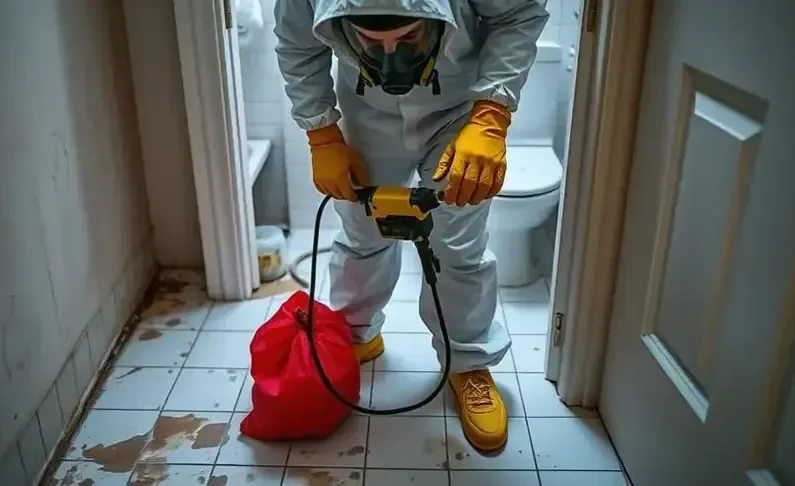
First steps for sewage backup cleanup
Keep out
Stay out of the affected rooms and keep children and pets away from the contaminated area.
Stop using drains
Do not flush, run the washer or use sinks until the blockage is cleared.
Photograph and note
Record the affected areas and what was touched before cleanup begins.
Call the cleanup crew
Arrange professional containment and removal rather than cleaning with household tools.
How sewage backup cleanup is handled
Sewage that comes up through a drain or toilet is contaminated, and it is treated that way from the first step. The goal is to stop it spreading, take out what cannot be cleaned and leave surfaces ready for drying and repair.
Rapid local response
Active water is treated as urgent at any hour, so the extraction crew starts while the water is still on the surface.
IICRC S500 drying standard
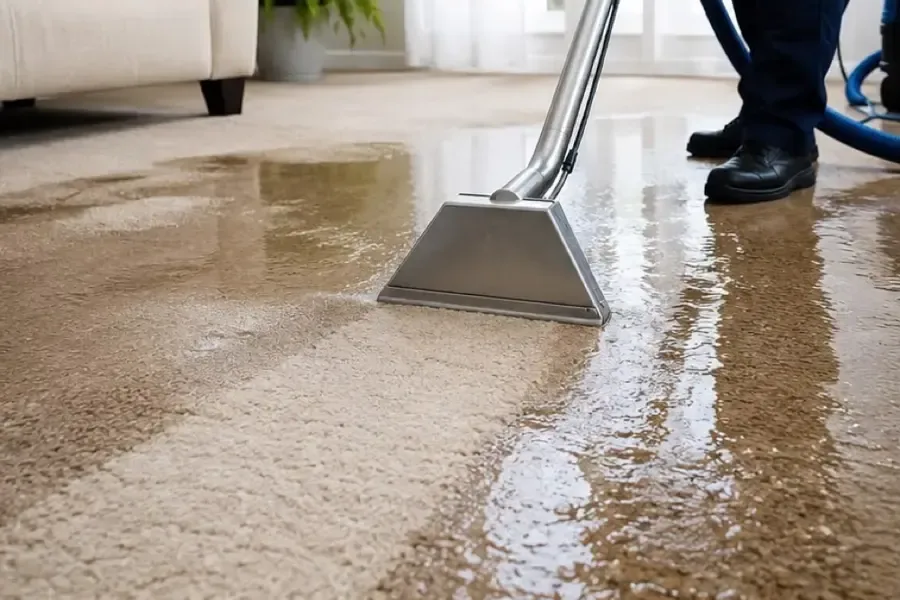
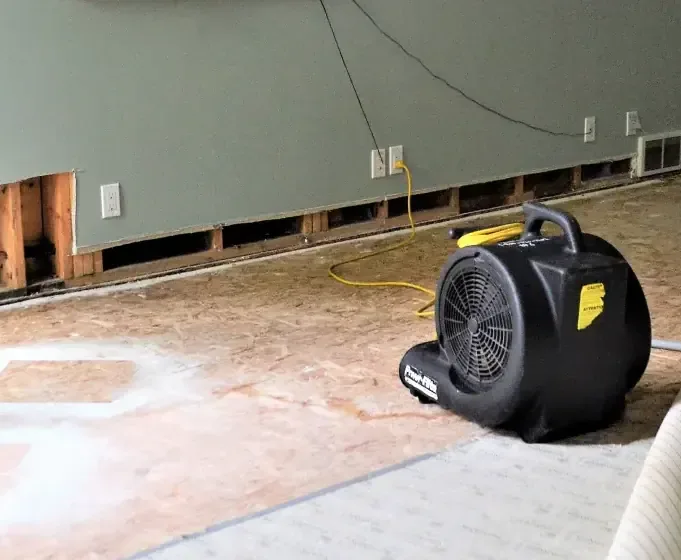
Moisture mapping comes first, then extraction, air movers and LGR dehumidifiers sized to the class of loss.
Claim-ready documentation
The mitigation team keeps a moisture map, daily psychrometric logs and timestamped photos for the adjuster.
Valley water know-how
Slab floors, copper under concrete, hard water and storm runoff with nowhere to drain shape each drying plan.
What does sewage backup cleanup cost in Pasadena, CA?
Sewage backup cleanup in Pasadena commonly costs $2,000 to $4,000 for a bathroom or small area, $4,000 to $7,500 for several rooms, and $7,500 to $10,000 or more for a large backup. Contaminated materials and the extent of removal drive the final number.
Bathroom or small area
$2,000 to $4,000- One bathroom or hallway
- Containment and removal
- Cleaning and drying done
Several rooms
$4,000 to $7,500- Carpet and lower drywall removed
- HEPA air scrubbers running
- Framing cleaned and treated
Large backup
$7,500 to $10,000+- Most of one floor affected
- Wide removal and cleaning
- Longer drying and verification
Ranges are typical, not a quote: the water category, square footage, material class and how fast drying started move the number most. The water damage cost calculator gives a closer planning range.
Sewage Backup Cleanup, step by step
- 1
Contain the area
Plastic sheeting and negative air keep contamination from reaching clean rooms.
- 2
Remove affected materials
Carpet, pad, lower drywall and insulation that touched sewage are cut out and bagged for disposal.
- 3
Clean and treat
Hard surfaces and framing are cleaned, then treated with antimicrobial products.
- 4
Dry and verify
Drying equipment runs until readings are normal, then a final check clears the space.
Why old sewers cause backups
The city's sewer system averages 91 years old, with pipe ranging from 18 to 138 years, and more than 90 percent of it is vitrified clay. The city lists heavy root intrusion and deteriorated pipes and manholes as known problems, and it names roots and grease build-up as common causes of house sewer blockages.
Who maintains which part of the pipe
Under the Pasadena Municipal Code, the property owner maintains the house sewer, which runs beyond the edge of the lot into the street to the city sewer main. A blockage in that stretch is the owner's to clear, so a plumber's camera inspection and the cleanup are usually arranged together.
Removal, treatment and drying
Crews seal the area with plastic, run HEPA air scrubbers and remove carpet, pad, lower drywall and insulation the sewage touched. Hard surfaces and exposed framing are cleaned and sprayed with an antimicrobial before any drying equipment is set. Drying begins once contaminated materials are gone. Dehumidifiers and air movers run until readings reach dry standards, using the methods described on the structural drying page, and a final check confirms the area is ready for rebuilding.
If sewage rises from a manhole
Sewage coming up from a manhole in the street is reported to the City of Pasadena Citizen Service Center, since opening a manhole is illegal. Backups inside a building are different and go through water extraction and the cleanup steps above.
Sewage backup cleanup coverage and nearby areas
Sewage cleanup covers houses, apartments and businesses across the city, including older neighborhoods such as Garfield Heights, Prospect Park and Bungalow Heaven, as well as Hastings Ranch and the Old Pasadena commercial blocks.
The same service nearby: sewage backup cleanup in Sun Valley, San Marino, South Pasadena.
Related water damage services in Pasadena
Sewage Backup Cleanup: common questions
Is a sewage backup dangerous?
It can be. Sewage carries bacteria and other contaminants, so people and pets should stay out, and affected porous materials are removed instead of cleaned in place.
Who is responsible when the backup is in the house sewer?
The property owner maintains the house sewer, which extends past the property edge to the city main. Sewage that rises from a manhole in the street is reported through the Citizen Service Center.
What causes sewer backups in older neighborhoods?
Tree roots, grease build-up and aging pipe are the usual suspects. The city sewer system averages 91 years old and is mostly vitrified clay, which is why plumbers often camera the drain after a backup.
Can carpet be saved after sewage contact?
Almost never. Carpet and pad act like sponges for contaminated water, so they are removed and replaced, while hard floors and sealed surfaces can often be cleaned and treated.
Does a toilet overflow count as sewage?
Often yes, especially when the overflow comes from a blocked house sewer. If the water is mixed with waste it is handled as contaminated, and the blockage should be cleared by a plumber.
Is it safe to connect patio or roof drains to the sewer?
No. The city says it is illegal to connect patio drains, roof downspouts, pool overflow drains or footing drains to a sanitary sewer pipe.
Contain it before it spreads
Sewage backup crews work in Pasadena homes and businesses, sealing off the area and removing what the water touched.