Slab Leak Water Damage in Pasadena, CA
When a pressurized pipe leaks under a concrete floor, water soaks the flooring from below. The restoration team finds the wet area, lifts what traps the moisture and dries the slab and wall bottoms with daily readings.
(888) 578-6508Floor warm or damp? Call about a slab leak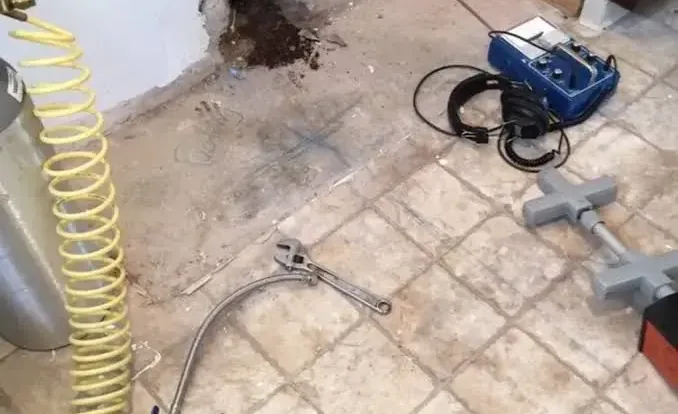
First steps for slab leak water damage
Stop the water
When the meter dial moves with every tap closed, turn off the house valve until a plumber arrives.
Flag the warm areas
Put painter's tape on spots that feel warm or damp so they are easy to find again.
Document first
Take pictures of hollow tile, puffy baseboards and wet carpet for the insurer before moving anything.
Give the floor air
Then shift rugs, chairs and stored boxes off the damp zone so it can breathe.
How slab leak water damage is handled
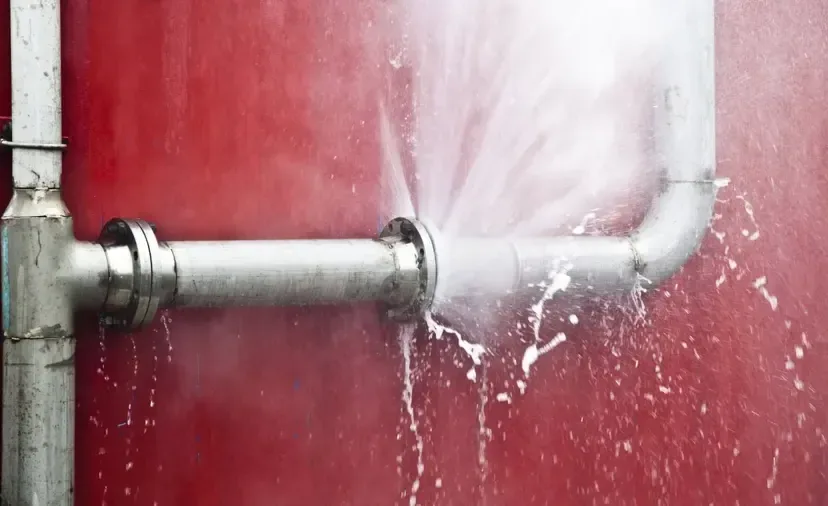
Foundations vary from street to street in the city, and not every home sits on a concrete slab. Where one does, a leak in a pressurized pipe under or inside the pour runs around the clock until the water is shut off, soaking the flooring from below.
Rapid local response
Active water is treated as urgent at any hour, so the extraction crew starts while the water is still on the surface.
IICRC S500 drying standard
Moisture mapping comes first, then extraction, air movers and LGR dehumidifiers sized to the class of loss.
Claim-ready documentation
The mitigation team keeps a moisture map, daily psychrometric logs and timestamped photos for the adjuster.
Valley water know-how
Slab floors, copper under concrete, hard water and storm runoff with nowhere to drain shape each drying plan.
What does slab leak water damage cost in Pasadena, CA?
Slab leak water damage drying here typically costs $1,800 to $8,000, apart from the plumbing repair. The price follows how far water spread under the flooring, which flooring has to be lifted, the square footage and how long the leak ran.
Small wet area
$1,800 to $3,500- A single room or hallway
- Covering pulled up over the damp zone
- Drying equipment aimed at the bare concrete
Several rooms
$3,500 to $6,000- Moisture traveled under carpet or plank
- Trim and the base of walls cut away
- Readings on concrete and walls each visit
Leak that ran for weeks
$6,000 to $8,000+- Most of one floor reads wet
- Large sections of covering removed
- A longer drying period, fully logged
Ranges are typical, not a quote: the water category, square footage, material class and how fast drying started move the number most. The water damage cost calculator gives a closer planning range.
Slab Leak Water Damage, step by step
- 1
Chart the wet zone
Infrared images and meter readings show where water spread across the concrete and how high it climbed the walls.
- 2
Coordinate with the plumber
The leak locator opens and fixes the pipe, and the drying setup is planned around that access hole.
- 3
Expose the concrete
Pad, plank or sheet vinyl over the damp zone is pulled so the slab can give up its water.
- 4
Dry, then verify
Equipment runs on the bare slab until its readings match an unaffected part of the same floor.
How a slab leak shows itself
A puddle in the middle of a room is the exception. The common clues are subtler:
- Heat you can feel through tile or concrete, when hot-water pipe is the one failing
- A hiss or trickle in the walls while every tap is closed
- The meter dial creeping ahead with nothing running
- Carpet that feels damp, tile that sounds hollow or baseboards that swell in a dry room
- A bill that climbs month after month for no clear reason
Hard water and older plumbing
The city's water utility reports an average hardness near 250 ppm and says hard water leaves scale on fixtures and in water heaters. It has also been replacing street mains that served for 90 to 100 years. Those facts do not locate a leak in any one house, but they are a reminder that plumbing here can be old, so a warm floor or a meter that keeps moving deserves a prompt check.
Who repairs the pipe and who dries the floor
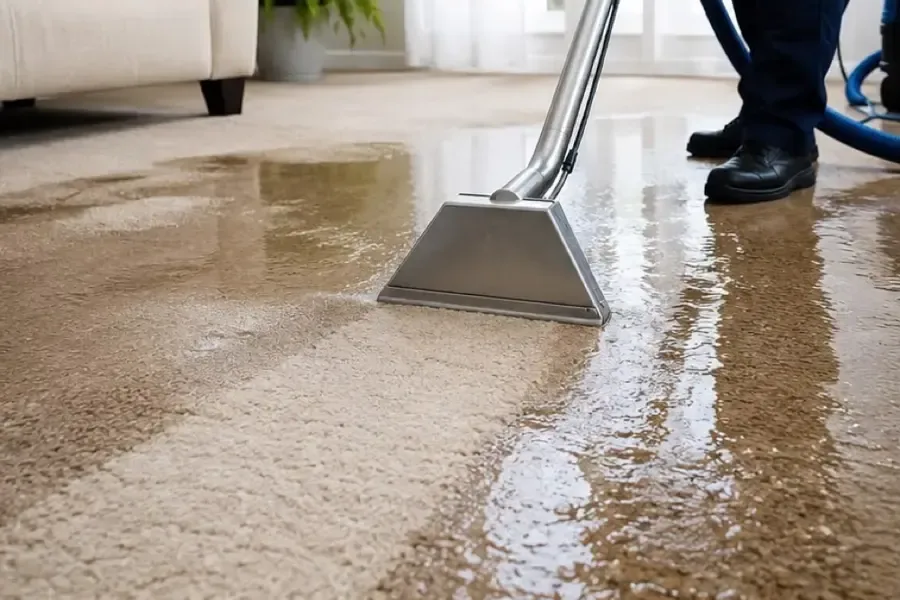
A plumber or leak locator finds and repairs the pipe, whether by a spot repair through the concrete, a liner or a reroute through walls or the attic. The restoration team handles the water around that repair. It maps how far moisture spread under the flooring, lifts the pad, laminate or vinyl trapping it, and dries the slab, bottom plates and drywall. Standing water goes first, through water extraction.
Why concrete is slow to dry
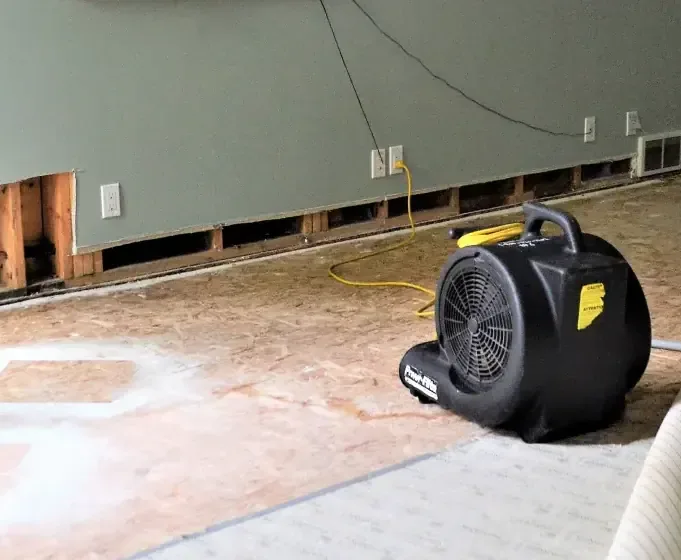
A slab holds water deep in the pour and gives it up slowly, so flooring left on top keeps it wet. The drying team runs dehumidifiers and air movers right on the exposed concrete and compares readings with a dry part of the same slab. Equipment stays until the two match, the method behind structural drying. Drying within 24 to 48 hours limits mold growth on damp materials.
Slab leaks and the claim file
Insurers often split a slab leak into parts: the sudden water damage, the pipe repair and the work of opening the floor, each handled under its own terms. The drying file, with dated photos, a moisture map and readings from each day, records what got wet and when. Your own policy decides what is paid, so ask your insurer how it treats each part.
Slab leak water damage coverage and nearby areas
Slab leak drying covers ZIP 91101, 91103, 91104, 91105, 91106 and 91107, from Bungalow Heaven and Garfield Heights to Prospect Park, Hastings Ranch, Lamanda Park and the homes near the Arroyo Seco.
The same service nearby: slab leak water damage in Sun Valley, San Marino, South Pasadena.
Related water damage services in Pasadena
Slab Leak Water Damage: common questions
How can I tell if a leak is under my slab?
Heat through the floor, a trickling sound with all taps closed, a meter dial that keeps creeping and damp flooring far from any plumbing fixture are the clues most people notice first.
Is every leak under the floor a slab leak?
Not always. Water under flooring can also come from a nearby supply pipe, a toilet seal or a leak inside a wall. The walkthrough confirms the source with meters and an infrared camera before any flooring is lifted.
Can the pipe be repaired without breaking the floor?
Often. A plumber may reroute the pipe through walls or the attic or line it, while a spot repair needs a small opening in the concrete. Either way, the wet slab and walls still need drying.
How many days does wet concrete need?
A limited damp zone commonly needs three to five days once its covering is off. A leak that ran for weeks can need a week or longer, and the meter numbers set the finish date.
Will all of my flooring come up?
No. Covering comes up only where the meters find water beneath it. Tile set straight onto the concrete can sometimes stay while the grout and edges dry out.
Will insurance pay for slab leak damage?
Insurers often pay for sudden water damage from a slab leak while treating the plumbing fix and floor access under separate terms. Your own policy decides, so ask your insurer how it handles each part.
Damp floor with no leak in sight? Call now.
The drying team charts the wet concrete, pulls the covering that traps it and dries the slab to a measured target.