Ceiling Leak Water Damage Cleanup in Pasadena
A stain on the ceiling usually means water has already soaked the drywall and the joist bays above it. Pasadena crews trace the source, dry or open the ceiling, and track every reading until it is dry.
(888) 578-6508Request ceiling leak help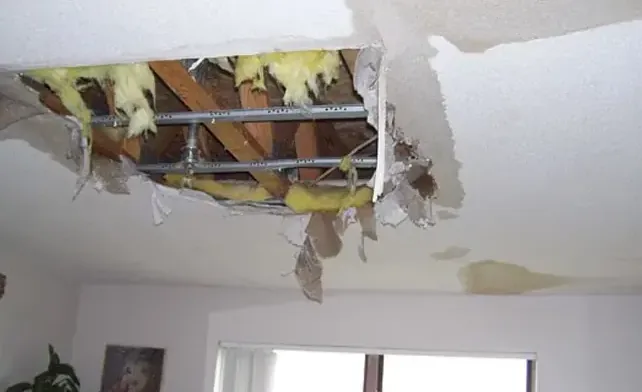
First steps for ceiling leak water damage
Stop the water
Shut off the fixture or main valve above the stain, and turn off power if the ceiling is wet near lights.
Relieve the bulge
Place a bucket under a bulging ceiling and, if it is safe, pierce the lowest point to drain it.
Take photos
Photograph the stain, the ceiling and any damaged belongings before cleanup.
Call for drying
Have the wet ceiling and the insulation above it checked and dried promptly.
How ceiling leak water damage is handled
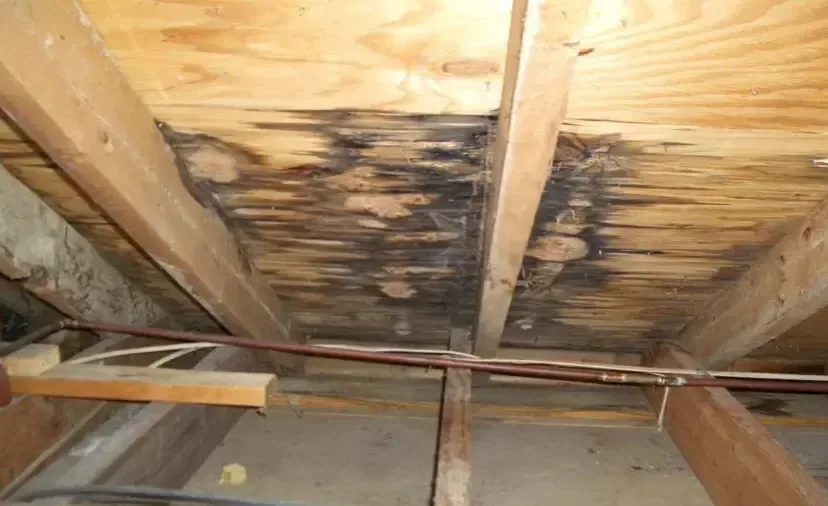
Ceiling leaks are rarely a ceiling problem alone. The water comes from somewhere above, a bath, a supply pipe or the roof, and by the time a stain appears it has often crossed the insulation and reached the joists.
Rapid local response
Active water is treated as urgent at any hour, so the extraction crew starts while the water is still on the surface.
IICRC S500 drying standard
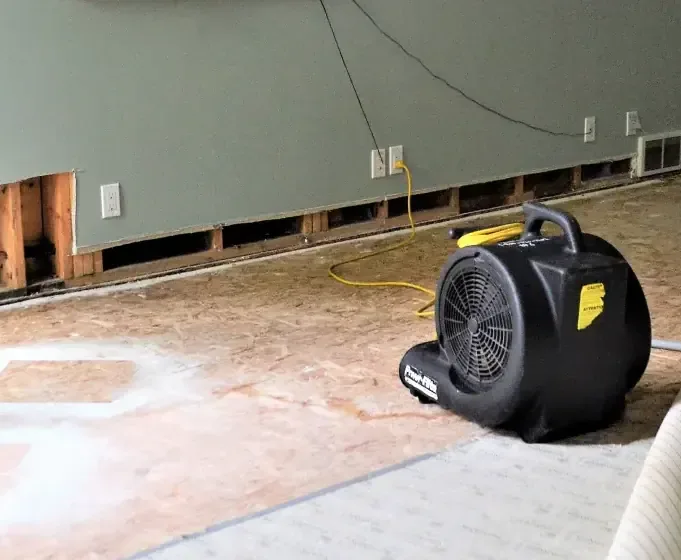
Moisture mapping comes first, then extraction, air movers and LGR dehumidifiers sized to the class of loss.
Claim-ready documentation
The mitigation team keeps a moisture map, daily psychrometric logs and timestamped photos for the adjuster.
Valley water know-how
Slab floors, copper under concrete, hard water and storm runoff with nowhere to drain shape each drying plan.
What does ceiling leak water damage cost in Pasadena, CA?
Ceiling leak cleanup in Pasadena commonly runs $900 to $2,200 for a small ceiling area, $2,200 to $4,000 for a room-sized ceiling, and $4,000 to $5,500 or more when water reached the walls. Cause, access and the amount of insulation involved shift each estimate.
Small ceiling area
$900 to $2,200- One stained patch
- Dried in place or opened
- Several days of drying
Room-sized ceiling
$2,200 to $4,000- Ceiling section cut out
- Wet insulation bagged and removed
- Joist bay drying equipment
Ceiling plus walls
$4,000 to $5,500+- Water ran into wall cavities
- Several rooms affected
- Longer drying and records
Ranges are typical, not a quote: the water category, square footage, material class and how fast drying started move the number most. The water damage cost calculator gives a closer planning range.
Ceiling Leak Water Damage, step by step
- 1
Trace the leak
Meters and a thermal camera follow the water to its source above the ceiling.
- 2
Open what is wet
Soaked drywall and insulation are cut out neatly while firm sections stay in place.
- 3
Dry the joist bays
Air movers push air through the opened ceiling and dehumidifiers clear the room.
- 4
Check and close out
Readings are taken daily, and equipment is removed only when materials reach dry standards.
Leaks from the unit above
SCAG data lists more renter-occupied than owner-occupied units here, so a leak from the unit above is a fair concern. The cause may be a tub overflow, a failed supply hose or a bad shutoff, which means access, notice and records matter as much as drying.
Tracing the source
A moisture meter and thermal camera follow the water back through the ceiling to its source. A wet patch on one side of a room can start at a fixture on the other, because water runs along joists before it drips.
Dry in place or cut it open
Firm drywall that dries in place can stay. Sagging, bubbled or stained sections are cut out along straight edges so wet insulation can be removed and the joist bays can dry with air movers and dehumidifiers. A stain that spreads after the leak stops is still wicking moisture. Insulation and drywall can hold water for days, and the ceiling keeps absorbing it until the whole bay is dried.
Records for the claim
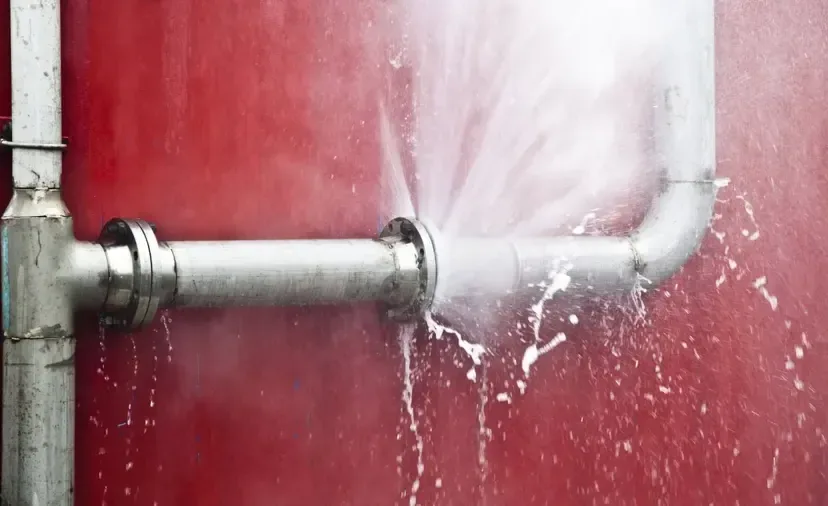
Photos of the stain, the opened ceiling and each reading are saved with notes on the cause. If the water came from a pipe, burst pipe damage covers the wall side, and from a roof, roof leak damage covers the attic side.
Ceiling leak water damage coverage and nearby areas
Ceiling leak work covers houses, apartments and offices across the city, from Bungalow Heaven and Garfield Heights to Hastings Ranch and the commercial blocks of Old Pasadena and South Lake Avenue. The room above is checked for the source.
The same service nearby: ceiling leak water damage in Sun Valley, San Marino, South Pasadena.
Related water damage services in Pasadena
Ceiling Leak Water Damage: common questions
Can a stained ceiling be painted over?
Not until the area is dry. Painting over a wet ceiling traps moisture, and a stain that keeps returning usually means water is still in the insulation or drywall.
Does a bubbled ceiling have to be cut open?
Usually, yes. A bubble is drywall holding water, and it is safer to drain and remove it than to wait for it to sag or collapse.
What if the leak is from the unit upstairs?
The source unit has to be told and the water shut off there. Meanwhile the wet ceiling below is dried and photographed, and the notes help whoever handles the claim for the building.
Is the insulation above a leaking ceiling wet too?
Almost always. Insulation soaks up water and holds it against the drywall, so readings are taken above the ceiling and wet batts are removed or dried.
How long does a ceiling take to dry?
Small areas often dry in a few days, while a room-sized ceiling or one with wet walls takes longer. Daily readings, not a calendar, decide when drying is done.
Can a leaking AC cause a ceiling stain?
Yes. A clogged condensate drain can drip into an attic and stain the ceiling below; see AC and condensate leaks for that case.
Dry the ceiling before it sags
Ceiling leak crews work in Pasadena homes, apartments and shops, tracing the water and drying what it reached.